Samsung Could Use Apple’s Priciest iPhone Yet To Push Galaxy Prices Higher
 Joe Gallop
30 Jun 2026
Joe Gallop
30 Jun 2026
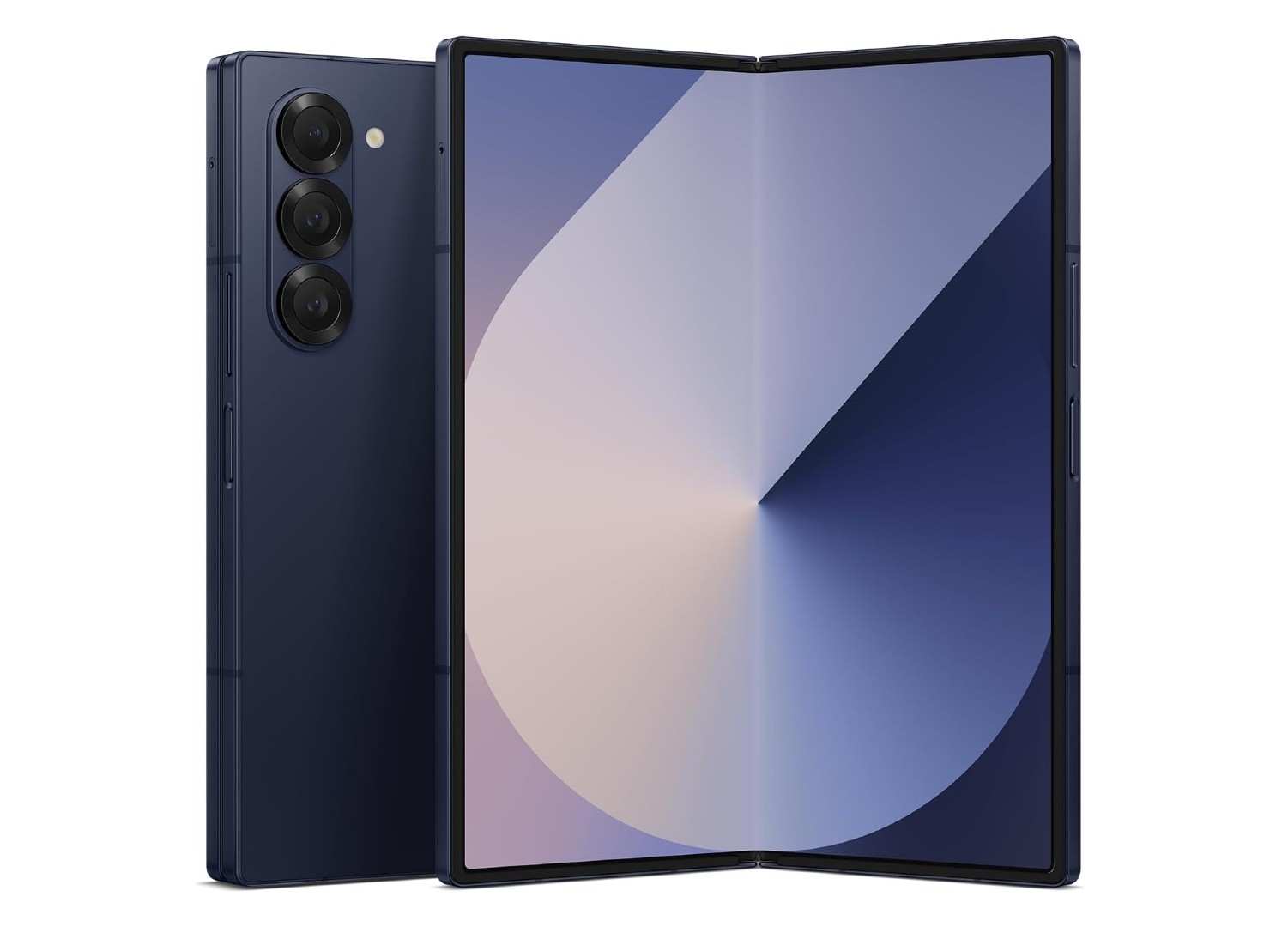
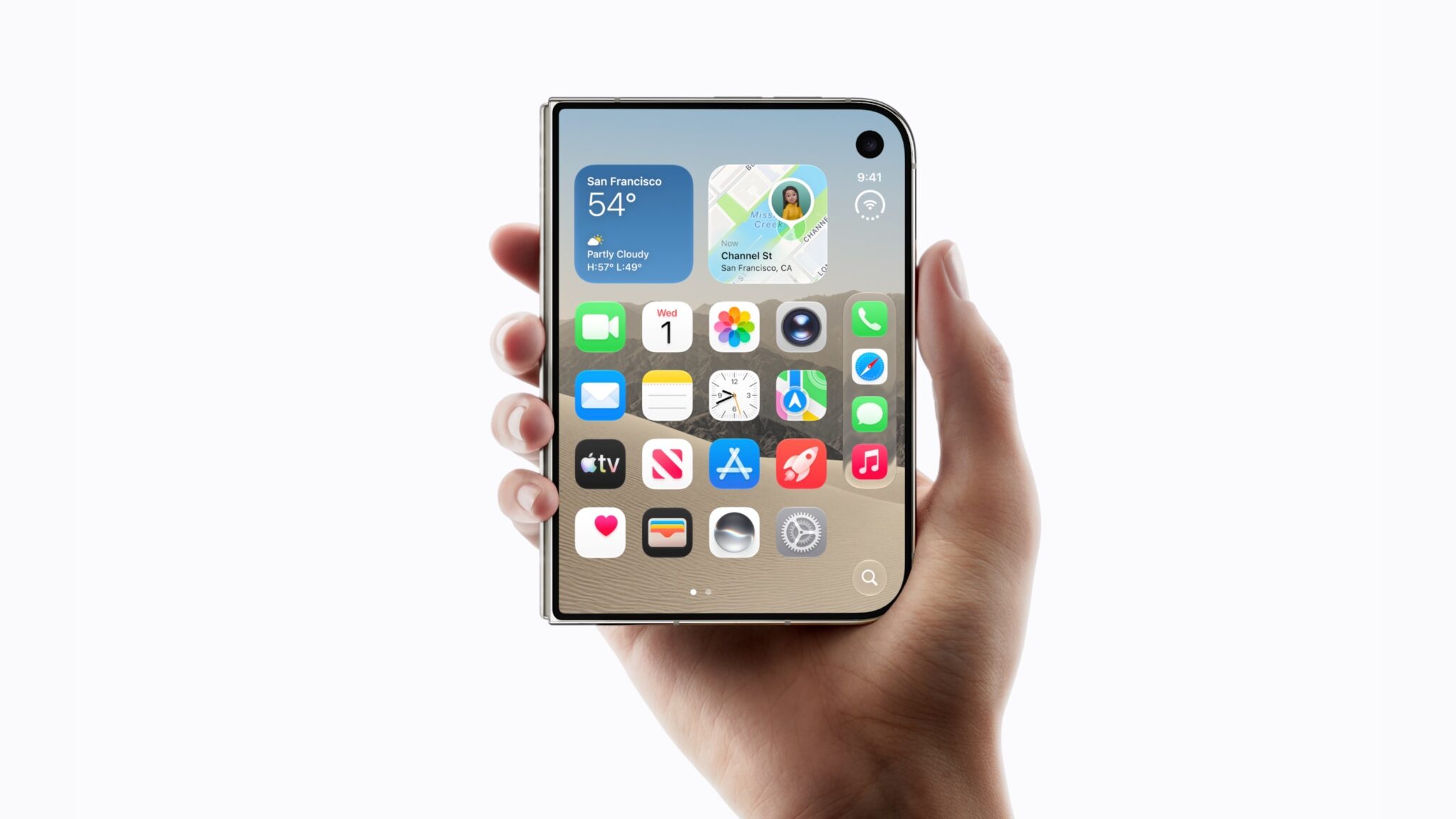
Samsung may get an unlikely boost from Apple’s first foldable iPhone, with analysts tipping the US giant’s most expensive handset yet could give Samsung cover to lift its own Galaxy prices.
Apple is expected to launch its first foldable iPhone in September, with IDC forecasting a price of around US$2,500 (A$3,600), according to The Korea Herald.
That could make Samsung’s upcoming Galaxy Z Fold 8 range look comparatively cheaper, even if Samsung raises prices itself.
IDC senior research director Nabila Popal told The Korea Herald she expects Samsung to increase flagship foldable prices by around US$100 this year, while still remaining “significantly lower” than Apple’s first foldable.

Samsung is expected to unveil its next Galaxy Z Fold range in London in late July, at a time when memory and processor costs are rising sharply across the consumer electronics sector.
The issue has already hit Apple, which has lifted prices on several Mac, iPad, HomePod and Apple TV models after warning that higher component costs were becoming unavoidable.
Samsung has also raised prices on some Galaxy devices this year, including higher-capacity versions of the Galaxy Z Flip 7, Galaxy S25 FE, Galaxy S25 Edge and Galaxy Tab S11 Ultra, according to SamMobile.
The pressure is being driven by soaring demand for memory chips used in AI data centres, which has tightened supply of conventional DRAM and LPDDR memory used in phones, tablets, PCs and gaming consoles.

Samsung may make memory chips itself, but its mobile division is not immune. Its mobile operating profit reportedly fell 35% in the first quarter, despite strong Galaxy S26 sales, as component costs rose faster than device prices.
Analysts say Apple’s entry could create a “price umbrella” over the foldable category. A foldable iPhone priced around A$3,600 could make a Galaxy Fold priced between roughly A$2,600 and A$2,900 appear more reasonable to consumers.
But Apple’s arrival also increases pressure on Samsung’s foldable lead. Motorola has gained ground in the US, while Huawei dominates China, the world’s largest foldable market.
Foldables remain a niche category, accounting for less than 2.5% of the smartphone market, according to IDC.
For Samsung, Apple’s late arrival may help justify higher pricing. The harder challenge will be convincing consumers that foldables are worth paying more for at all.