Apple shares plunge 6.1% as shock price hikes hit Macs, iPads and Multiple Apple products
 David Richards
26 Jun 2026
David Richards
26 Jun 2026

Apple shares have slumped 6.1%, wiping billions of dollars off the company’s market value after the technology giant imposed sweeping price rises across its Mac, iPad, Vision Pro and home device ranges.
Effective immediately, Apple has increased prices on Macs, iPads, Vision Pro and home devices as it battles soaring component costs triggered by an unprecedented global shortage of memory chips and storage.
The higher prices are now live on Apple’s local website, with retailers warning consumers that iPhone price increases are also looming.
Several major retailers have told consumers to buy a new iPhone now or risk paying significantly more when Apple’s next round of pricing changes takes effect.
Apple has so far held off increasing the prices of iPhones, Apple Watch and AirPods in a move widely seen as an attempt to limit further damage to investor confidence.
Despite that decision, Apple shares tumbled 6.1% to close at US$275.15, the company’s biggest one day decline since April 4, 2025.
An Apple spokesperson said “the rapid expansion of AI data centres has created an extraordinary surge in demand for memory and storage” and that the company had “never seen a component price increase this much, this quickly.”
Apple said it had absorbed rising costs for as long as possible but had now reached the point where it had no choice but to pass increases on to consumers.
“We have shielded our customers from these increases so far, but we have now reached a point where we need to begin raising prices on a number of products, including today’s increases for iPad and Mac,” the company said.
The price increases come as Apple prepares one of the biggest shake ups of its Mac processor strategy, with a new generation of artificial intelligence focused chips expected to be unveiled in September.
The company, currently shipping its M5 processor family, is planning to introduce a base M6 chip later this year for entry level Macs, according to Bloomberg.
However, in a major departure from previous launches, Apple is expected to skip higher end M6 variants, according to people familiar with the company’s plans.
The broad based price increases are virtually unprecedented in Apple’s modern history.
While Apple has previously lifted prices on individual products, including the iPhone 17 Pro last year, it has never implemented simultaneous increases across so many product categories.
In March, the company increased prices on the MacBook Air and MacBook Pro alongside hardware upgrades, helping soften the impact of those earlier rises.
“We know this is not welcome news, and we are working tirelessly to find solutions,” Apple said.
Chief executive Tim Cook recently acknowledged the memory shortage was also disrupting supply, with many Mac models facing extended delays.
“We’re not at the point where we’re saying this is going to end anytime soon,” Cook said in April. He warned the supply constraints were likely to continue for “several months.”
John Ternus will inherit the crisis when he succeeds Cook as chief executive on September 1.
The shortage has already delayed several Apple product launches, including an updated Mac Studio.
Cook has previously said the iPhone business has been less affected by memory shortages than Macs, although iPhone production continues to face shortages of its main processors.
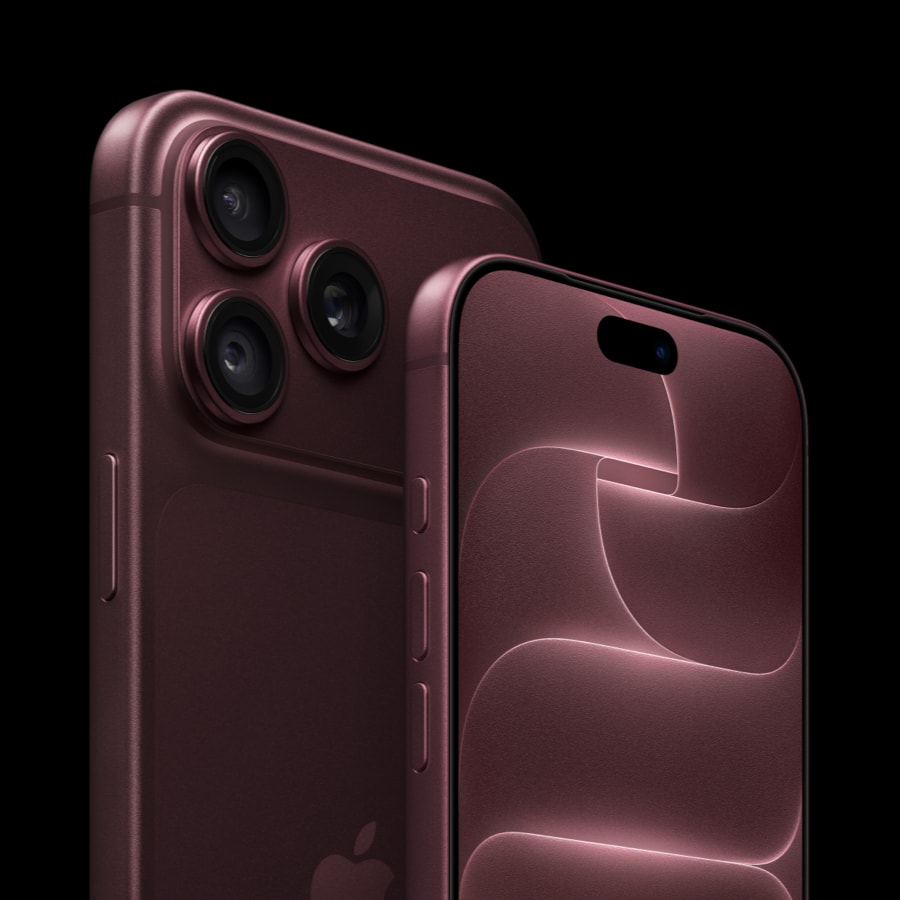
Apple is expected to launch a new iPhone range in September, including its first foldable model, which is tipped to carry a price above US$2,000, alongside the iPhone 18 Pro and iPhone 18 Pro Max, both of which are expected to feature more expensive camera technology.
Bloomberg Intelligence believes further iPhone price increases are inevitable.
“We expect iPhone prices to increase, likely targeting Pro models, where demand is less price sensitive, and a US$100 increase can offset 78% of higher expenses,” the research firm said.