84% Of Companies Caught In Costly ‘Brand Doom Loop’
 Emma Wheaton
14 Aug 2026
Emma Wheaton
14 Aug 2026
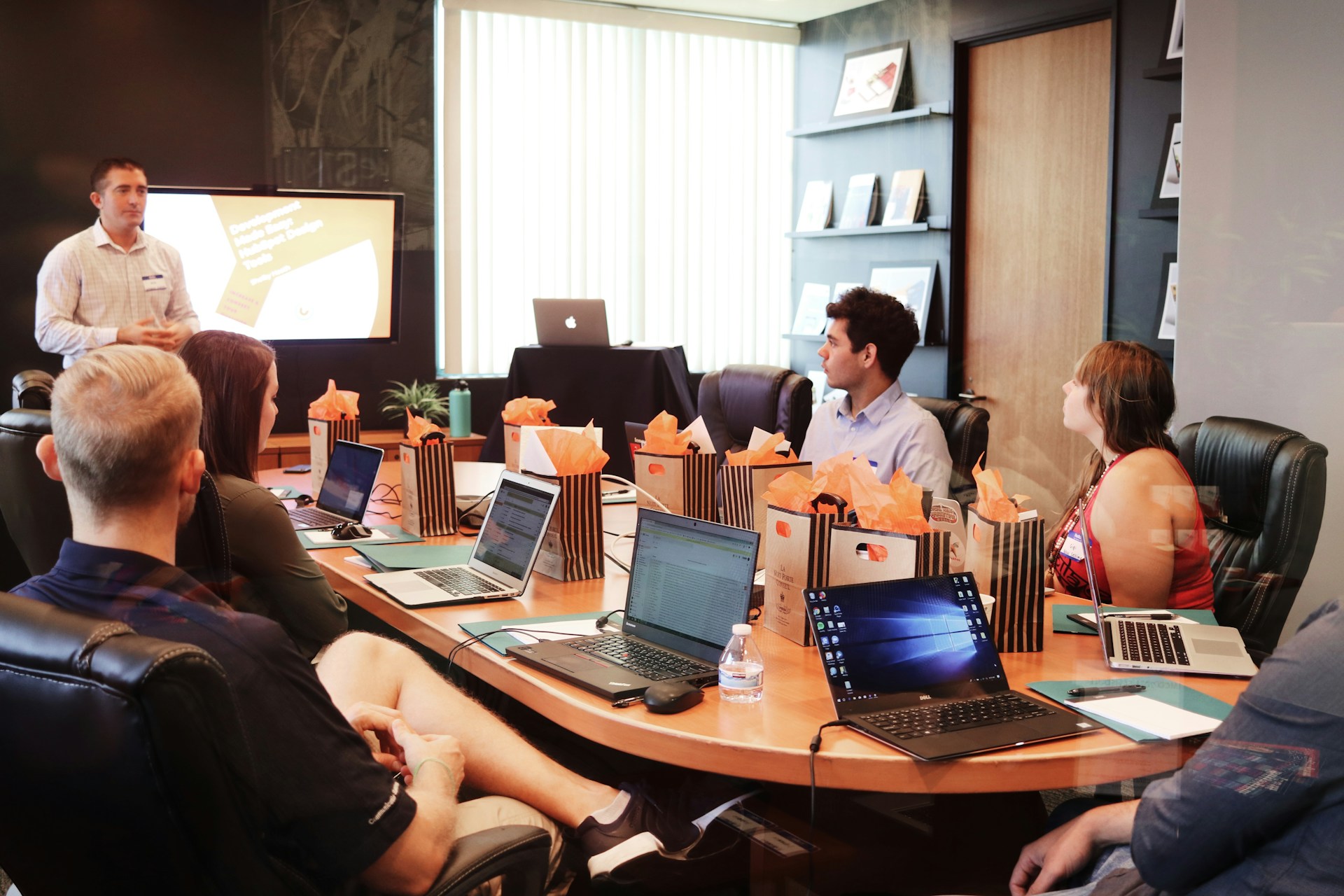
According to new Gartner research, 84% of companies are now caught in a “brand doom loop”, where businesses are increasingly trapped in a cycle of underinvesting in their brands, losing confidence in marketing results and then cutting investment even further.
The survey of 426 senior marketing leaders, conducted between September and October 2025 and released in June 2026, found that companies caught in the cycle were half as likely to exceed their growth targets.
Brand strategist Karen Tiber Leland, president of Sterling Marketing Group and the author of 12 business books, argues that companies are responding to the problem with the wrong solution.
Rather than embarking on another costly rebrand, she says businesses need to “re-up” their brands. What is re-upping? A disciplined process of regularly reassessing whether the brand remains relevant to customers and the market.
“Starting over says the last version was a mistake. Re-upping says it worked and now you’ve outgrown it,” explains Leland. “That distinction sounds small. It isn’t. Confusing the two can cost a company years and, in many cases, hundreds of thousands of dollars.”
Leland argues that most brands do not suddenly fail, they drift, as markets, customers and technology change while the brand continues operating on outdated assumptions.
A re-up goes beyond a new colour palette, a refreshed logo or a reinvigorated visual identity. It involves a reassessment of a brand’s promise, voice, audience and where customers encounter the brand.
It involves a structured realignment of a brand’s purpose.
Leland suggests the diagnosis occur annually, with the response determined by what the business actually needs rather than automatically launching a major rebrand.
If this doesn’t happen, she warns executives can fall into what she calls “drunk marketing”, which is when reactive decisions are made because a competitor has done something, a board member has spotted a trend on LinkedIn, or an idea generates excitement internally. “It feels productive, but it’s reactive, and it’s expensive,” Leland said.

The Gartner research also predicts that more than 80% of companies will make significant changes to their mission, brand or culture by 2028 as they respond to AI’s impact on their markets.
Leland points to her Brand Momentum Model, which assesses businesses across three areas. Are they findable, can customers discover their brand? Are they followable, do customers remain engaged after finding it? And, are they unforgettable, does the brand own a distinctive position competitors cannot easily claim?
Her argument is that most stalled brands are not failing across all three areas, but at least one of them. The priority should be identifying the weak point and addressing it rather than starting again from scratch.
As AI is rapidly becoming part of the customer discovery and purchasing journey, a brand may remain familiar to existing customers while becoming progressively less visible to new customers if it fails to adapt to the way people now search for information and make purchasing decisions.
This is happening in conjunction with a leadership challenge, says Leland, with shorter CMO tenures and elevated CEO turnover leading to repeated strategy changes while markets continue moving.
The message for businesses is that they need to treat their brand as a continually maintained asset rather than a project that gets fixed only when something goes wrong.