Chip Giants Hit With DRAM Price-Fixing Lawsuit As AI Boom Sends Hardware Costs Soaring
 Joe Gallop
30 Jun 2026
Joe Gallop
30 Jun 2026
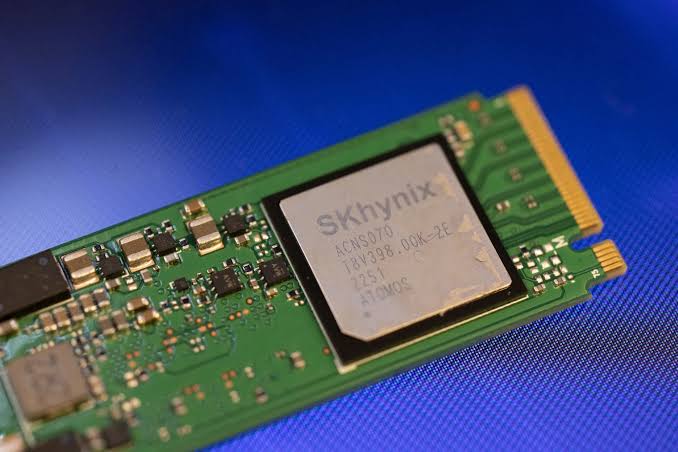
Samsung, SK Hynix and Micron are facing a fresh US class action lawsuit accusing the world’s three biggest memory chip makers of coordinating DRAM supply cuts, as AI demand drives up the cost of consumer electronics.
The lawsuit claims the companies engaged in “concerted anticompetitive behaviour” by restricting conventional DRAM supply while shifting production toward high-bandwidth memory, or HBM, used in AI data centres.
The allegations, which have not been proven, centre on claims that the trio wound down production of older DDR3 and DDR4 memory despite soaring demand, helping push conventional DRAM prices up by around 700% over four years.
The case is being brought by consumers and small businesses, including PC retailers, who argue the alleged supply squeeze has flowed through to higher prices for computers, tablets, gaming hardware and other consumer technology.
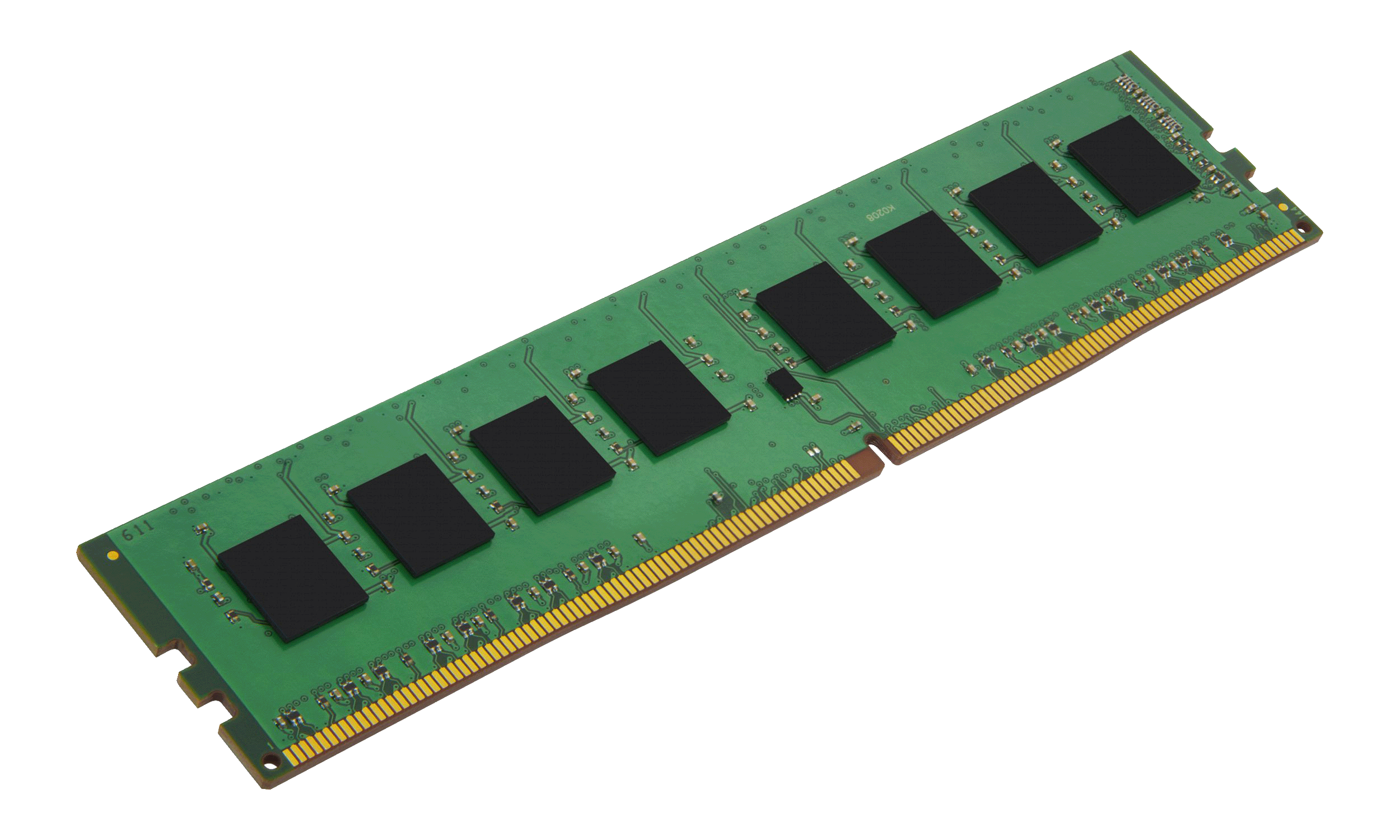
Samsung, SK Hynix and Micron dominate the global DRAM market, making it difficult for new players to quickly enter the sector. The lawsuit points to the enormous cost of building a DRAM fabrication plant, estimated at between US$15 billion and US$20 billion, as one reason the market is difficult to disrupt.
The case comes as memory costs are already putting pressure on major hardware brands. Apple has raised prices on some Mac and iPad models, while Sony, Microsoft, Nintendo and Valve have all lifted prices or warned about higher hardware costs.
Valve recently said its upcoming Steam Machine console would cost more than it wanted, partly because the AI boom had increased pressure on memory and storage components.
Micron has denied the allegations and said it will defend itself. Samsung and SK Hynix have not yet been proven to have breached antitrust laws in the case.
The lawsuit also refers to the DRAM industry’s history of price-fixing cases. Samsung and Hynix previously pleaded guilty in the 2000s to US Department of Justice charges relating to DRAM price fixing.
The lawsuit comes in the same week South Korea announced a $520 billion (A$790 billion) semiconductor investment plan with Samsung and SK Hynix, aimed at expanding memory chip and HBM production.