Reject Shop Brand to Vanish as New Rival to Kmart, Target and Big W Emerges
 Joe Gallop
01 Sep 2025
Joe Gallop
01 Sep 2025

The Reject Shop brand is set to vanish from Australian shopping centres after 44 years, as its new Canadian owner moves to rebrand the discount variety store chain and position it as a serious rival to Kmart, Target and Big W.
Dollarama, which operates more than 1,600 stores in Canada and thousands more across Latin America, completed its $259 million takeover of The Reject Shop in July.
The retail giant has already begun reshaping stores with supermarket-style shelving and phasing in its own product lines.
The strategy will see The Reject Shop’s red-and-yellow branding phased out and replaced with a new format designed to act more like a general merchandise supermarket.
Dollarama says shoppers can expect lower shelf prices, simplified price points and a broader product mix, though it has not confirmed whether its Canadian “nothing over $5” model will be adopted locally.
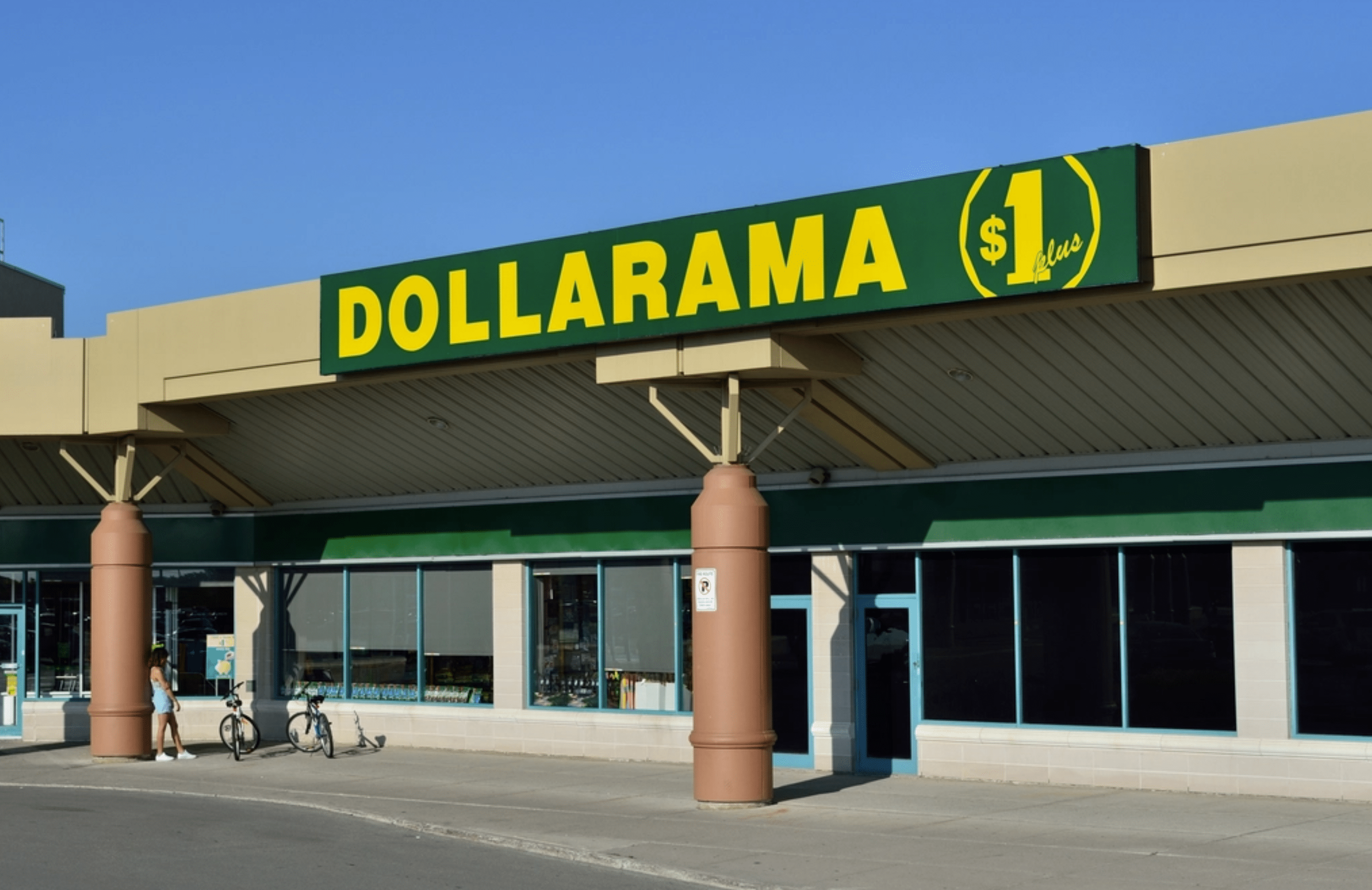
“Once stores contain a critical mass of new products, we intend to bring them under the new banner,” Dollarama CEO Neil Rossy told investors last week. “This will be a gradual process, which will continue through to the end of fiscal 2027.”
The Canadian chain also has major expansion plans. From its current 395 stores, it intends to grow to 700 by 2034, giving it a larger footprint than Big W and challenging Wesfarmers-owned Kmart and Target.
Analysts say the move could reshape the discount retail landscape, adding pressure to Woolworths’ struggling Big W while intensifying the fight for cost-conscious consumers.
Retail experts suggest households will be the short-term winners, with increased competition likely to drive down prices amid the ongoing cost-of-living squeeze. But they warn profitability will be harder to achieve in such a crowded market.
Rossy confirmed the Australian arm will take years to deliver meaningful profits but insisted the long-term potential was strong: “The goal of the transformation roadmap is to optimise the business and set it up for accelerated growth.”
For shoppers, the familiar Reject Shop signage will begin disappearing over the next three years. By the end of the decade, the brand is expected to be gone entirely.