HDMI 2.2 Set To Arrive In 2027, Bringing Double The Bandwidth, Faster Speed
 Emma Wheaton
15 Jul 2026
Emma Wheaton
15 Jul 2026
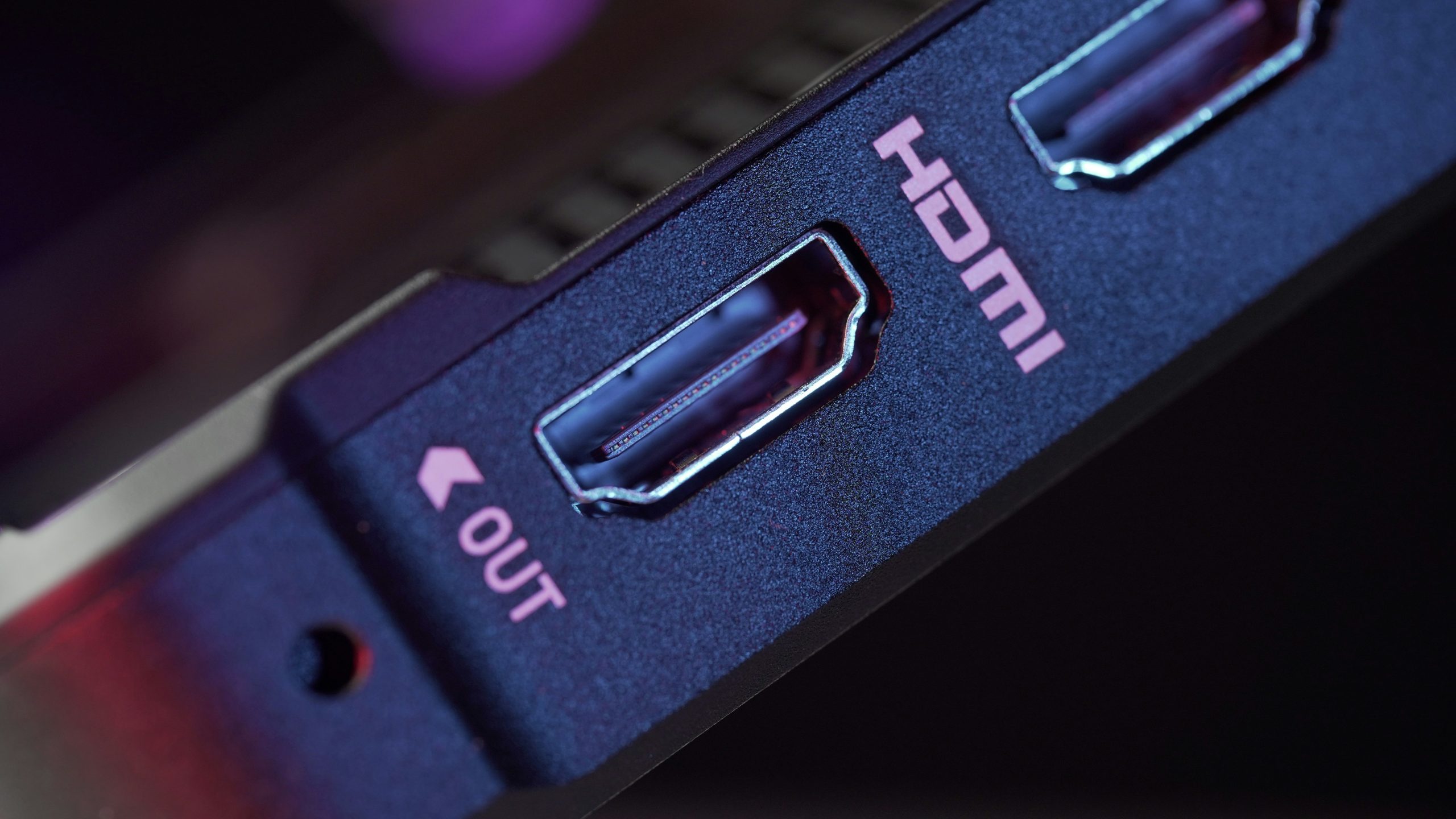
The next generation of HDMI connectivity is on its way, with the first TVs, monitors and AV products expected to adopt HDMI 2.2 in 2027.
The new standard doubles maximum bandwidth from 48Gbps to 96Gbps however the immediate benefits for most consumers are likely to be limited, with HDMI 2.1 continuing to meet the needs of current gaming consoles, streaming devices and Ultra HD content.
HDMI 2.2 introduces support for significantly higher video resolutions and refresh rates, including uncompressed 4K video at up to 240Hz and 8K at 60Hz. It also lays the groundwork for future 10K, 12K and 16K applications as display technology continues to evolve.
Unlike previous HDMI generations, manufacturers will be able to implement one of three certified bandwidth levels: 64Gbps, 80Gbps or the full 96Gbps. This means not every HDMI 2.2-equipped product will deliver identical performance. Industry analysts expect vendors to clearly identify which bandwidth tier is supported as products reach the market.
Another addition is the Latency Indication Protocol (LIP), which is designed to improve audio and video synchronisation in home theatre systems that use AV receivers or soundbars.
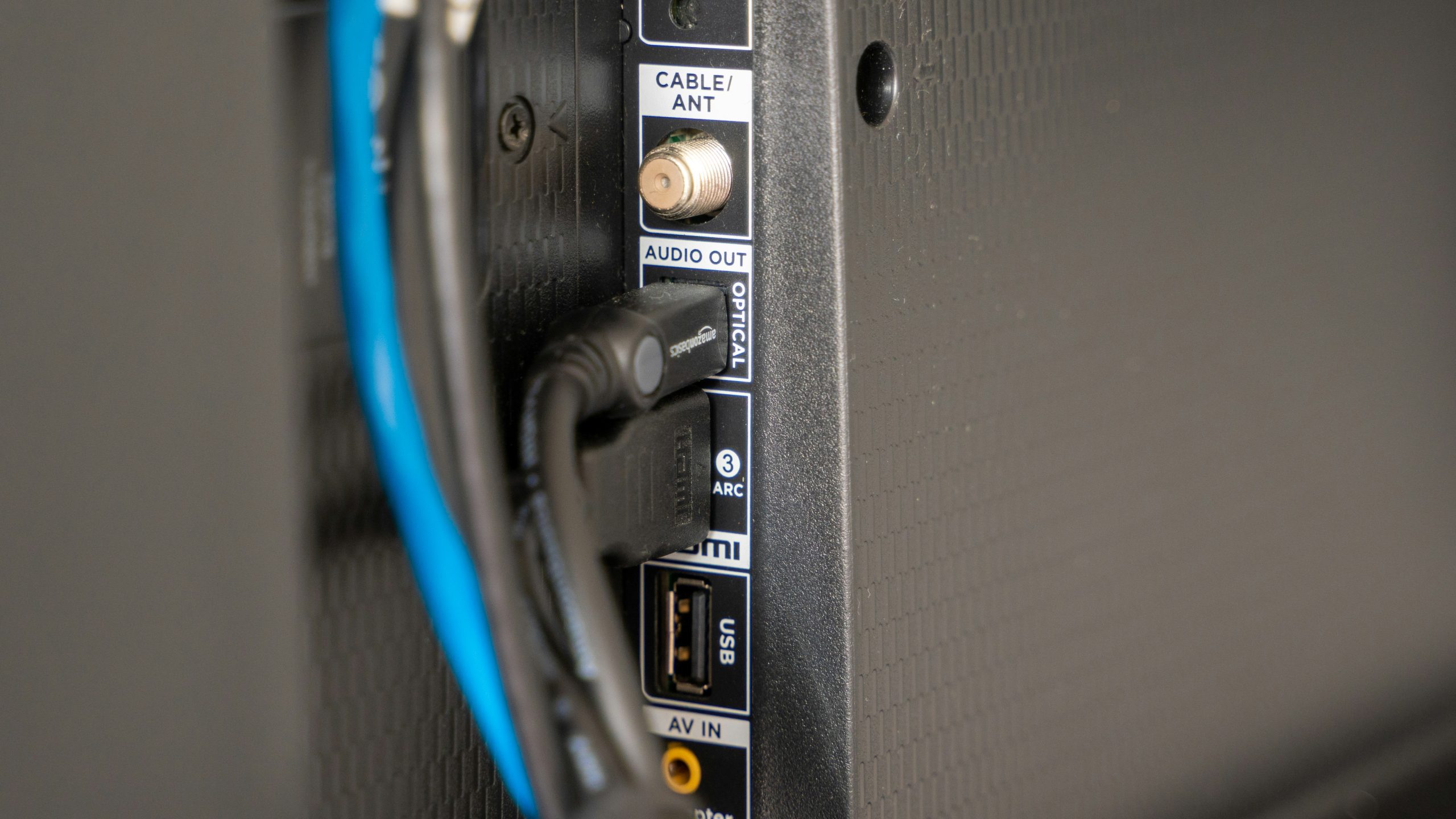
Consumers wanting to access the highest HDMI 2.2 performance levels will require new Ultra96-certified HDMI cables capable of handling the increased bandwidth. Existing Ultra High Speed HDMI cables will continue to work with current devices and many HDMI 2.2 features, but won’t support the specification’s highest data rates.
For TV manufacturers, HDMI 2.2 is expected to become another premium feature alongside Mini LED, OLED and advanced gaming capabilities. However, analysts suggest buyers not delay purchases as they wait for the new standard. Today’s HDMI 2.1-equipped televisions already support a host of features like 4K gaming at up to 120Hz, Variable Refresh Rate (VRR), Auto Low Latency Mode (ALLM) and enhanced Audio Return Channel (eARC).
Industry reports suggest semiconductor vendors are already sampling the chipsets required for HDMI 2.2, paving the way for premium TVs, monitors and AV receivers to begin shipping with the technology next year. Wider adoption across mainstream consumer electronics is expected to take several years, similar to the rollout of HDMI 2.1.