US Reins In Intel, Samsung and SK Hynix’s Chinese Fabs
 Nigel Bowen
01 Sep 2025
Nigel Bowen
01 Sep 2025

The US Commerce Department has revoked exemptions that allowed Intel, Samsung and SK Hynix to import advanced chipmaking tools for use at their Chinese fabs without prior approval.
For several years, these waivers had allowed South Korea’s leading memory chipmakers, Samsung and SK Hynix, to maintain and upgrade equipment at their Chinese facilities, despite Washington’s broader export restrictions on high-end semiconductor technology.
Intel has a presence in China, including assembly and test facilities in Chengdu, but is expected to be less impacted than Samsung and SK Hynix.
Under the new rules, which include a 120-day grace period, Intel, Samsung and SK Hynix can continue operating their existing machinery.
But any new or replacement tools will require case-by-case approval from US regulators.
Contrary to some early reports, the companies’ current licenses are not being cancelled outright.
Instead, the change removes blanket permission, creating a new layer of oversight and uncertainty whenever equipment needs to be replaced or capacity expanded.
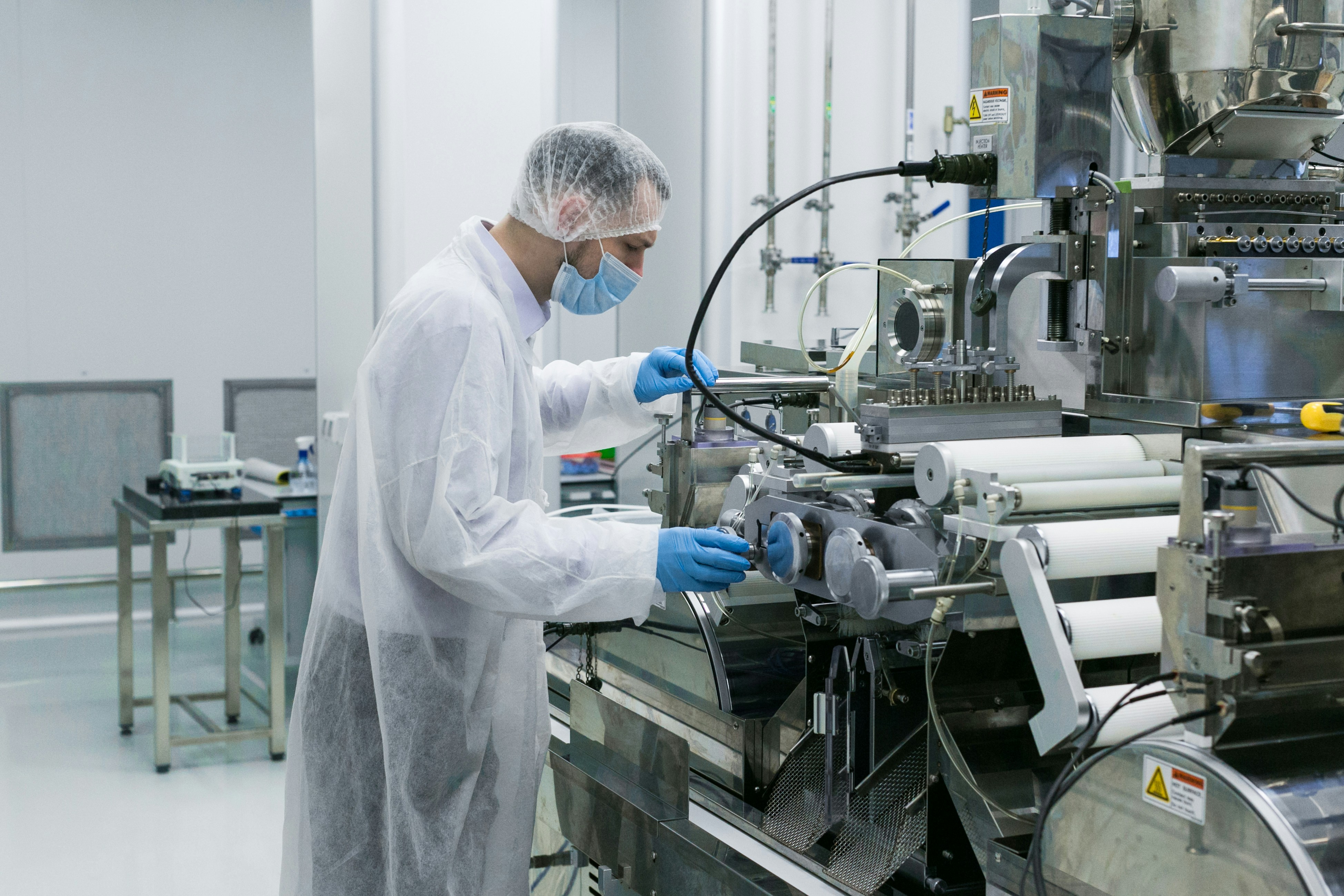
American and South Korean businesses are under government pressure to scale back their Chinese commitments
The waivers had covered advanced wafer-fabrication equipment supplied by American firms such as Applied Materials, Lam Research and KLA.
Their removal means every request for updated gear will depend on Washington’s discretion.
Samsung and SK Hynix still manufacture a large share of global DRAM and NAND memory in China, meaning any disruption at those fabs could ripple through supply chains worldwide.
Analysts warn that the new rules increase the risk of production delays if tools break down and could make it harder for Chinese facilities to remain competitive with fabs in Korea and the US.
The move underscores Washington’s determination to choke off Beijing’s access to advanced manufacturing tools.
It may accelerate strategic investment away from China, encouraging Korean and American fabs to take on a larger share of future global production.