OpenAI Tipped To Launch AI Smart Speaker With Camera
 Joe Gallop
23 Feb 2026
Joe Gallop
23 Feb 2026
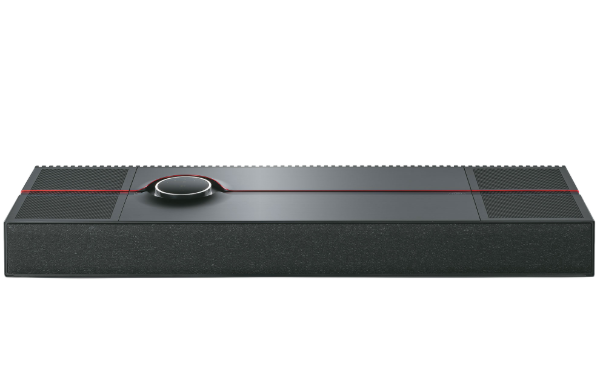
While Apple pushes ahead with AI wearables, OpenAI looks set to enter the hardware market with an AI-powered smart speaker featuring an inbuilt camera, with a launch slated for early 2027 at the earliest.
According to reporting from The Information, the ChatGPT maker has assembled a team of more than 200 staff dedicated to developing a new family of AI devices.
The first device expected to launch is a smart speaker, tipped to retail between US$200 and US$300 (A$300–A$460).
The device is said to include a camera capable of analysing its surroundings, identifying objects on nearby surfaces and interpreting conversations taking place in the room. It will reportedly feature facial recognition similar to Apple’s Face ID, enabling users to authenticate purchases.
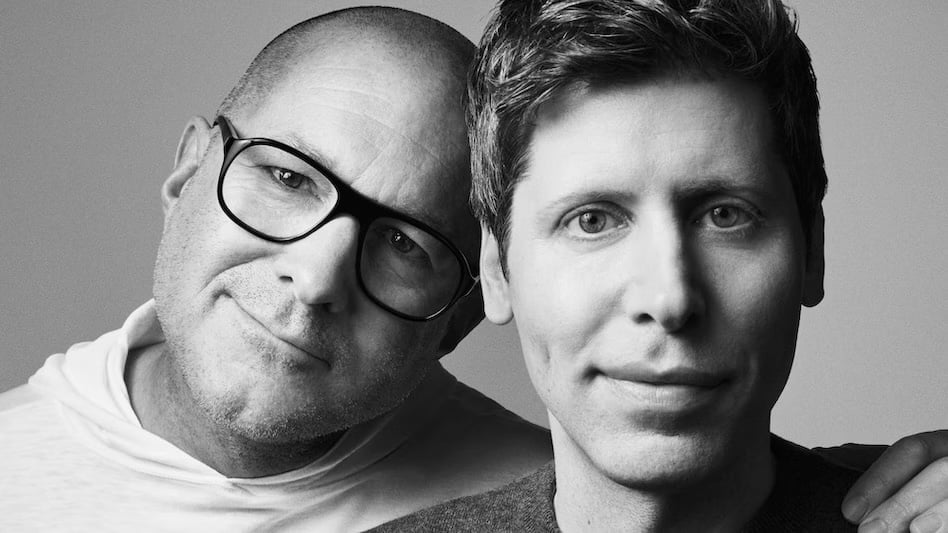
The move marks OpenAI’s most significant step yet into consumer hardware following its US$6.5 billion acquisition of former Apple design chief Sir Jony Ive’s startup, io Products, in 2025.
Ive, widely credited with shaping the design of the iPhone, iMac and other landmark Apple products, is now expected to lead OpenAI’s hardware design efforts.

OpenAI is also believed to be developing AI-powered smart glasses – a category currently led by Meta through its Ray-Ban partnership – as well as a “smart lamp”.
However, reports suggest the glasses may not reach mass production until 2028, while the lamp remains at prototype stage with no confirmed release timeline.
The reported roadmap positions OpenAI alongside rivals including Apple, Google and Meta, all of which are investing heavily in AI-enabled devices that extend generative AI beyond smartphones and PCs.
However, privacy concerns could loom large.
A speaker equipped with a camera and advanced listening capabilities may face scrutiny from regulators and consumers wary of always-on devices in the home.
Technical hurdles and computing power requirements have also reportedly delayed progress.
The timeline follows earlier reports that OpenAI’s separate AI device project with Sir Jony Ive had been delayed into late 2026 due to technical and infrastructure challenges.