Apple’s AI Glasses And Camera Airpods Signal Major Wearable Shake-Up
 Joe Gallop
23 Feb 2026
Joe Gallop
23 Feb 2026
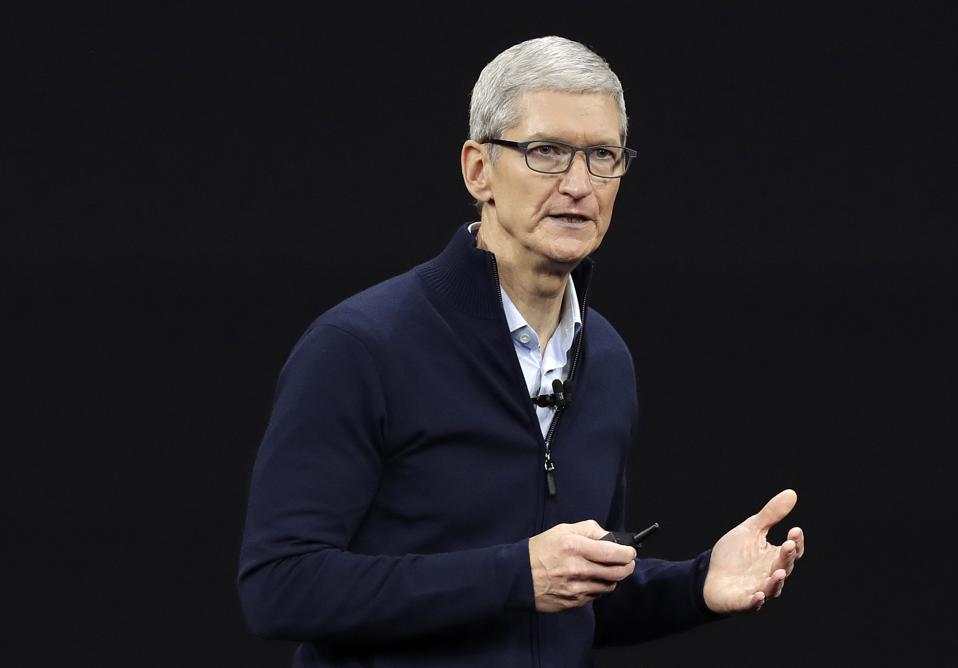
Apple is ramping up development of a new generation of AI-powered wearables, led by premium smart glasses tipped to enter production later this year ahead of a possible 2027 launch.
According to multiple reports, including from Bloomberg, Apple’s glasses have reached an advanced prototype stage.
The standout feature is a dual-camera system, a rarity in consumer eyewear.
One high-resolution lens is expected to handle photos and video, while a second camera is designed for computer vision tasks such as depth sensing and environmental scanning.
The aim is to give Siri visual context, allowing the assistant to interpret what a user is seeing in real time.

Unlike the Vision Pro headset, the glasses are not expected to include a display. Instead, they will rely on integrated speakers, microphones and cameras embedded within the frame.
Users would be able to take calls, listen to music, ask Siri questions, receive navigation guidance and perform context-aware tasks based on their surroundings.
For example, wearers could ask about ingredients in a meal, identify landmarks for directions, translate text on the fly or set reminders triggered by what they are looking at.
Apple is reportedly designing the frames in-house, with a focus on high-end materials and multiple sizes and finishes – positioning the product closer to fashion eyewear than bulky mixed reality headsets.
The move sets up direct competition with Meta’s Ray-Ban smart glasses.
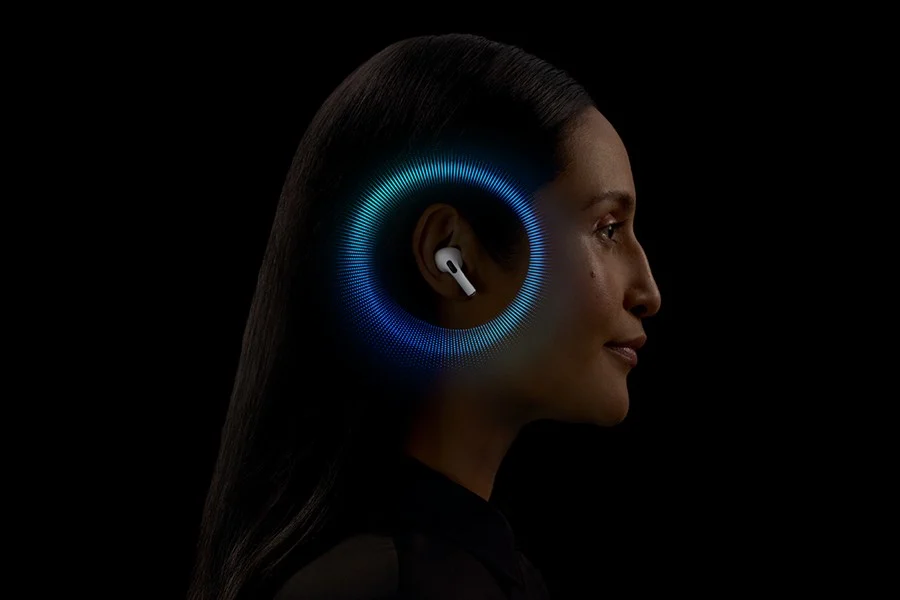
Apple is also said to be developing camera-equipped AirPods, which was first reported last year, as well as a small pendant-style wearable that can be clipped to clothing or worn as a necklace.
Unlike the glasses, which are expected to feature a high-resolution camera alongside a dedicated computer vision lens, both the AirPods and the pendant would reportedly use lower-resolution cameras designed primarily to support AI features rather than capture photos or video.
In the case of the AirPods, the cameras would give Siri greater spatial awareness, helping the assistant understand the wearer’s surroundings in real time.
That could enable features such as object recognition, contextual queries, navigation prompts or live language translation. Most of the heavy AI processing would still be handled by the iPhone.
The pendant, roughly AirTag-sized, would serve a similar role. Worn on a necklace or clipped to clothing, it would function as an always-on visual and audio sensor, feeding environmental data back to the iPhone to power more responsive, context-aware Siri interactions.