Meta Cuts Metaverse Jobs As It Doubles AI Glasses Output
 Joe Gallop
14 Jan 2026
Joe Gallop
14 Jan 2026
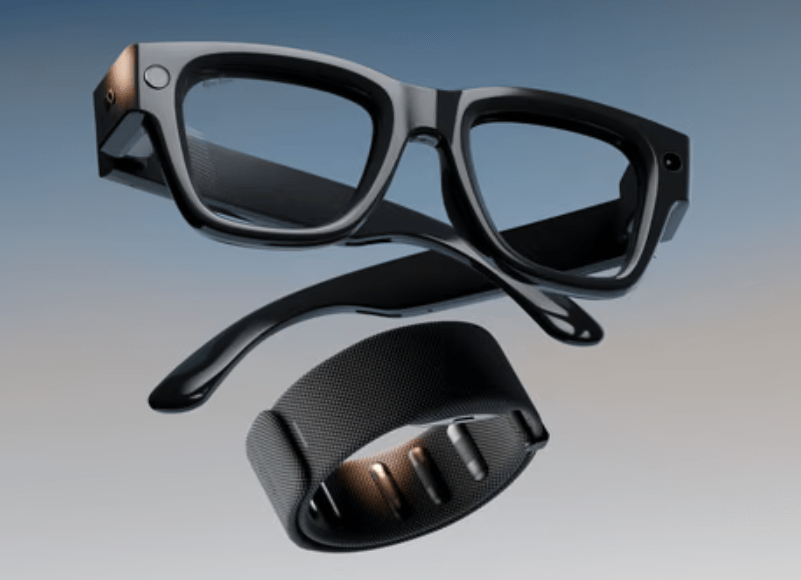
Meta is slashing hundreds of jobs from its metaverse and virtual reality division while also ramping up production of its AI-powered Ray-Ban smart glasses.
The move suggests a sharp strategic pivot away from immersive VR and toward wearable AI devices.
The company’s Reality Labs unit, which employs about 15,000 people, is set to lose roughly 10% of its workforce – more than 1,000 roles – with the cuts concentrated on teams working on VR and metaverse products.
Staff began being notified this week after chief technology officer Andrew Bosworth told employees the business needed to become “leaner” and more sustainable.
Reality Labs has burned more than US$70 billion (A$105 billion) since 2021 and the metaverse has failed to catch on at the scale Meta chief executive Mark Zuckerberg once predicted.
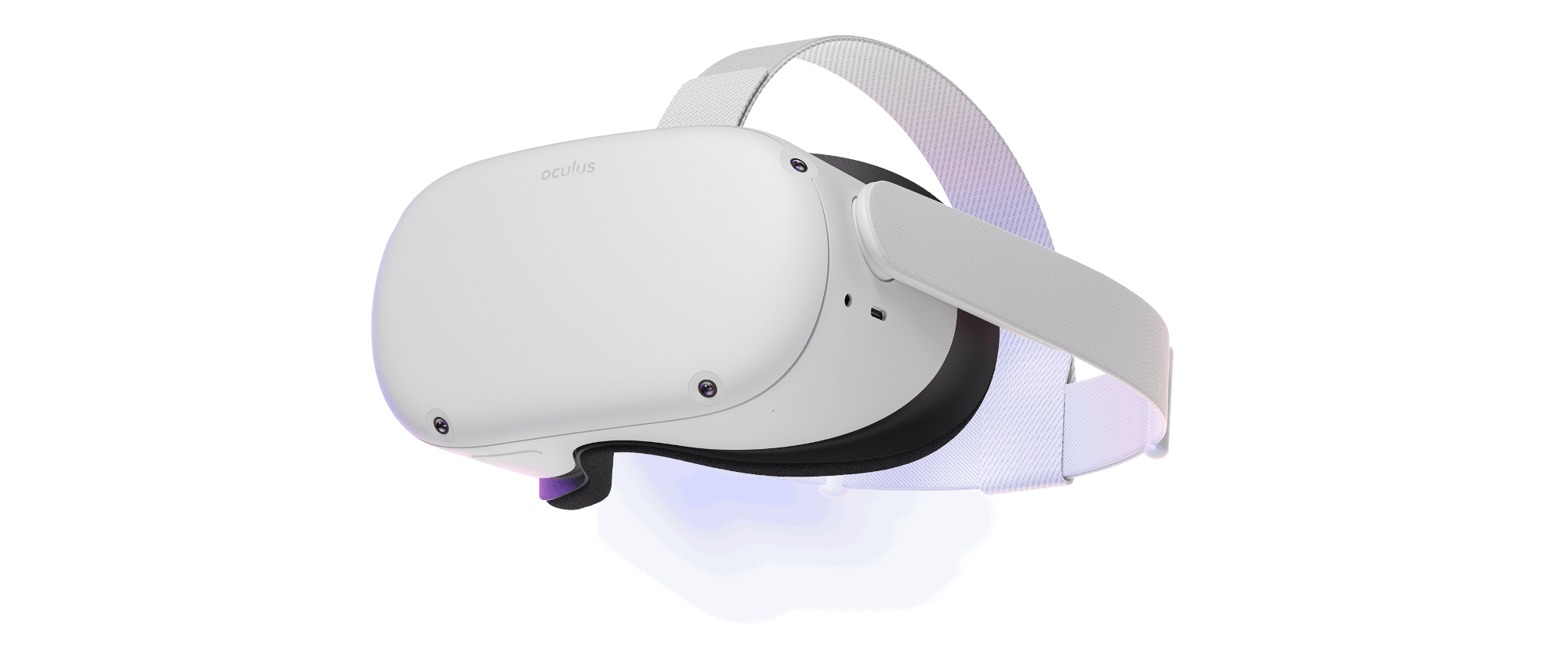
Internally, Meta has also discussed budget cuts of up to 30% for the metaverse group, while several in-house VR game studios are being shut down.
At the same time, Meta is accelerating investment in smart glasses and AI wearables.
According to people familiar with the talks, Meta and manufacturing partner EssilorLuxottica are discussing doubling production capacity for Ray-Ban Meta smart glasses, lifting annual output to around 20 million units by the end of 2026 and potentially more than 30 million if demand continues to surge.
The move follows strong sales momentum for the latest Ray-Ban Meta models, including a US$799 version with a built-in display.
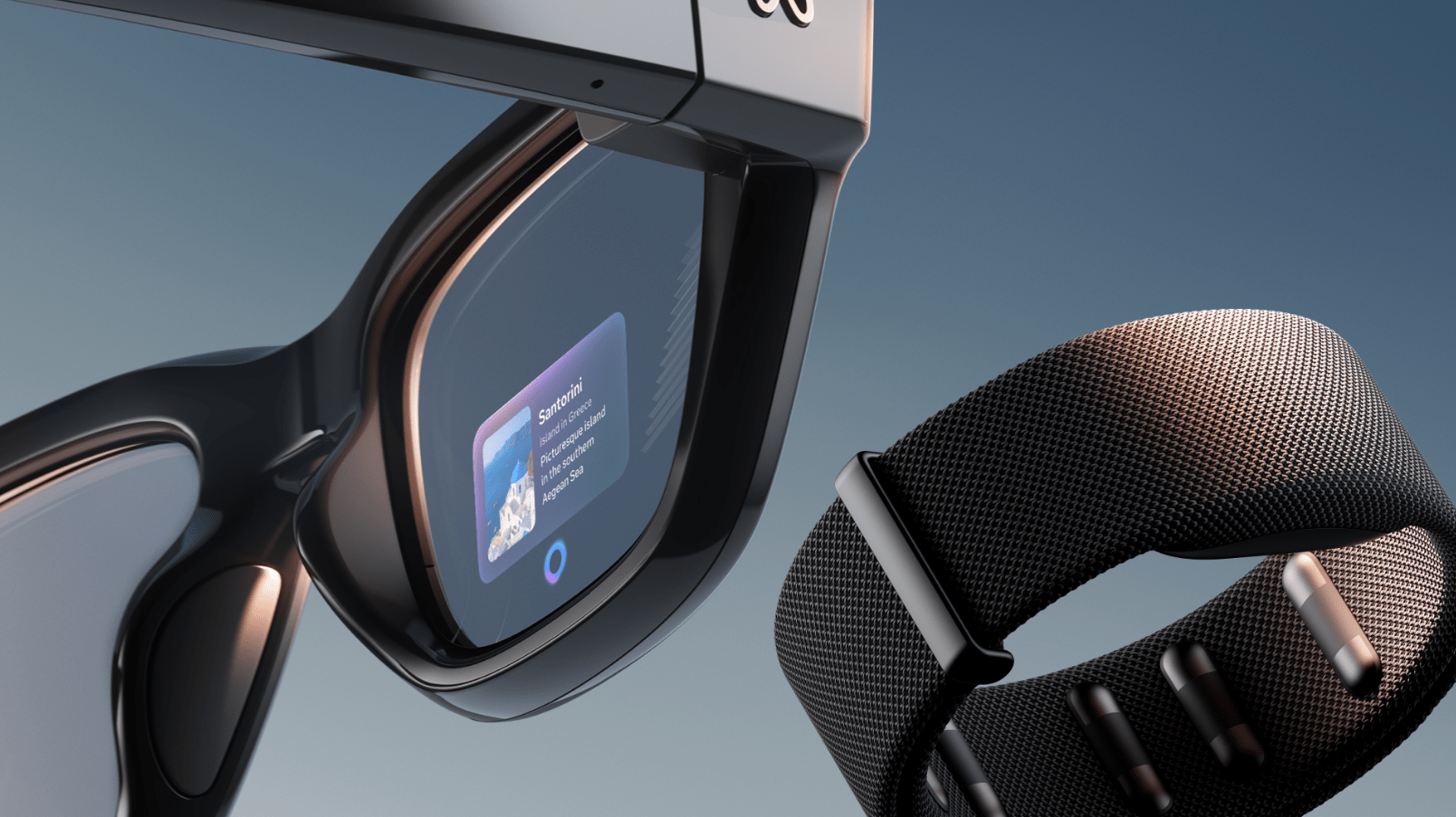
Meta recently paused expansion of the new glasses into markets including the UK and parts of Europe, citing “unprecedented demand and limited inventory”.
The contrast is stark. While Meta is cutting deep into its metaverse workforce, it is pouring resources into hardware it can control end-to-end as a new way to distribute its AI services, reducing reliance on smartphones made by rivals.
In a statement to staff, Bosworth said Meta would continue to invest in VR, but “less aggressively”, with a greater focus on mobile experiences and wearables.
“We said last month that we were shifting some of our investment from metaverse toward wearables,” a company spokesperson said.