OPINION: When Telstra’s Network Died, They Sent An Accountant Who Specialises In Saving Money
 David Richards
09 Jul 2026
David Richards
09 Jul 2026
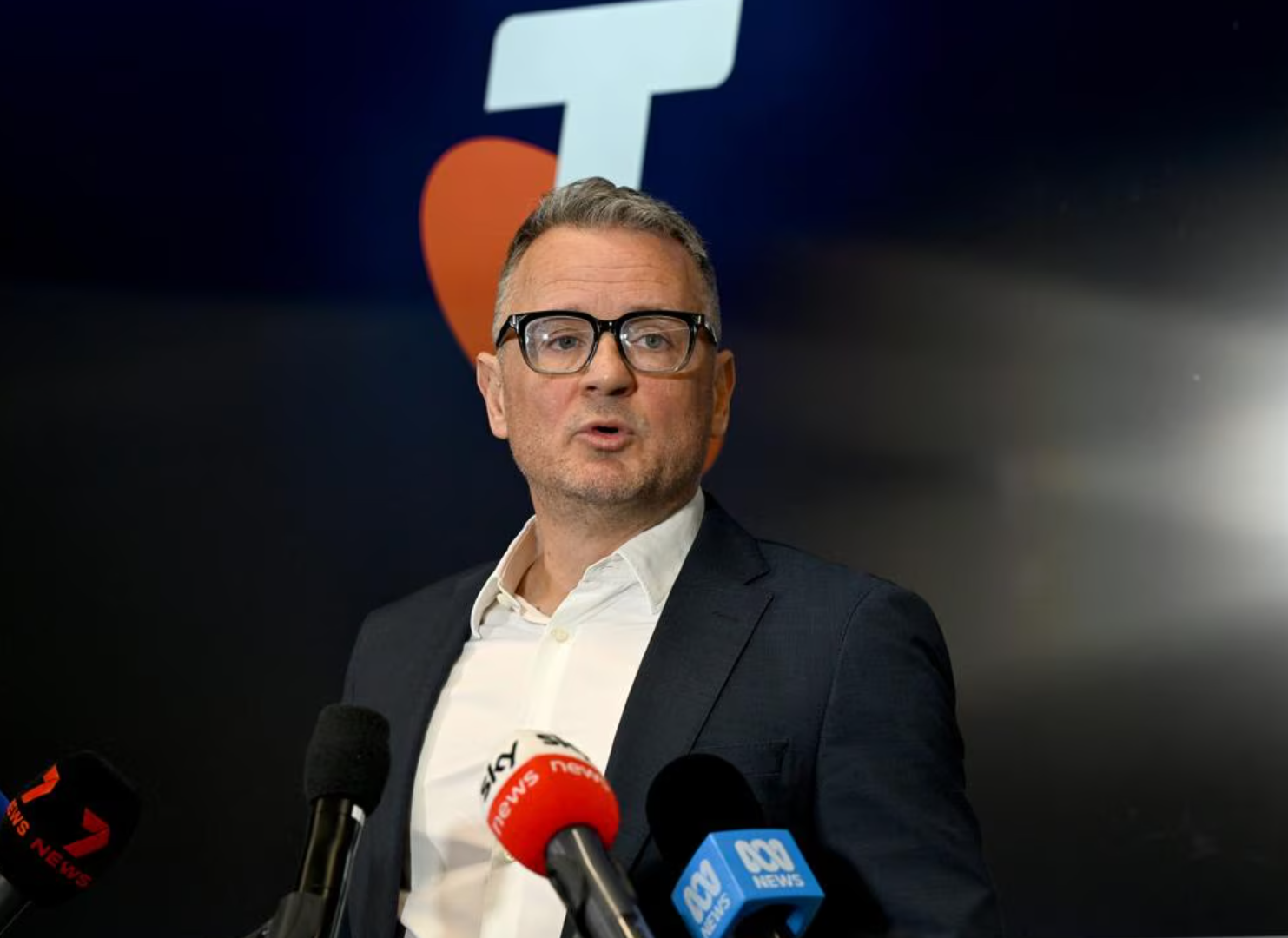
When Telstra’s network collapsed on Wednesday it was not the Company’s chief technology officer who fronted the media, and it was not the chief executive either.
It was Michael Ackland, the telco’s chief financial officer, polished, media trained, and sticking faithfully to a rehearsed script prepared for exactly the scenario Telstra swore could never happen to them: an Optus-style national meltdown, this time on Australia’s biggest and most expensive network.
Acland is well known in consumer circles having run a part of their business where sales strategies cost the business millions.
Missing in action was CEO Vicki Brady, overseas on a family holiday as the network she runs stopped connecting emergency calls.
Ackland, a former Boston Consulting Group principal now serving as acting chief executive, was left to explain a crisis the Company admits it still does not fully understand, while carrying his own baggage from a consumer division tenure that cost Telstra tens of millions in Federal Court penalties.
Ackland told reporters the outage, which began around 4.30am and was not fully resolved until 4pm, stemmed from a time-synchronisation failure across several network nodes, later traced to a software defect that caused a GPS timing server to reset, with servers failing to update in two Telstra-owned data centres in Melbourne and Sydney. “We don’t know why yet,” he conceded, while assuring the public there was no malicious activity involved.
Asked whether the outage might be connected to Telstra’s rolling redundancy program, 2,800 roles cut since 2024 under its AI and cost-reduction agenda, a further 550 in 2025, and more roles understood to be at risk this year as operational functions shift offshore, Ackland went into protection mode, saying he knew of nothing linking the fault to any change in staffing or expertise.
Of course not, and that answer will not satisfy everyone.
Unions have argued for two years that Telstra’s continuous restructuring is hollowing out the local engineering depth that once made its network the envy of the region.
When the network fails at national scale, in the same week regional trains are being controlled over Telstra 4G links, the absence of a senior network engineer at the podium, and the presence of a career strategy and finance executive, is a choice that invites scrutiny, because the problem was 100 per cent a technology failure.
The Origin Retreat
While Ackland was working the podium, Telstra’s marketing operation was frantically retreating from prime time.
The Company pulled its advertising and on-field sponsorship from Nine’s State of Origin decider rather than run brand messaging on the same night its own network was on fire, with media agency OMD yanking the placements at short notice and Kia swooping in to fill the vacated slots in front of a national reach of more than six million viewers.
For a major Nine advertiser and NRL sponsor, walking away from the biggest television night of the year tells you everything about how bad Wednesday was inside Telstra headquarters.
On Thursday Ackland promised Australians a full investigation into the root cause of the glitch that downed the Company’s network across the country, flagging that Brady had changed her flights and would be back in Australia early Friday morning, after Opposition Leader Angus Taylor publicly called on her to return.
Telstra shares fell 2.3 per cent to $4.96.
Ackland confirmed that 333 calls to triple zero failed or dropped out during the outage, triggering welfare checks. By Thursday afternoon Telstra had completed 639 welfare checks in total, with 79 people who could not be contacted referred to police for physical checks, and seven people confirmed as needing emergency assistance. A secondary fault affecting triple zero calls emerged on Wednesday night and was still being stamped out on Thursday.
The Man Behind The Microphone
Ackland’s résumé is commercial to its core. Eight years at Boston Consulting Group, twelve at General Electric across financial services and healthcare, finishing as CEO of GE Healthcare Australia and New Zealand, before moving to Telstra in 2016. He rose through Telstra Country Wide, where he oversaw more than 350 retail stores, to Executive of Sales and Service, then Group Executive Consumer & Small Business from 2018, before being handed the CFO chair in September 2022 when Vicki Brady stepped up to CEO.
It is the consumer-facing chapter of that career that critics keep returning to.
It was on the Consumer & Small Business watch that the ACCC pursued Telstra over conduct the Federal Court would ultimately punish with a $50 million penalty, at the time the second-highest ever imposed under Australian Consumer Law. Between 2016 and 2018, staff at five licensed Telstra-branded stores in the Northern Territory, South Australia and Western Australia signed up 108 Indigenous consumers, many speaking English as a second or third language, many reliant on Centrelink, to multiple post-paid contracts they did not understand and could not afford. Sales staff manipulated credit assessments and misrepresented products as free. Debts averaged more than $7,400 per person, with one exceeding $19,000. The court noted Telstra’s senior management became increasingly aware of the improper practices over time through the Company’s own credit risk reporting.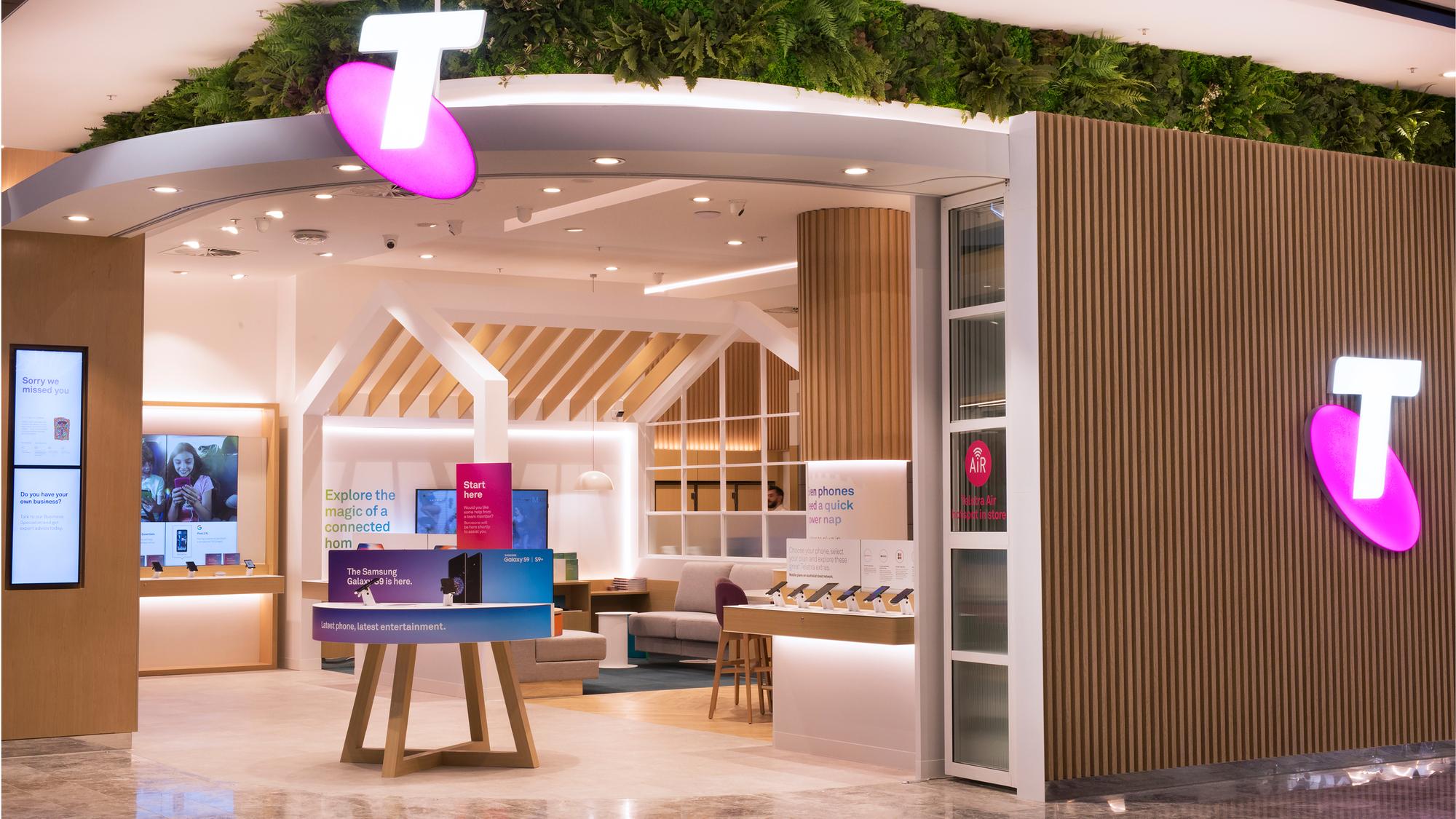
In February 2021, with the ACCC proceedings live and the licensee model reputationally radioactive, Telstra announced it would move its entire branded retail network to full corporate ownership, ending its 26-year relationship with its largest licensee, Vita Group. By November 2021 the deal was done, $110 million for Vita’s 104 Telstra stores and its Sprout accessories business, all executed within the consumer division Ackland then ran.
Sprout: The Deal That Keeps On Costing
The Sprout acquisition has aged poorly. The house brand, marketed as Australian-designed and manufactured in China, was pushed hard at point of sale at the expense of established third-party accessory brands, and consumers have not rewarded the strategy. Store staff in Queensland and NSW have openly told researchers that known brands outperform Sprout, while thousands of customers across Reddit and Whirlpool have documented being sold Sprout cases, chargers and speakers represented as free gifts or included in the plan, only to find $5 to $20 monthly repayment charges buried in their bills. The brand is now widely dismissed in consumer forums as overpriced e-waste, a reputation earned less by the products than by the sales conduct surrounding them.
There is an uncomfortable rhyme here. The behaviour that poisoned Sprout, pressure selling, free products that were not free, charges customers did not understand, is precisely the pattern of conduct that cost Telstra $50 million and its dignity in the Federal Court. The stores changed ownership. The sales culture, on the evidence of the customer record, has proven harder to buy back.
The Bigger Question
None of this makes Wednesday’s outage Michael Ackland’s fault.

AI Now taking over at Telstra
Time-synchronisation failures are deep network engineering problems, and the root-cause investigation is ongoing. Telstra says it is confident a software defect has been identified and isolated.
But the outage lands on a company that has spent a decade optimising for cost, plan simplification, headcount reduction, offshoring, AI substitution, house-brand margin capture, while the engineering franchise that justified its price premium quietly erodes. When Optus suffered its own catastrophic outage, the lesson the industry drew was that networks fail where investment and expertise thin out.
The precedents are grim.
A Victorian man died after emergency calls were delayed during his cardiac arrest in Telstra’s March 2024 triple zero incident, which drew a $3 million penalty from the Australian Communications and Media Authority for 473 breaches of emergency call rules.
This week, 333 more triple zero calls did not get through. The regulator has already launched an investigation into Wednesday’s failure, and the stakes have changed: the federal government last year lifted the maximum fine for telcos that breach triple zero rules to $30 million, while Communications Minister Anika Wells used the outage to brand telecommunications the least trusted industry in the country.
At some point, the market and the regulator will ask whether a business run by strategists and consultants, however capable, is structurally under-weighting the unglamorous engineering spend that keeps trains moving and emergency calls connecting.
Telstra customers did not need to restart their handsets on Wednesday.
They needed a network that does not fall over. Those are built by engineers, not spreadsheets and financial strategists whose job it is to cut costs at a network that Elan Musk and Starlink could make obsolete one day.