End Of An Era At Xbox As Phil Spencer Retires And Leadership Team Reshaped
 April Ossington
23 Feb 2026
April Ossington
23 Feb 2026
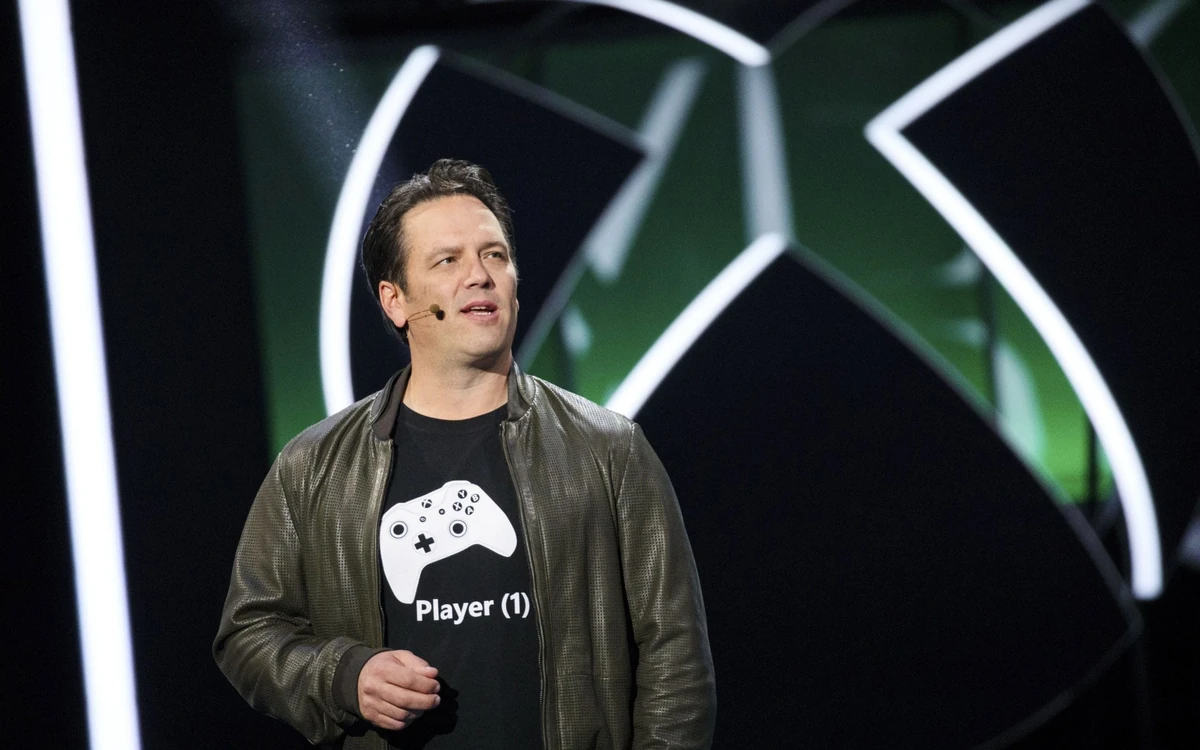
Microsoft’s gaming division is entering a new phase following the retirement of long-time Xbox leader Phil Spencer and the departure of Xbox president Sarah Bond, marking one of the most significant leadership transitions in the brand’s history.
Spencer, who has spent 38 years at Microsoft, will step down as Executive Vice President and Chief Executive of Microsoft Gaming. He will remain in an advisory capacity for several months to assist with the transition. Asha Sharma, previously President of Microsoft’s CoreAI Product unit, has been appointed to lead Microsoft Gaming with immediate effect.
In an email to staff, Spencer explained that he had informed Microsoft chief executive Satya Nadella last autumn of his intention to begin the next chapter of his life. He said the leadership change had been carefully planned to ensure continuity and stability within the division. Spencer described Xbox as more than a commercial operation, referring to it as a community of players and creators that requires thoughtful stewardship.
Nadella praised Spencer’s contribution, noting his commitment to both creative teams and the broader gaming audience. Spencer has been widely credited with transforming Microsoft’s gaming business into a global force, though the division has faced mounting challenges in recent years.
Under Spencer’s leadership, Microsoft completed a series of headline-grabbing acquisitions that reshaped the competitive landscape. In 2014, the company acquired Mojang, the Swedish studio behind Minecraft, for approximately A$3.8 billion. The franchise continued to grow in popularity following the purchase. In 2022, Microsoft agreed to acquire Activision Blizzard in an all-cash deal valued at about A$115 billion, adding major titles such as Call of Duty, World of Warcraft and Candy Crush to its portfolio. The transaction was finalised in October 2023.
Spencer also oversaw a strategic shift away from a hardware-first approach towards a broader ecosystem spanning consoles, PC and cloud gaming. Game Pass, Microsoft’s subscription service, became central to that strategy, reflecting an effort to unify the Xbox brand across multiple platforms rather than focus solely on console sales.
Despite these expansions, the gaming division has struggled to maintain momentum. In its most recent earnings report, Microsoft disclosed that quarterly gaming revenue declined 9 per cent. Hardware sales were particularly weak, with Xbox console revenue falling 32 per cent year-on-year. Competition from Sony’s PlayStation and Nintendo’s widely adopted Switch platform has intensified, while smaller and lower-cost gaming systems have added further pressure. The company also implemented job cuts in 2025 as part of wider workforce reductions affecting more than 15,000 employees.

Sarah Bond, who joined Xbox in 2017 and became president in 2023, is also leaving the company. Bond had played a visible role during Microsoft’s pursuit of Activision Blizzard and was often regarded internally as a potential successor to Spencer. Her exit represents another major change at a time when the division is recalibrating its direction.
As part of the restructuring, Xbox Game Studios head Matt Booty will take on the role of Executive Vice President and Chief Content Officer, continuing to oversee the company’s expanding slate of development studios while reporting to Sharma.
Sharma’s appointment has attracted particular attention because of her background in artificial intelligence rather than traditional game publishing. Having led Microsoft’s CoreAI product initiatives, she has been closely involved in the company’s broader AI strategy. Her elevation suggests that advanced technologies could play a larger role in shaping Xbox’s future offerings.
The incoming leadership team inherits a gaming operation that is significantly larger than it was a decade ago, yet burdened by rising development costs and heightened expectations from its parent company. With a portfolio that now includes some of the industry’s most recognisable franchises, Microsoft Gaming faces the dual challenge of delivering commercial growth while maintaining creative credibility.
Spencer’s tenure began in 1988 when he joined Microsoft as an intern. He rose through the ranks to become general manager of Microsoft Studios in 2003 and was appointed head of Xbox in 2014 following a difficult period surrounding the launch of the Xbox One. Over the past 12 years, he became known for direct engagement with players and a willingness to revive legacy franchises while expanding the brand’s reach.
The reshaped leadership structure signals a pivotal moment for Xbox. Whether the new team can stabilise revenue, strengthen hardware performance and compete effectively in a rapidly evolving market will determine the next chapter for one of gaming’s most recognisable brands.