EXCLUSIVE: Questions grow over Apple’s emergency response iPhones and ACMA’s smartphone certification enforcement
 David Richards
12 Oct 2025
David Richards
12 Oct 2025

Three weeks after the catastrophic Optus outage that left Australians unable to reach Triple Zero — a failure linked to several deaths — new questions are being raised about the reliability of Apple’s iPhones in emergency situations and the claimed failure by ACMA to police certification of smartphones sold in Australia.
Industry insiders have told ChannelNews that many smartphones sold in Australia — particularly through overseas online stores — are not certified to operate on local networks, raising concerns about their ability to switch carriers or transmit location data in an emergency.
In South Korea, Apple is already under fire for the emergency response performance of its iPhones, sparking safety concerns for the nation’s 10 million iPhone users.
According to official meeting records, Apple repeatedly refused requests from Korean authorities to expand emergency location sharing to align with domestic standards, citing privacy and global policy restrictions.
A report by The Korea Herald revealed that, unlike Android devices — which transmit location data via cell towers, GPS, and Wi-Fi, iPhones rely on Apple’s proprietary “HELO” (Hybridized Emergency Location) system.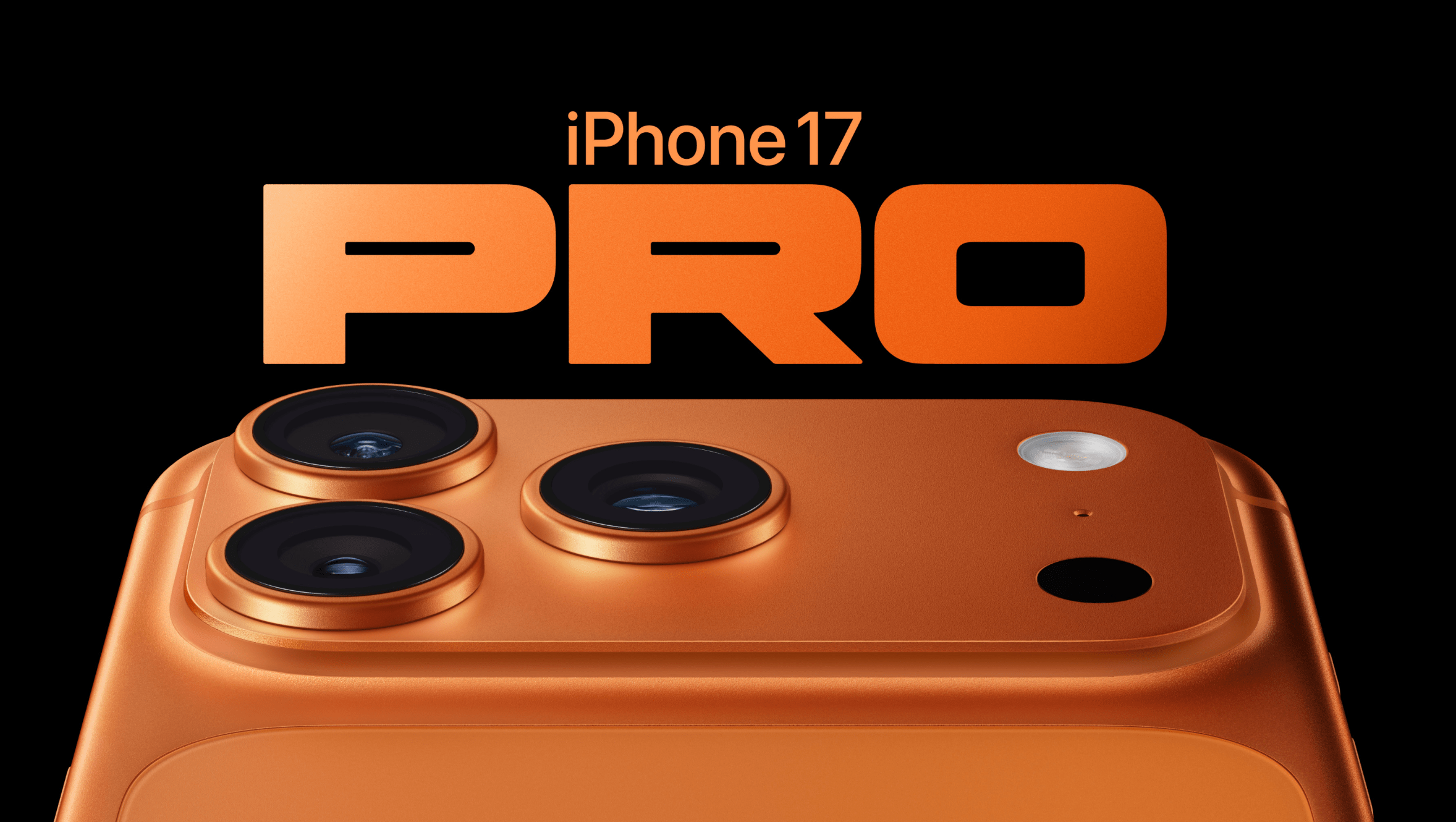
While designed for accuracy, the system reportedly takes significantly longer to process and deliver location data during emergencies.
Tests conducted by the Korea Communications Commission (KCC) in 2024 found that Samsung’s Galaxy S24 Ultra transmitted location data within 1.4 to 2.4 seconds, achieving pinpoint accuracy of 13–25 meters.
In comparison, iPhones took roughly 20 seconds to respond, with location data transmitted only via GPS and Wi-Fi within five minutes of the call.
Apple defended the delay, saying the HELO system prioritises accuracy over speed and limits data sharing to five minutes post-call to mitigate risks such as hacking and battery drain.
Trey Forgety, Apple’s Head of Emergency Systems Strategy, said the system provides “highly accurate location data derived from multiple positioning technologies.” He also pointed to Apple’s global privacy policies as the reason for not enabling real-time data sharing with third-party responders such as police and emergency services.
The issue gained renewed attention after a fatal stabbing in Seoul on September 3, where three people were killed. Police reportedly arrived about 20 minutes after the initial emergency call, unable to determine the caller’s precise location — who, according to officials, had used an iPhone.
In Australia, questions are now being directed toward the Australian Communications and Media Authority (ACMA), the body responsible for certifying smartphones sold in the country. Despite repeated attempts by ChannelNews to seek comment, ACMA has not responded to calls or emails.
Industry veteran Sam Skontos — former CEO of TCL Mobile and the executive who helped grow Alcatel into Australia’s #3 handset brand — said hundreds of uncertified or non-compliant phones are being sold locally.
“ACMA has a responsibility to ensure all handsets comply,” Skontos said. “Brands that do seek certification pay large fees to ACMA for approval. Because of the cost, several brands are bypassing certification altogether.”
Smartphones sold in Australia must meet ACMA’s strict regulatory standards to ensure safety, prevent interference, and guarantee proper network functionality. Certified devices must carry the Regulatory Compliance Mark (RCM) and a Supplier’s Declaration of Conformity (SDoC).
Failure to comply can result in significant fines and legal action. However, ChannelNews understands that some overseas smartphone brands are now producing fake certification labels to disguise non-compliant devices imported into Australia and sold via online marketplaces.