Bose To Disconnect SoundTouch Systems From Being Able To Stream Content Sparking Consumer Backlash
 David Richards
12 Oct 2025
David Richards
12 Oct 2025

Bose customers in Australia — particularly those with older systems installed by custom integrators — are about to be cut off.
The US audio giant has confirmed it will shut down the cloud infrastructure supporting its SoundTouch range of speakers early next year, effectively disabling key streaming features that many customers still rely on daily.
The move means SoundTouch devices will no longer stream music directly from platforms such as Spotify, Pandora, Amazon Music, Tidal, and several other services once the shutdown takes effect on February 18th.
Many long-term users have criticised the decision, calling it yet another case of “smart” consumer technology being rendered obsolete by corporate choice rather than technical necessity. 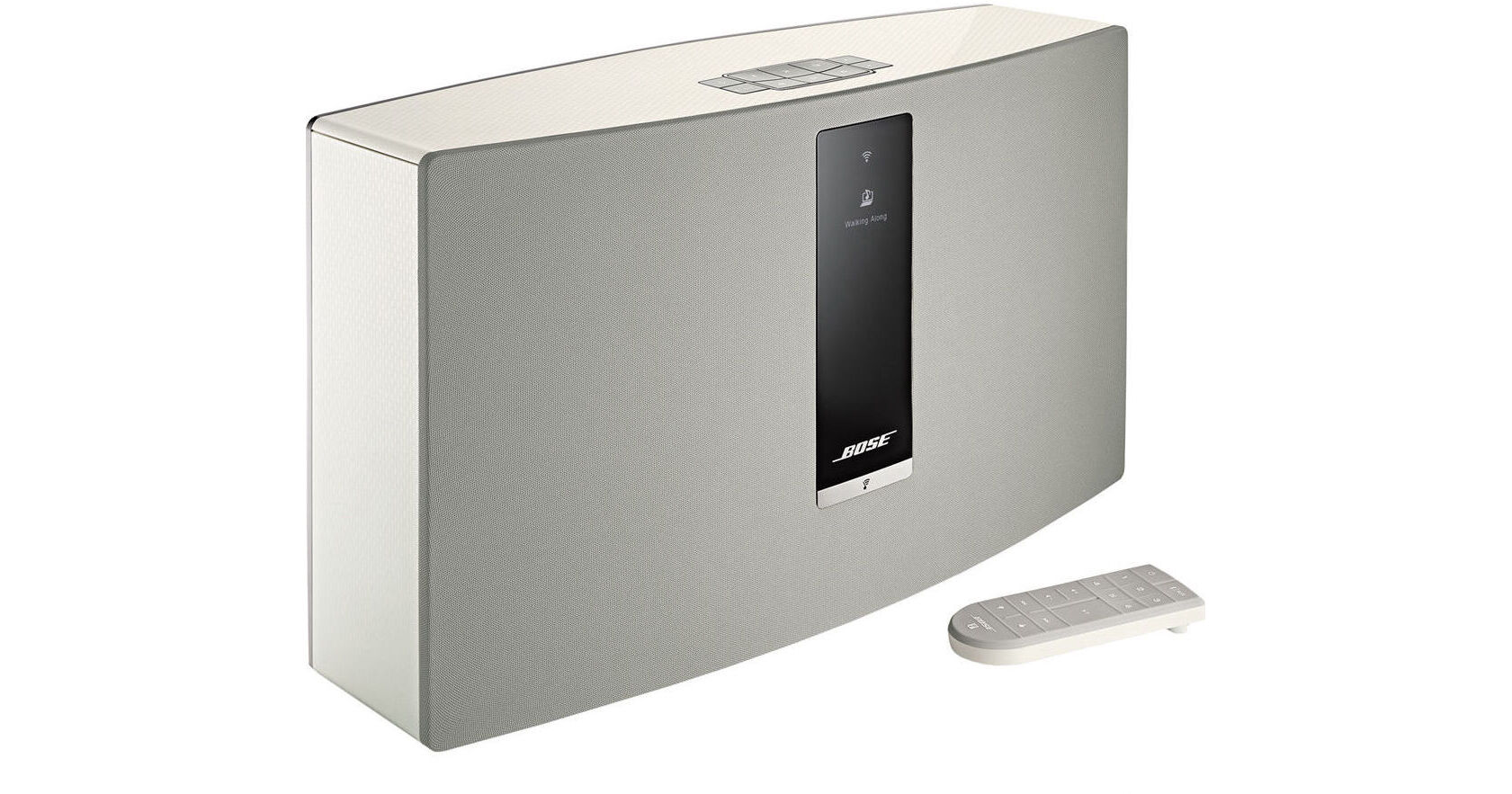
Three years ago, Sonos faced similar outrage when it attempted to push customers toward a new operating system, ultimately losing thousands of loyal users after initially telling them their older hardware was unsupported.
In 2020, Sonos created separate S1 and S2 software platforms, but unlike Bose, it was forced due to consumer complaints to continue to maintain cloud functionality for older S1 devices.
In contrast, Bose’s decision to completely suspend cloud connectivity for all SoundTouch systems has left many loyal users questioning the longevity — and reliability — of smart audio ecosystems.
Bose defended its move in a statement to Bloomberg, saying the decision was not taken lightly.
“We had to make the difficult decision to retire the cloud infrastructure that supports our SoundTouch systems, originally introduced over a decade ago in 2013,” a company spokesperson said.
“Technology has advanced considerably since then, and while SoundTouch has served our customers well, maintaining its aging platform at the level of performance and security our customers expect — and we hold ourselves to — is no longer sustainable.”
The company also cited dependencies on third-party streaming technologies as a factor in its decision.
While Bose has confirmed that Bluetooth, auxiliary line-in, and HDMI playback will still function, the removal of cloud support will sever all direct links to streaming music platforms — a core feature of SoundTouch products.
“We recognise this change may take some adjustment and want to provide customers with the information they need for the transition,” Bose added.
“Looking ahead, we’re focused on building the next generation of connected listening experiences powered by modern technologies.”
The announcement has prompted an immediate backlash across online forums. On Reddit, numerous Bose users voiced frustration and disbelief at the shutdown, calling it a betrayal of customer trust.
One user, Richard Lomas, told Bloomberg that his elderly relatives — both in their 80s and living in assisted care — depend on their SoundTouch system for daily entertainment.
“They’ve grown used to pressing the preset buttons to play their favourite music stations, but soon those buttons will no longer work,” Lomas said. “They don’t have cellphones anymore due to dementia, so switching to Bluetooth or AirPlay isn’t an option. This is sad and infuriating all at once.”
Lomas, who owns more than $1,000 worth of Bose gear, said the decision marked “a red line.”
“You don’t treat customers like this,” he said.
In response, Bose is offering affected users a 25% discount on future purchases, and the company says it is “actively evaluating trade-in and upgrade options” to provide “a more meaningful path forward.”
Bose also apologised directly to Lomas, acknowledging that its current products “may not replicate the exact SoundTouch experience you and your family have relied on for years.”
The controversy echoes challenges faced by other connected speaker brands. In 2020, Sonos created separate S1 and S2 software platforms, but unlike Bose, it continued to maintain cloud functionality for older S1 devices.
In contrast, Bose’s decision to completely suspend cloud connectivity for all SoundTouch systems has left many loyal users questioning the longevity — and reliability — of smart audio ecosystems.