COMMENT: Sennheiser: From Category Leader to Licensed Also-Ran
 David Richards
28 Jan 2026
David Richards
28 Jan 2026
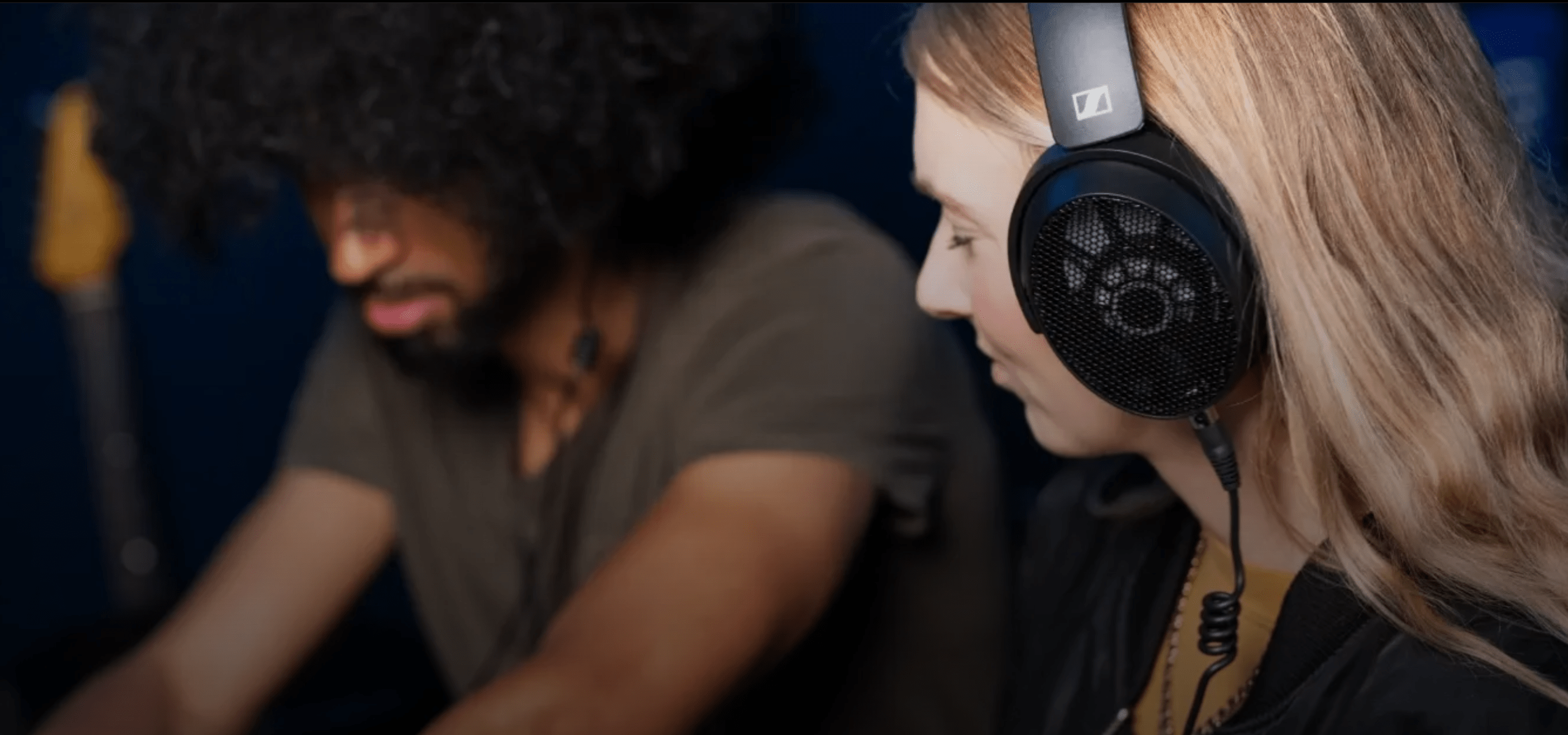
Once a benchmark of audio excellence, Sennheiser’s consumer headphone business is now a shadow of the brand that built its reputation. The name still carries weight, but the company behind the products no longer does.
In 2022, the Sennheiser family exited the consumer market entirely, selling the business to Sonova AG, a Swiss hearing-aid company, under a perpetual licensing deal. Since then, Sennheiser consumer products have been designed, developed, and sold without any involvement from the founding family. Their role has been reduced to collecting a licence fee — no product control, no strategy, no say.
The irony is hard to miss. The original Sennheiser family, the people who built the brand’s credibility, are thriving. Their professional audio business is booming, driven by deep penetration in pro markets and near-universal adoption by entertainers, broadcasters, and touring professionals who still demand “real” Sennheiser gear.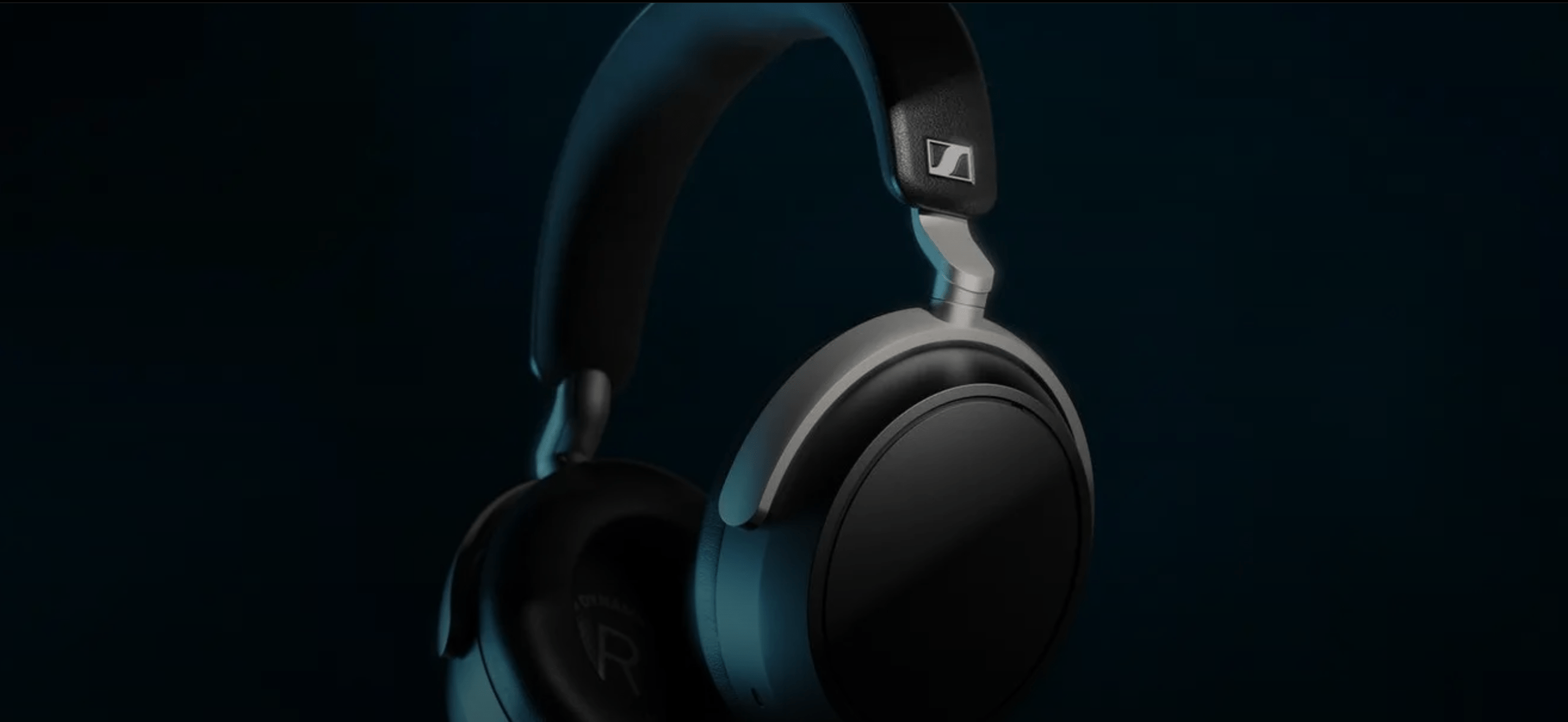
The same cannot be said for the licensed consumer division.
Under Sonova’s stewardship, Sennheiser’s consumer brand has steadily lost relevance and market share. While Sonova positions the business as “premium,” the reality of recent product launches and market data tells a different story.
Last week, Sennheiser released the CX 80U wired earbuds and HD 400U wired over-ear headphones — entry-level products aimed squarely at the bottom of the market. They are updated takes on older models, swapping the traditional 3.5mm jack for USB-C and supporting 24-bit/96kHz audio. Technically competent, perhaps — but strategically revealing.
This is not premium leadership. This is retreat.
It’s a return to the same entry-level segment where the original Sennheiser consumer business struggled — and ultimately failed — prompting its sale in the first place.
The numbers underline the problem. In today’s consumer headphone market, dominance belongs to ecosystem giants and mass-market specialists. Apple now controls roughly 39% of the market, Beats a further 18%, followed by JBL (15%), Bose (14%), and Sony (11%). Sennheiser has fallen to around 3%.
Just five years ago, Sennheiser held closer to 6% of the market. In 2020, it ranked among the leading global headphone brands, competing alongside Sony, Bose, and Harman. That era is over.
The market itself has grown massively — tens or even hundreds of billions of dollars globally, with hundreds of millions of units shipped every year — but Sennheiser has failed to keep pace. The growth has gone elsewhere.
Today’s headphone market is shaped by smartphone ecosystems, global consumer electronics giants, and aggressive brand investment. Apple, Sony, Bose, Harman, and Samsung continue to gain share. Sennheiser is no longer seen as a mainstream choice.
In key regions, the situation is even starker. In Australia, JBL dominates outright, holding more than 75% share in some categories such as party speakers. Sennheiser barely registers by comparison.
Yet Sonova continues to talk up a “premium” positioning — a claim that sits uneasily alongside entry-level launches, shrinking share, and declining brand visibility. The recent consolidation of Sound United and Harman under Samsung ownership will only intensify pressure on mid-tier and legacy brands like Sennheiser.
Compounding the uncertainty is a lack of transparency. Sonova has not released detailed financials for the Sennheiser consumer division, nor a standalone profit-and-loss statement. The company’s core business remains hearing care — hearing aids, audiology solutions, and medical-grade devices from brands such as Phonak and Unitron.
Consumer audio is not Sonova’s heritage. And it shows.
What remains is a famous logo attached to products that increasingly compete on price, not prestige. Meanwhile, the true Sennheiser — the one trusted by professionals and performers — is thriving without the consumer business that once defined the brand.
When the brand was really flying in Australia it was distributed by Sydney-based Synchronised Technology, originally trading as Syntec, they were the original distributors for the Sennheiser brand in Australia.
They handled distribution of Sennheiser audio products locally before Sennheiser chose to take the brand back.
Today Syntec distributes the German developed Beyerdynamic headphone brand which is about to make an entry into the consumer market and this is a brand that some say could be a real threat to Sennheiser.