Apple And Samsung Defy Smartphone Slump As Memory Crisis Deepens
 Joe Gallop
15 Jul 2026
Joe Gallop
15 Jul 2026

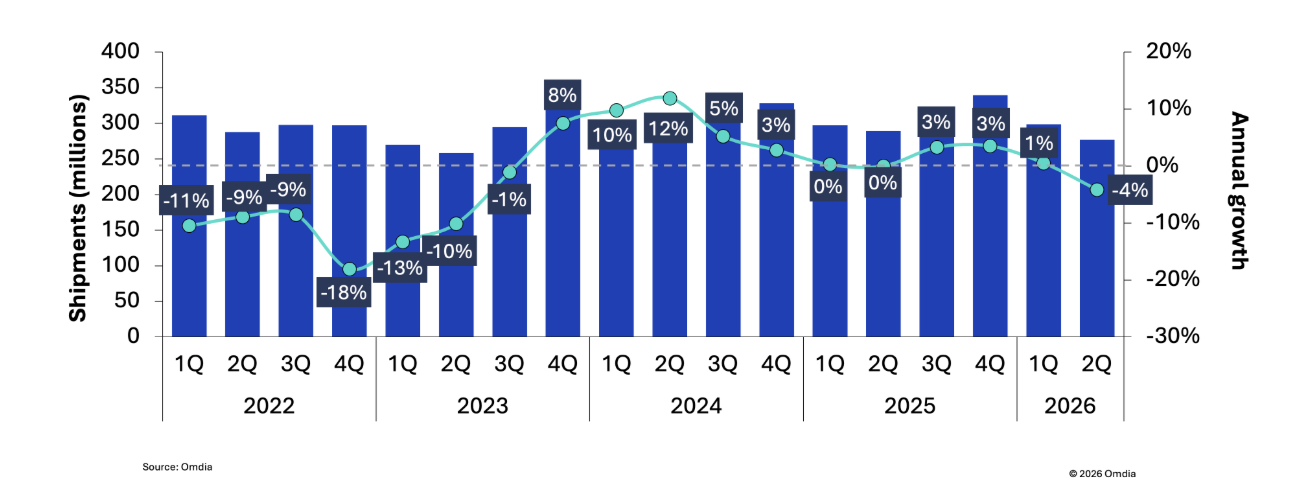
Global smartphone shipments fell 4% year-on-year during the second quarter of 2026 as soaring memory costs and supply constraints placed further pressure on manufacturers.
New research from Omdia found the downturn was concentrated in the mass market, while Apple and Samsung increased shipments and expanded their market share.
Samsung remained the world’s largest smartphone vendor with a 22% share, up two percentage points from the same period last year.
The company benefited from resilient demand, strong component availability and the delayed launch of the Galaxy S26 series, which pushed some premium handset sales into the second quarter.
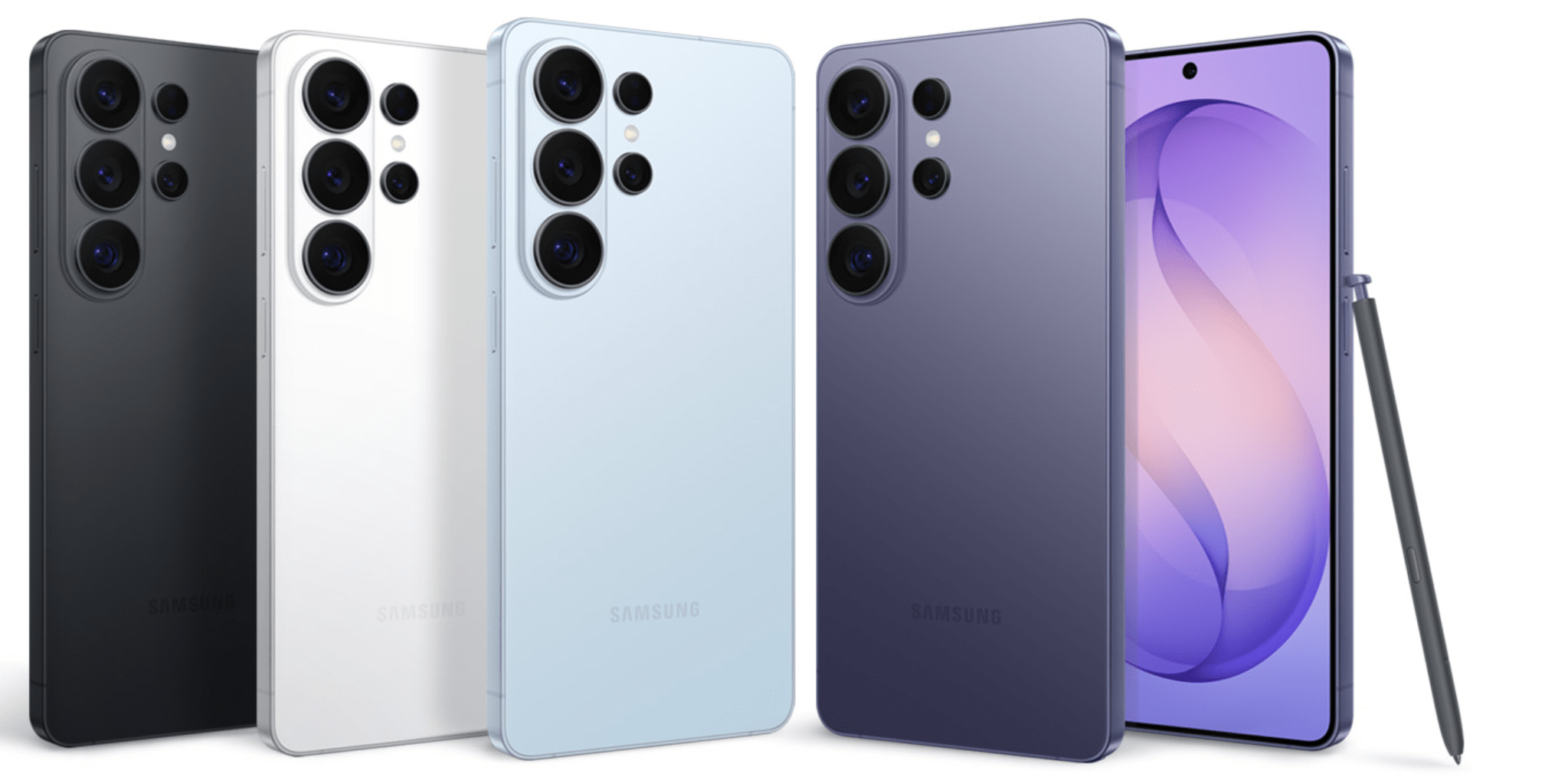
Samsung also gained ground at the budget end of the market as Chinese rivals reduced the number of devices in their line-ups and increased wholesale prices.
Apple recorded its strongest second quarter on record, capturing 20% of the market and increasing its share by four percentage points.
Omdia said the iPhone 17 series had delivered one of Apple’s strongest upgrade cycles, while stable iPhone pricing helped the company as rival manufacturers were forced to lift prices.
However, Apple increased prices across several other product categories towards the end of the quarter, raising questions over whether similar increases could eventually reach the iPhone range.
The result follows Apple’s similarly strong performance in the PC market, where Mac shipments rose 10.1% during the quarter despite global PC shipments falling 4.9%, according to recent IDC figures.
Apple is also dominating the emerging Edge AI smartwatch category, accounting for around 90% of global shipments during the first quarter of 2026, according to Counterpoint Research.
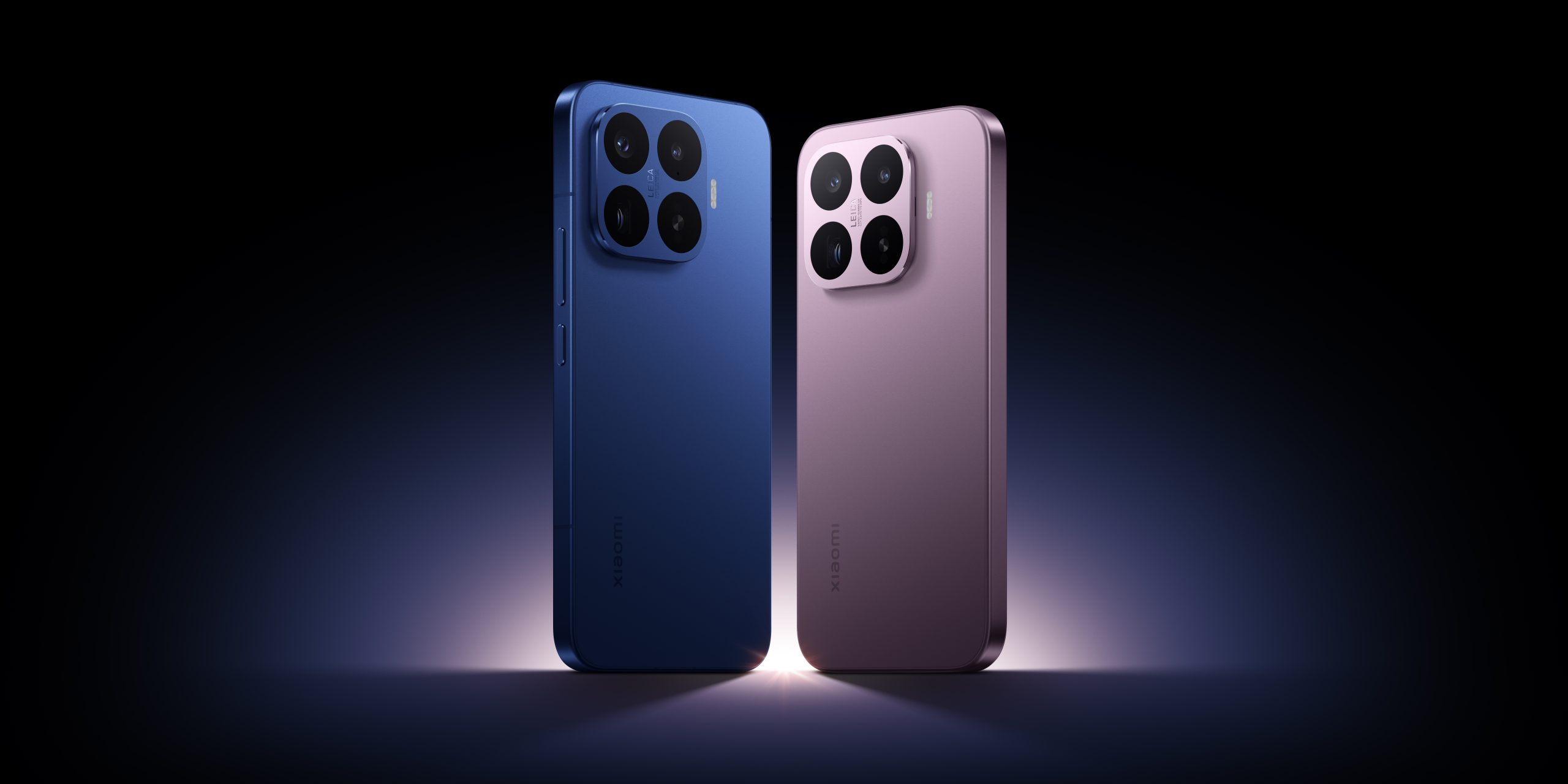
Meanwhile, Xiaomi retained third place in the smartphone market with an 11% market share, followed by OPPO at 10% and vivo at 8%.
Omdia principal analyst Runar Bjorhovde said the sharpest shipment declines were being recorded in the sub-A$575 segment, where margins were thinner and consumers were more sensitive to price increases.
Some manufacturers are reportedly paying four to five times more for memory than they were a year ago.
Memory and storage now account for more than 60% of the bill of materials for some budget phones and more than 30% for premium models.
Omdia expects memory prices to begin easing no earlier than the second half of 2027, although they are unlikely to return to levels seen before 2025.
The research firm warned shipment declines could accelerate during the next two quarters as seasonal launches and holiday demand collide with restricted component supply.
The figures show Apple gaining ground across smartphones, computers and wearables as manufacturers prioritise premium products, leaving budget buyers with fewer options.