Apple Dominates Edge AI Smartwatch Market As Shipments Hit 25% Globally
 Joe Gallop
07 Jul 2026
Joe Gallop
07 Jul 2026
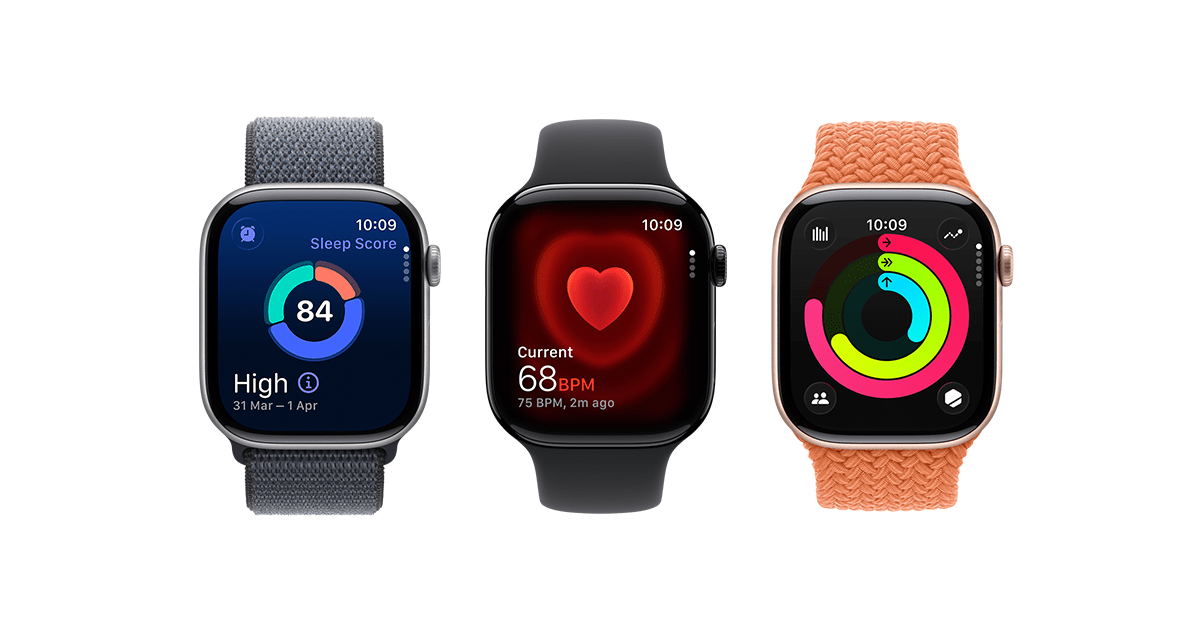
Apple is dominating the fast-growing Edge AI smartwatch market, as more wearables shift health and safety features from the cloud to the wrist.
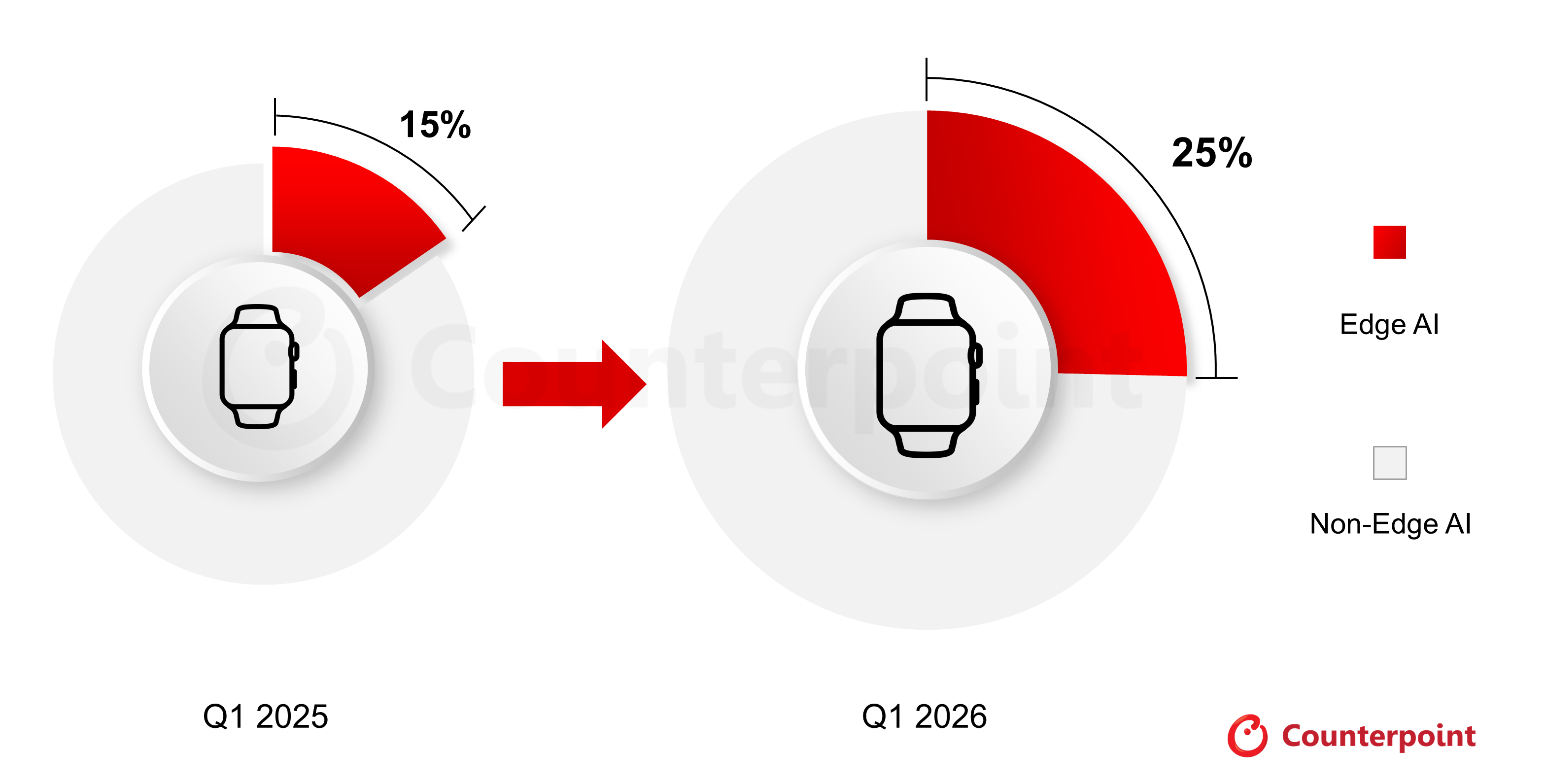
Global shipments of Edge AI-capable smartwatches jumped 70% year-on-year in the first quarter of 2026, reaching 25% of total smartwatch shipments, according to Counterpoint Research.
Counterpoint said it expects Edge AI penetration in smartwatches to approach 32% in 2026.
The growth is being driven by demand for more advanced health and fitness insights, beyond basic step counts, heart rate tracking and sleep duration. New low-power neural accelerators are allowing smartwatches to process more information on-device without hammering battery life.
That means features such as fall detection, arrhythmia alerts, sleep analysis and personalised health recommendations can be handled locally, reducing reliance on a smartphone or cloud service.
Counterpoint principal analyst Anshika Jain said smartwatch brands were upgrading hardware to make devices more AI-capable, but Apple remained well ahead of rivals.
“Edge AI integration enables real-time health insights and faster responses while helping ensure data privacy,” Jain said.
“Currently, Edge AI penetration remains limited to leading brands, with Apple solely accounting for around 90% of Edge AI smartwatch shipments in Q1 2026.”
Health monitoring is the main driver of the shift. Counterpoint said smartwatch shipments with blood pressure monitoring doubled in Q1 2026, while models with sleep apnea detection tripled.
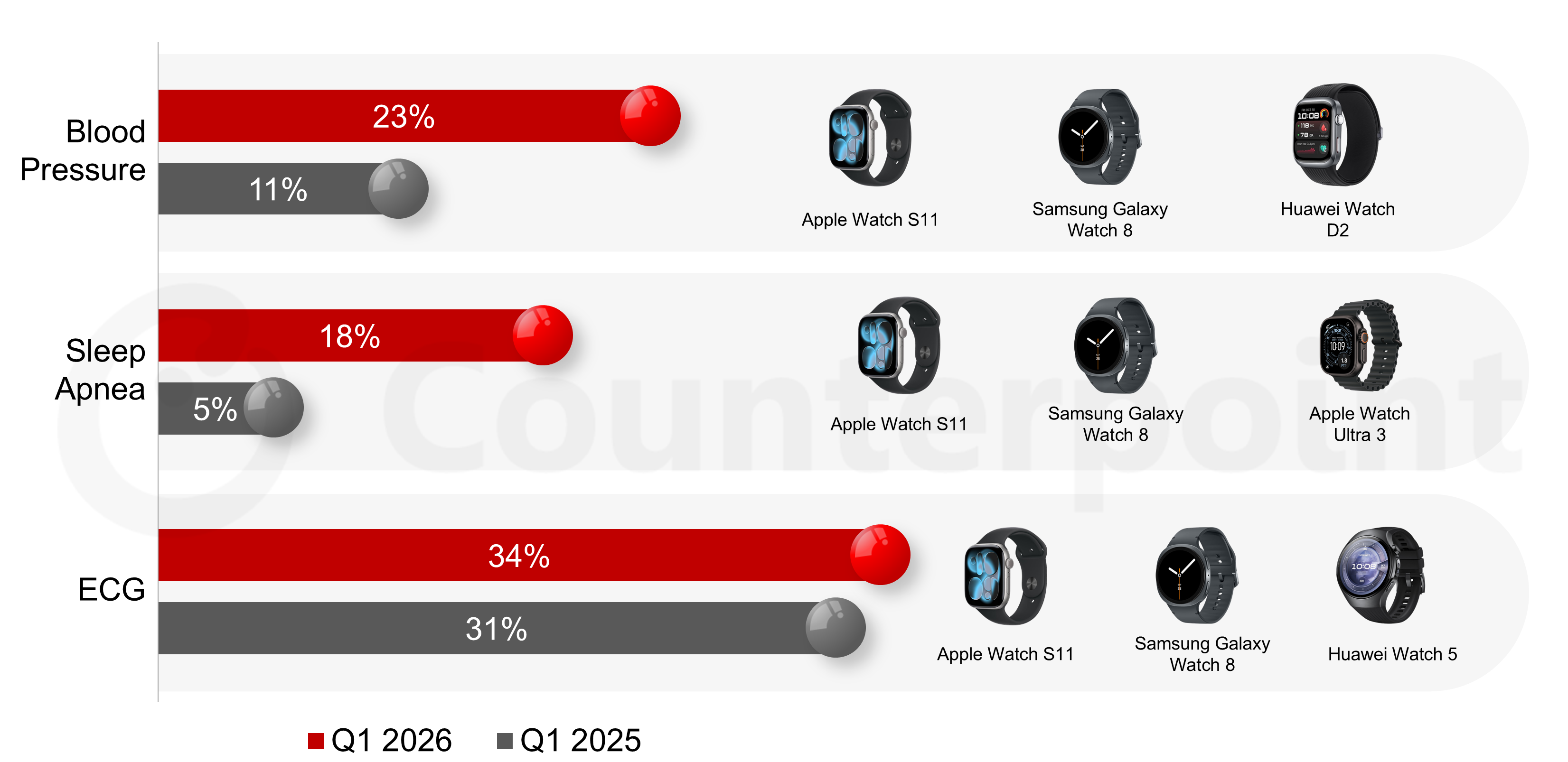
Rather than sending biometric signals to the cloud, newer watches can analyse heart rate, sleep patterns and temperature locally, helping detect issues such as atrial fibrillation, sleep apnea and elevated blood pressure.
Apple laid the groundwork for this shift with its S9 chip in 2023, which included a four-core Neural Engine for machine learning tasks. Huawei followed with its in-house Kirin W80 chip in 2025, while Qualcomm has announced the Snapdragon Wear Elite with a dedicated NPU for 2026.
Google is also expected to deepen wearable AI integration through upcoming Tensor-based smartwatch silicon.
Counterpoint research director Mohit Agrawal said the next stage of Edge AI in smartwatches would depend not just on hardware, but also software optimisation and smaller, more efficient AI models.