Will Google Be Broken Up?
 Nigel Bowen
29 Aug 2025
Nigel Bowen
29 Aug 2025

A year after Judge Amit Mehta ruled Google illegally monopolised general search and search-text advertising, the court is now weighing remedies.
Remedies that could include forcing Alphabet to sell the Chrome browser, curbing default-search deals, and licensing ‘click-and-query’ data to rivals.
The Department of Justice and 38 US states filed a revised proposed final judgment in March 2025 seeking Chrome divestiture, stricter limits on default-search contracts, and data-licensing obligations to help competitors improve relevance and ad performance.
Mehta’s liability ruling followed evidence that Google paid $26.3 billion in 2021 to secure default status across Apple, Samsung, Mozilla and others, thereby locking up crucial distribution.
Mehta concluded that Google’s distribution agreements foreclosed rivals and allowed price increases in search text ads.
These findings set the stage for structural remedies.
The bench trial, to examine the potential remedies, ran from April to May 2025. The judge’s decision is expected any day now.
OpenAI and Perplexity have already publicly indicated interest in acquiring Chrome if a divestiture is ordered.
As reported by Channel News, Perplexity lodged an unsolicited offer of US$34.5 billion (A$53.1 billion) earlier this month.
OpenAI executives have said they’d be interested if a sale is ordered—moves that underscore Chrome’s strategic value as the access point to search.
Google’s search engine currently controls close to 90% of online queries.
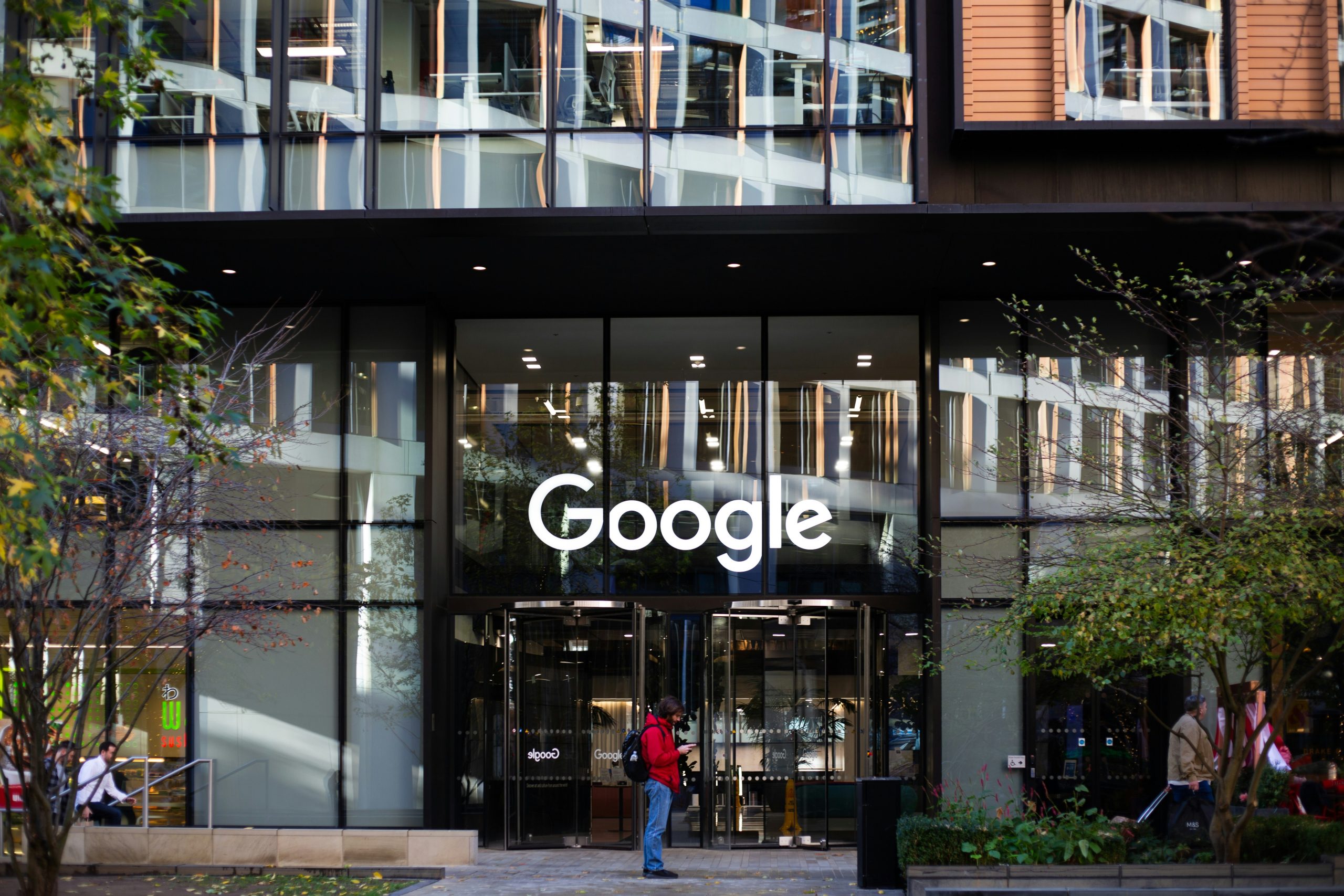
Having ignored its one-time ‘Don’t be evil’ motto, Google now faces the legal consequences
If Mehta orders a Chrome sale and robust data-sharing, the search market will be abruptly transformed.
Defaults will loosen. Apple/Android choice screens could become mandatory, weakening “pay-to-be-default” tactics.
Data parity will improve. Licensing ‘click-and-query’ data could narrow Google’s quality moat. That’s vital for challengers’ training ranking systems.
Ad economics will shift. With distribution and data advantages trimmed, search-text ad pricing power may ease.
All that noted, the odds of a break-up shouldn’t be overestimated.
US courts often prefer less dramatic solutions to antitrust issues.
If a Chrome sale were to happen, it would be the most significant US tech divestiture since AT&T’s four decades ago. Google would certainly appeal
But even the less dramatic solutions, such as limits on exclusives, transparency, and data access, would chip away at Google’s distribution lock-in and information advantage.
It’s now all down to Mehta. His decision could determine whether AI-era search is a Google-led utility or a competitive market.