Optus And Nokia Trial Drone Network to Restore Connectivity After Disasters
 Joe Gallop
29 Aug 2025
Joe Gallop
29 Aug 2025
Optus and Nokia are trialling new drone-based mobile network solutions designed to reconnect Australians faster in the wake of natural disasters.
The move comes after outages during ex-Tropical Cyclone Alfred left many communities without mobile service due to flooding and power loss, highlighting the need for more agile recovery options.
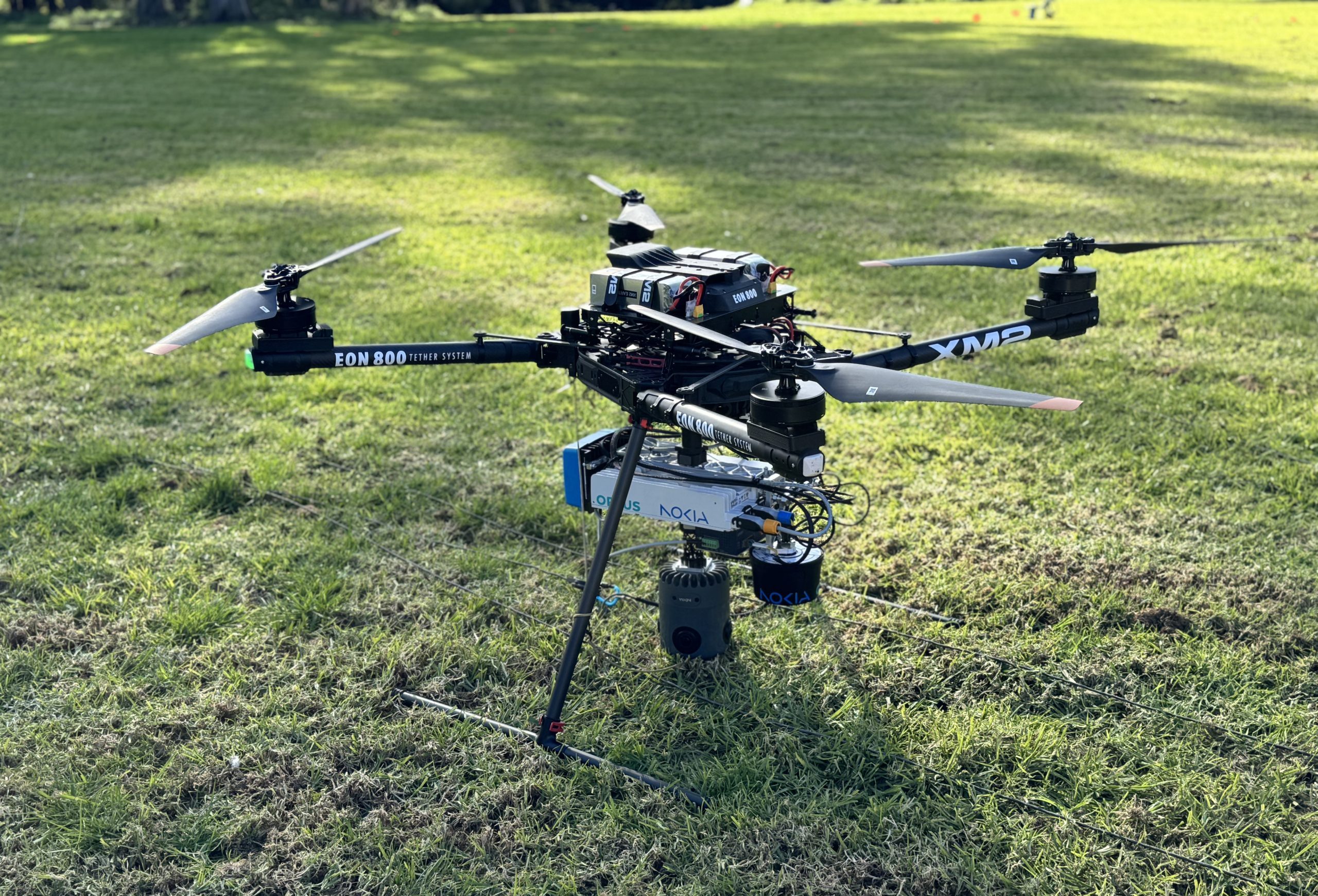
At a recent demonstration at Macquarie University, the telco and Finnish networking giant showcased a compact small cell and a tethered drone system that can act as portable mobile towers, delivering 4G and 5G coverage in disaster-hit regions.
Nokia’s lightweight small cell connects directly to Optus’ core network via low-earth orbit satellite, enabling rapid restoration of voice and data services without relying on existing towers.
Taking this further, Optus and Nokia partnered with Melbourne-based UAV specialist XM2 to integrate the technology with the EON800 Tether Drone System. The heavy-lift drone can remain airborne for up to seven days, carrying payloads of up to 15kg while providing continuous 4,500W power and fibre connectivity.

In testing, the drone delivered 4G/5G voice, SMS and data services across a 2km radius, with speeds of up to 100Mbps – enough to let residents contact loved ones, check weather updates, access banking or call emergency services.
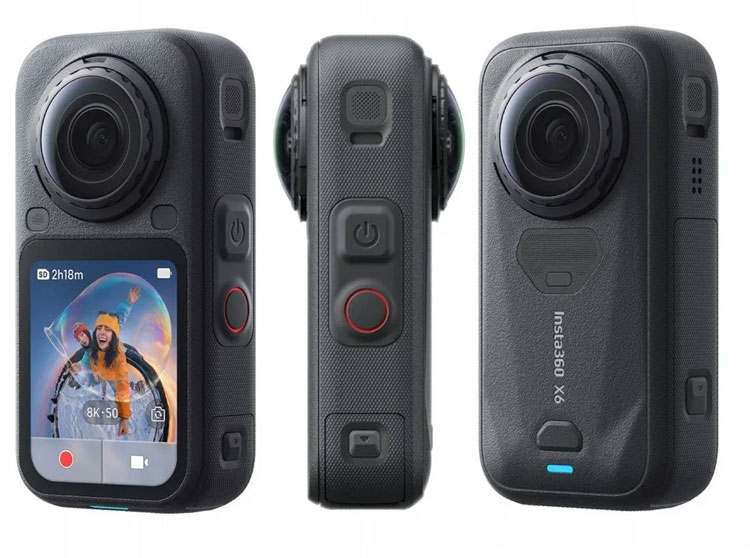
For first responders, Nokia also demonstrated live 5G video streaming via a 360-degree camera and real-time communications using its mission-critical private wireless platform.
Optus CTO Tony Baird said the showcase highlighted promising innovations for emergency preparedness: “The solution I’m seeing today with the tethered drone and tripod-mounted small cell gives me confidence that we are seeing more innovation we can use in our network.”
Jae Won, Nokia’s Head of APAC Mobile Networks, added: “With natural disasters occurring more frequently, connectivity is absolutely critical. This drone-based setup can restore services quickly, helping emergency organisations act fast and save lives.”
XM2 CEO Stephen Oh said the EON800 was proving its value in real-world disaster response: “This highlights the system’s impact in helping communities stay connected when it matters most and ultimately saving lives.”
Optus is now assessing how to integrate the solutions into its disaster response toolkit.