iPhone to Drive Smartphone Rebound Despite Rise of AI and Foldables
 Joe Gallop
29 Aug 2025
Joe Gallop
29 Aug 2025
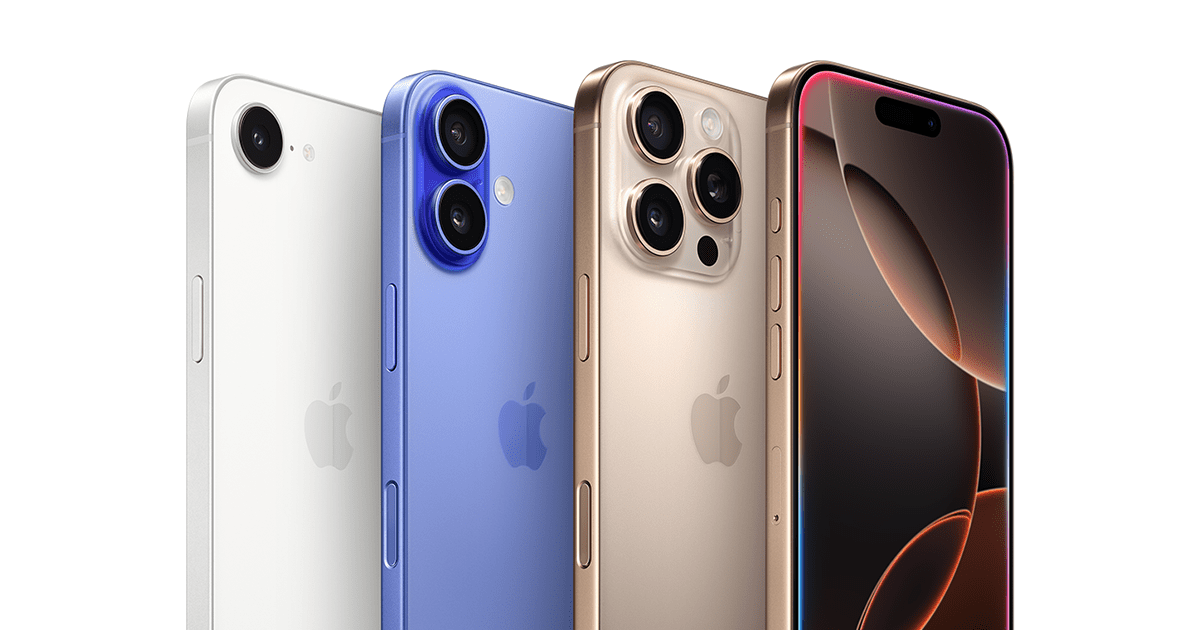
Apple’s iPhone is expected to carry much of the global smartphone market through 2025, with new forecasts showing strong demand for iOS devices despite growing competition from AI-powered rivals and foldable designs.
Analyst group IDC has revised its annual shipment forecast upward, now predicting 1% growth across the smartphone industry this year – a lift from its June estimate of 0.6%.
That may sound modest, but the difference comes almost entirely from Apple.
iPhone shipments are set to climb 3.9% year-on-year, with U.S. sales rising 3.6%. China, however, remains a weak spot, where Apple is expected to post a 1% decline.
IDC says the iPhone’s resilience comes down to trade-in programs, financing deals and customer loyalty, with most users sticking with iOS when they upgrade. Without Apple’s performance, global shipments would be flat or even negative.

The broader market is being reshaped by two forces: foldables and artificial intelligence.
Foldable phones will continue to grow rapidly, though IDC expects them to make up less than 3% of shipments by 2029.
Far more significant is the rise of “GenAI smartphones” – handsets with built-in generative AI features. IDC forecasts 370 million of these devices will ship this year, representing nearly 30% of the market.
AI is becoming a key battleground for manufacturers, powering features like text rewriting, photo enhancement and on-device assistants. Apple is under pressure to advance its “Apple Intelligence” suite, expected to debut in the upcoming iPhone 17 range.
Average selling prices are also on the rise, with IDC projecting a 5% increase in 2025 as vendors push premium models and lean on financing to soften the blow for buyers.
For Apple, the outlook is positive. With rivals struggling in China and chasing volume in lower-cost tiers, iPhone loyalty and its ecosystem of services give it an edge.
The iPhone 17 launch in September, including the heavily rumoured iPhone 17 Air, could further cement Apple’s dominance.