EXCLUSIVE: ACCC Waves Through Midea Grab For Debt-Laden Residentia, Ignores Chinese Giant’s Hidden Grip On OZ Appliance Market
 David Richards
28 Jul 2026
David Richards
28 Jul 2026
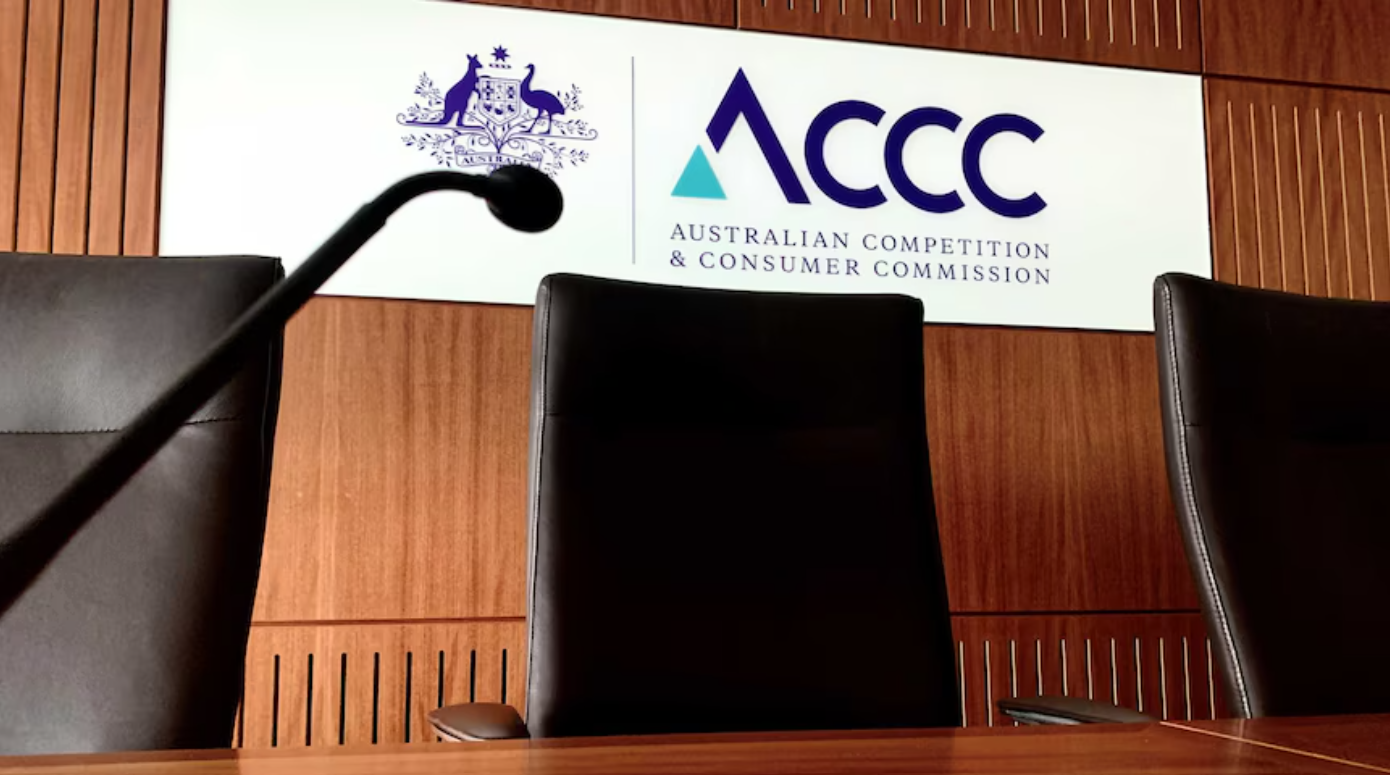
Serious questions are being raised over the Australian Competition & Consumer Commission’s decision to approve the acquisition of 60% of Melbourne-based distributor Residentia Holdings by Midea, the world’s largest appliance manufacturer, a Chinese conglomerate whose dominance in the Australian market is routinely underestimated.
The deal came about after Residentia ran up debts of more than $7.5M with the Chinese Company, ChannelNews understands, raising questions as to whether the acquisition was less a strategic play and more a debt-for-equity workout that the competition regulator has now rubber-stamped.
What Commissioner Williams Failed To Mention
What the determination handed down by Commissioner Williams fails to address is the sheer extent of third-party manufacturing that Midea will control in Australia once it takes charge of Residentia, with the Chinese conglomerate already the source of multiple appliances sold to Australian retailers where only the fascia and the brand badge differentiate the products.
Midea currently manufactures products for Kogan, Samsung, Electrolux and LG Electronics, as well as multiple house-brand appliances sold at Appliances Online, including Germanica air fryers, benchtop ovens and other small kitchen appliances.
The Company is also the manufacturer behind some Telefunken washing machines, washer-dryer combinations and heat-pump dryers, as well as Toshiba appliances and Comfee, a Midea-owned brand sold in the Australian market.
Residentia currently supplies products under its own brands, Esatto, InAlto, Omega and Sôlt, along with third-party brands Teka and Elica, to retailers.
The Overlap The ACCC Admits, And The One It Doesn’t
The ACCC concedes there is an overlap between Midea and Residentia in the supply of whitegoods and electronic household appliances sold to retailers, spanning microwaves, range hoods, portable air conditioners, dishwashers, built-in cooking hobs, dryers, ovens, refrigerators, washing machines, air purifiers and cooling fans.
Despite this, the regulator claims its competition assessment found no cause for concern.
Williams wrote in his determination that the ACCC considered the information and documents submitted with the notification form along with information from third parties, and determined the acquisition may proceed as it is unlikely to have the effect of substantially lessening competition in any market.
The ACCC concluded that the increase in concentration for each category of whitegoods and electronic household appliances supplied by the parties under their own and third-party brands would be small, and that the merged entity would face competition from alternative suppliers, including global suppliers with well-known brands.
What the ACCC failed to identify is the extent of “other brands” sold in Australia that are actually manufactured by Midea.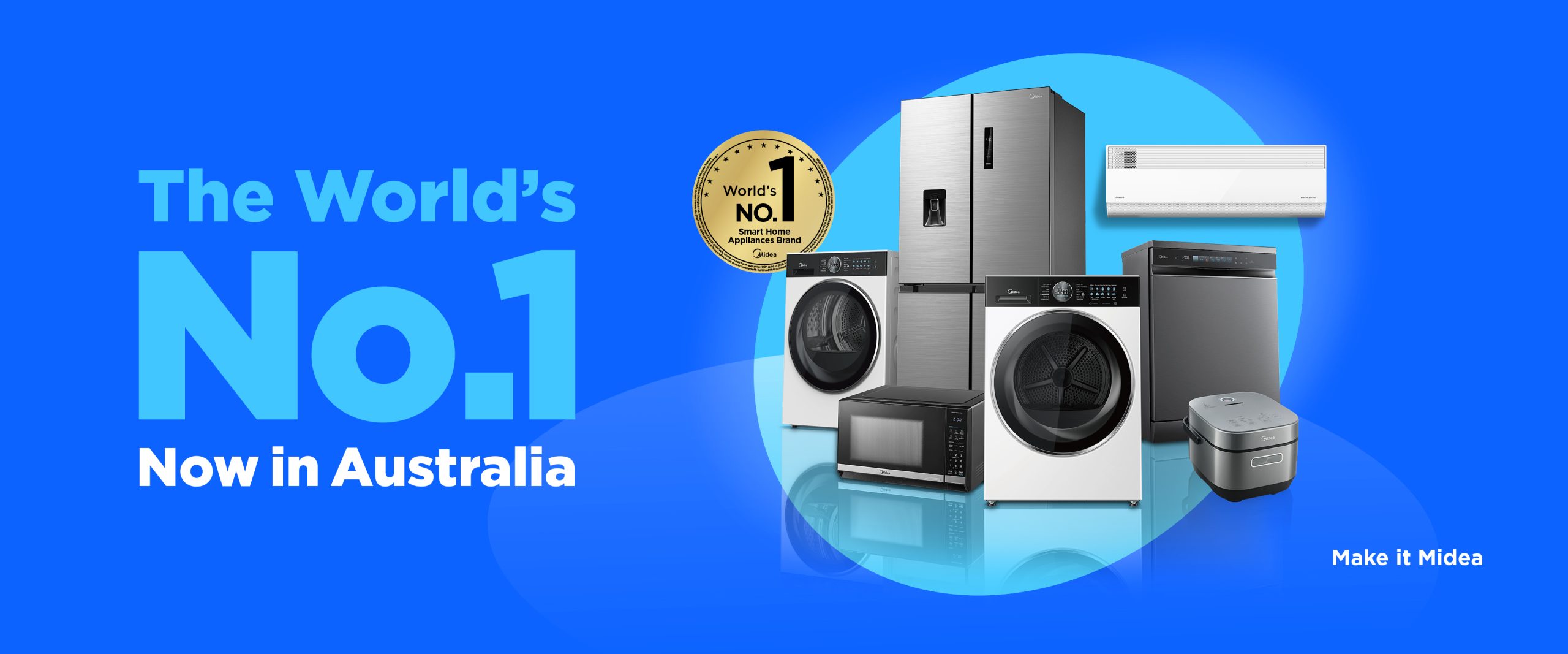
The regulator claimed there is minimal horizontal overlap between Midea and Residentia in the supply of private-label whitegoods and electronic household appliances to retailers, and that post-acquisition the merged entity would face competition from alternative suppliers.
The ACCC also argued the merged entity would be unlikely to have the ability or incentive to foreclose access by wholesalers and distributors to white-label appliances, given the merged entity’s white-label business is larger than its Midea-branded business, Midea would hold only a part financial interest in Residentia, and customers could switch to alternative suppliers.
It further claimed the merged entity would be unlikely to foreclose rival manufacturers’ access to wholesale distribution channels because Residentia is only a small customer of branded appliances in Australia and already sources the majority of its products from Midea.
A Distributor Under Pressure
Residentia has been under financial pressure for some time, with profit dropping from $6.67M to $4.66M and borrowings rising from $8.81M to $14.73M according to ACCC-filed documents, on top of a $4.865M share buyback in July 2025 funded by key-person insurance following the death of Nathan Carey.
Midea agreed to acquire a 60% stake in Residentia Group with the value of the transaction undisclosed.
A Safety Record That Is Not Flash
Midea’s product safety record worldwide is not flash, including the recall of roughly 1.7 million U and U+ window air conditioners in the US and a further 45,900 in Canada, following 152 reports of mould and 17 respiratory-related health complaints, with some units white-labelled under the Frigidaire brand.
Some observers claim the Residentia deal gives the world’s largest appliance maker the ability to flood the Australian market with cheap Chinese appliances, creating problems for multiple brands and retailers.
The Only Avenue Left
Those who believe Midea poses a threat to local appliance suppliers are being directed to the Australian Competition Tribunal, where they can apply for a review of the decision.
Pursuant to section 100C of the Act, applications for review of the determination must be made to the Tribunal within 14 calendar days of the statement of reasons being included on the ACCC’s Acquisitions Register.
,