Why Are Consumers Not Buying Google’s Smartphone?
 David Richards
06 Oct 2023
David Richards
06 Oct 2023
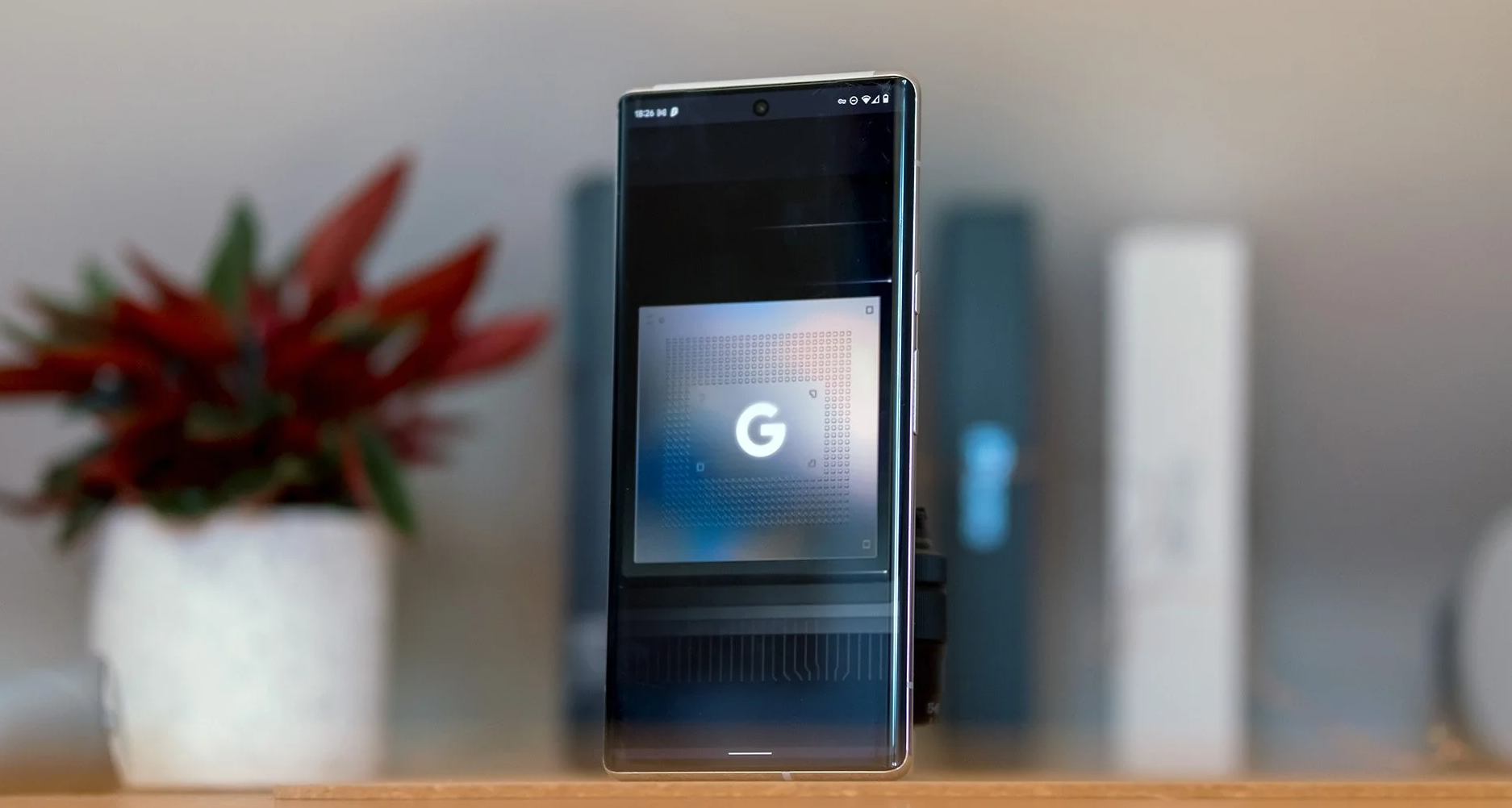
Apart from the fact that millions of consumers are fed up with the intrusive actions of Google, and their obsession with tracking people, via their mobile phone, or collecting and selling data on users using their products and search services, one has to ask why, are consumers by majority, are not buying the Companies Google Pixel smartphone, which has less than 3% share in Australia.
Is it brand Google, that’s a problem or is it that consumers don’t trust their unknown Tensor processor which is only used in Google smartphones.
In Australia consumers have shunned the Google Pixel with Google who despite spending millions marketing their Google Pixel only has 2.9% market share.
Their latest Google Pixel 8 houses a new version of what Google claims is a custom Tensor processor.
They claim that the house brand processor Tensor G3 builds on the technology offered by the G2.
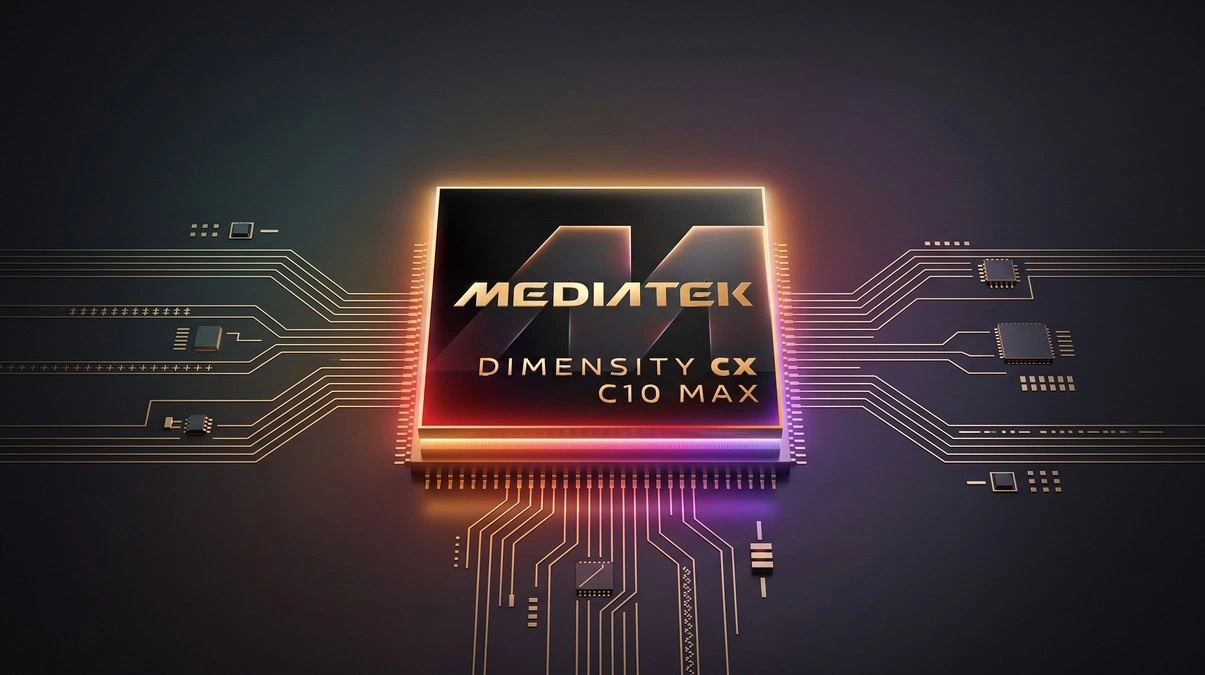
Instead of using a MediaTek or Qualcomm processor which is used by the bulk of other smartphone brands in the market, in particular brands running the Google Android OS, Google has opted to tip money into a processor that is faster than the previous version.
The only problem is that large chunks of the chipset are licenced from other technology manufacturers.
Tensor is Google’s in-house SoC, and a key part of the new processor is its ability to handle AI claims Google.
Which is Google speaking for collecting more data on you.
Currently Google facilitates about 90% of all online searches, giving it an unrivalled view into the internet browsing behaviour of billions.
Its search engine supports an advertising business that brought in A$25 billion last year, most of the revenue at parent company Alphabet.
Generative AI is a big part of the new chip’s benefits, but many of those features aren’t out yet and when they are users are going to have to seriously worry about the intrusive way that Google is going to try and control your life, what you, buy, where you shop and where you have been.
This is data that is sold to other organisations and supplied to law enforcement bodies around the world which is why many users are shunning away from buying a Google device.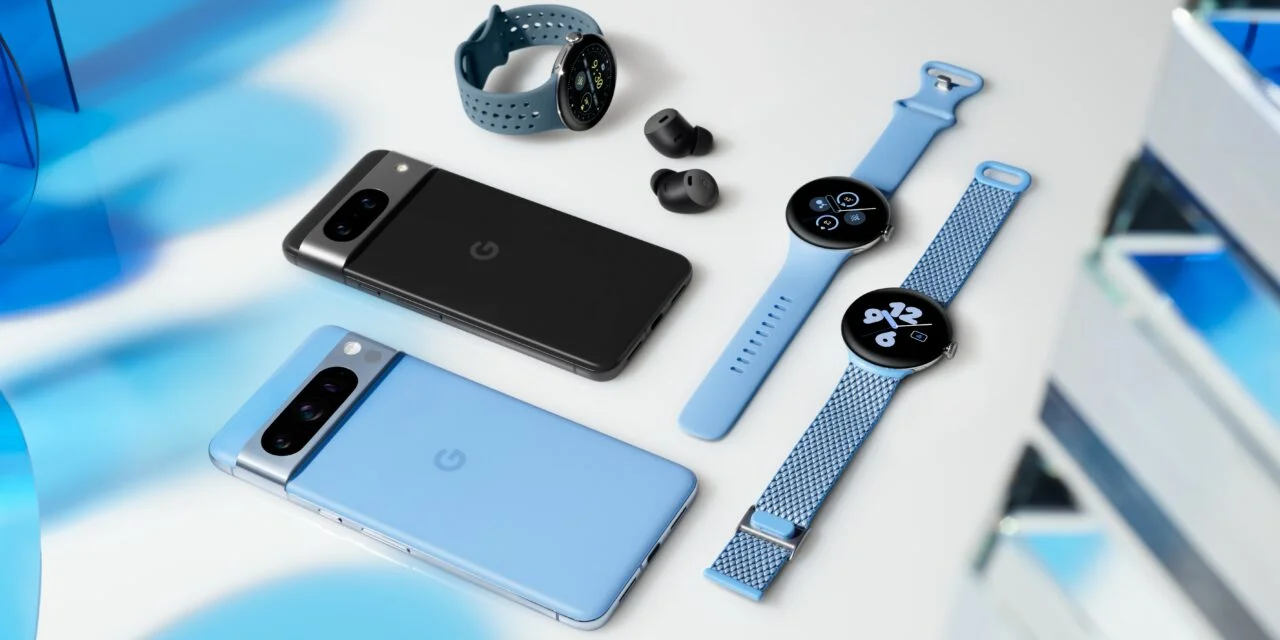
Shortly Google will roll out Google Bard which is a feature that will be embedded into come to Google Assistant.
Ironically, Google didn’t announce the actual specs of the Tensor G3 unlike their competitors Qualcomm and MediaTek however some specs have been leaked by third party suppliers.
Apparently, it has four Cortex-A715 medium cores at 2.37GHz, and four Cortex-A510 little cores at 1.7GHz making it a nine-core processor, it’s also using a Mali-G715 GPU.
Currently Google is in the cross hairs of the US Federal Trade Commission who has accused Google on anti-competitive behaviour.
A lawyer for the federal government argued that Google has illegally protected its internet search monopoly using deals struck with smartphone makers in the past including Samsung and Apple.
As part of this trial Apple has been defending its decision to make Google the default search engine in its Safari web browser.
Overnight the hearing heard that Safari could have been way better at protecting your privacy than it actually is after Apple considered making DuckDuckGo the default search engine in Safari’s private browsing mode while keeping Google as the mainstay everywhere else.
Despite holding 20 meetings with DuckDuckGo’s executives between 2018 and 2019, Apple ultimately decided against the move.
DuckDuckGo is a privacy-focused search engine whose entire raison d’être is essentially to be the opposite of Google.
DuckDuckGo makes a point of automatically blocking things like trackers and user fingerprinting, making for a much more private experience than you get with Google.
According to the court testimony, Apple’s search chief John Giannandrea claimed that because DuckDuckGo relies on Bing for its search results (an engine Apple apparently considered buying), it probably also sends some user data to Microsoft, meaning its “marketing about privacy is somewhat incongruent with the details.”
In the past mobile phone carriers have also balked at allowing Samsung Electronics to load its Galaxy devices with an app search capability that Google lacked, due to potential conflicts over their contracts with Google, a former Samsung investment adviser said at the search giant’s antitrust trial yesterday.
“The carriers had concerns it cannibalised their existing search revenues,” said Patrick Chang, a former director at Samsung Next Ventures, a venture capital arm of the South Korean electronics company.
Samsung officials considered the across-apps search function devised by Branch Metrics to offer “a huge potential opportunity” because Google at the time couldn’t do that, Chang said.
At one stage, Branch Metrics raised $650 million from ythe likes of Samsung and other venture capital investors to build a search engine for mobile apps.