Sony Australia Facing Compounding Pressures as Revenues Slump 35% in Real Terms
 David Richards
04 Jun 2026
David Richards
04 Jun 2026
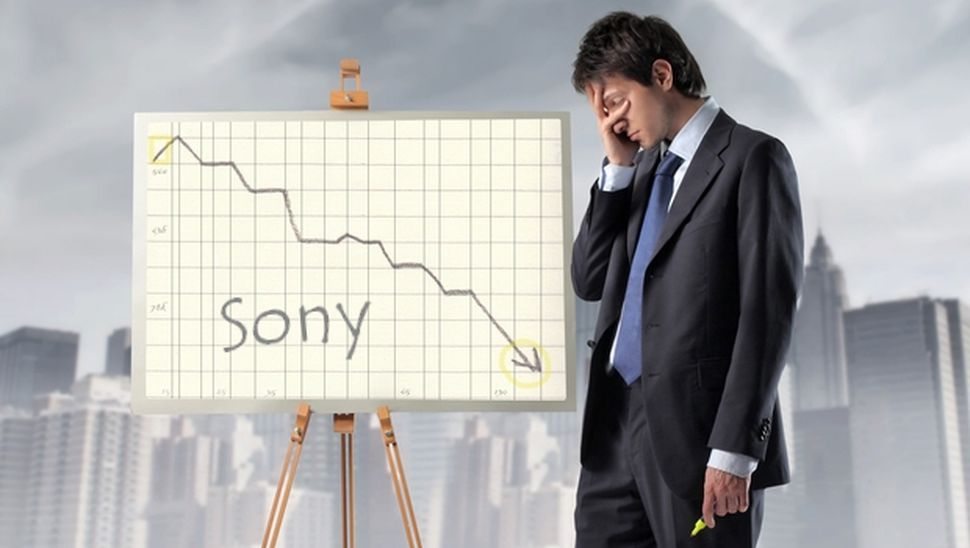
Sony’s Australian operations are facing a challenging period of structural and financial pressure, with its latest financial filings revealing a long term revenue decline, key PR agency shakeups, and an impending overhaul of its iconic television business.
The pressure is compounding across multiple fronts, affecting both its traditional consumer electronics division and its historically lucrative interactive entertainment sector.
A Decade of Revenue Decline and Market Share Erosion
Sony Australia’s latest financial results show that revenue for the 2025 fiscal year slipped to $514.9 million, down from $560.5 million in 2024. This represents a steep trajectory downward from the $599 million in revenue the company delivered during the 2016/2017 financial year.
When adjusted for a cumulative Australian CPI inflation rate of approximately 32% over the past decade, Sony’s 2025 revenue represents a massive 35% decline in real terms.
To have maintained the same purchasing power as its 2017 results, Sony’s local revenue would need to be roughly $277 million higher than currently reported.
A primary driver of this long term decline has been the intense competition in the premium TV market, where rivals Samsung and LG Electronics successfully stripped significant market share away from Sony.
The company is currently making a final push with its existing TV line-up before a major structural shift occurs.
Control of the Sony TV business is set to transition to TCL, ahead of a planned brand relaunch in April 2027 under the Bravia TV banner.
Despite the top line revenue bleed, there was a silver lining for the local subsidiary. Sony Australia, which retains its camera, audio, and premium projector business (the latter distributed by Melbourne based Audio Active), managed to lift its net profit to $12.8 million, up from $10.192 million in 2024.
This profitability was supported by a $14 million spend on retail promotions during the financial year.
Marketing Shakeup and a New Agency
Amid these commercial shifts, Sony Australia has abruptly severed ties with its long time public relations agency, Adhesive. The agency had drawn industry attention for rigid management policies, including strict mandates that all media inquiries for Sony executives be submitted in writing before an interview would even be considered.
Looking forward, Sony has appointed a new agency, Neo Black, to spearhead the local marketing push and upcoming launch of its new RGB LED TV technology.
Sony has not said why they dumped Adhesive who was recently dropped by a leading appliance Company.
PlayStation Navigates Structural and Macro Headwinds
The financial squeeze isn’t isolated to home appliances. Sony Interactive Entertainment is dealing with a distinct set of structural, financial, and strategic headwinds in Australia, with mass retailers like EB Games noting a visible slowdown in PlayStation 5 console sales.
As consumer behaviour shifts toward PC and mobile gaming, PlayStation is grappling with three major internal crises:
The High Cost of Blockbuster Exclusives
The traditional PlayStation blueprint, massive, cinematic, single player narrative games, is becoming financially unsustainable. These titles now require development cycles of up to seven years and budgets ballooning past a quarter of a billion dollars, meaning a single commercial underperformance can destabilize an entire studio.
Compounding this is a decline in first party unit sales from their fiscal year 2020 peak. While third party juggernauts like Call of Duty and Grand Theft Auto continue to generate highly lucrative revenue on the platform, Sony’s own ecosystem driving titles are moving fewer copies than they did in the previous hardware generation.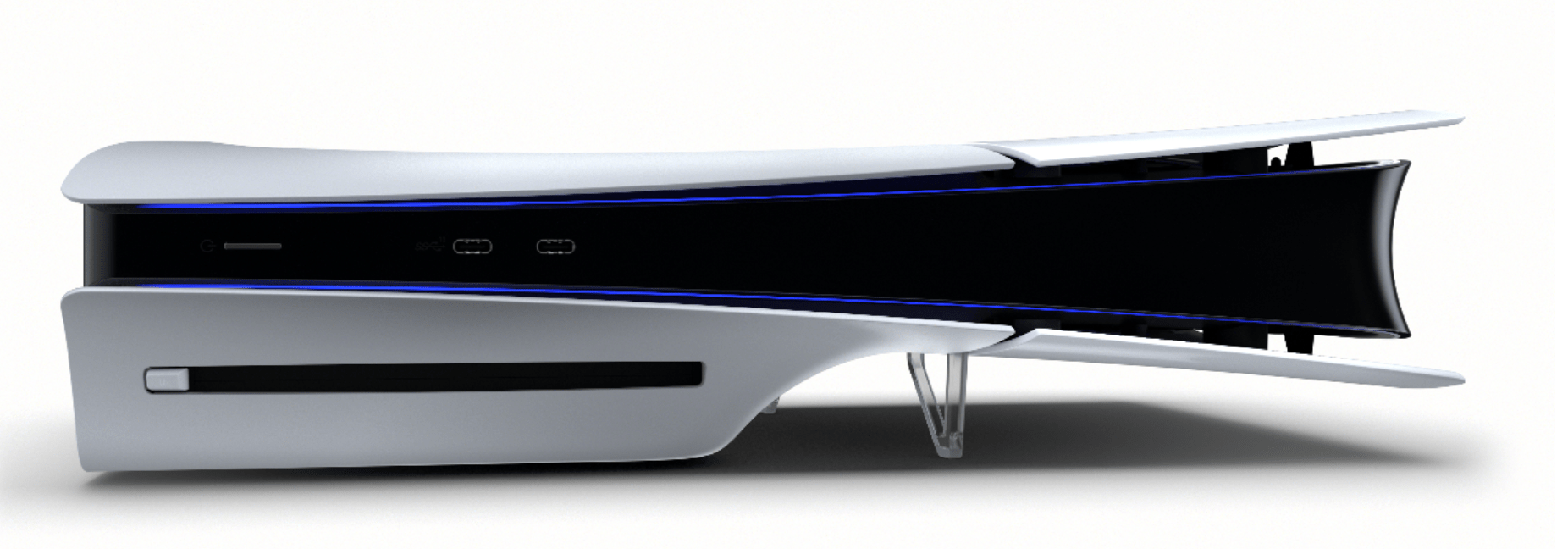
High Stakes Live Service Failures
To offset the risks of single player games, Sony heavily funded a pivot into live service, multiplayer titles to secure recurring revenue. The strategy has yielded highly volatile results. While Helldivers 2 emerged as a massive breakout hit, the high profile cancellation of The Last of Us Online after years of development resulted in hundreds of millions of dollars in wasted capital.
Escalating Manufacturing Costs
Despite strong lifetime sales for the PS5 hardware, Sony is facing escalating component costs. Global logistics disruptions and intense competition for DRAM and NAND memory hardware, driven by the global boom in AI infrastructure, have kept manufacturing costs high. Unable to find cost efficiencies in production, Sony was forced into the unpopular move of raising the base retail price of the PS5 console in Australia to protect its margins.
The PC Strategy Pivot
These hardware pressures have triggered internal friction regarding Sony’s recent strategy of releasing first party titles on PC. Sources indicate deep concerns within the business that day and, date or rapid PC launches actively erode the primary reason consumers buy a PlayStation console.
In response, Sony is reportedly executing an abrupt strategic pivot, returning to stricter console exclusivity for its blockbuster single player narrative games to defend its hardware ecosystem.
If there is any comfort for the gaming giant, it is a relative one: industry analysts note that Microsoft’s Xbox business currently finds itself in a significantly more precarious market position in Australia than Sony.