LG Dethroned Again As Samsung Crowned New King Of OLED TVs
 David Richards
21 Jul 2026
David Richards
21 Jul 2026
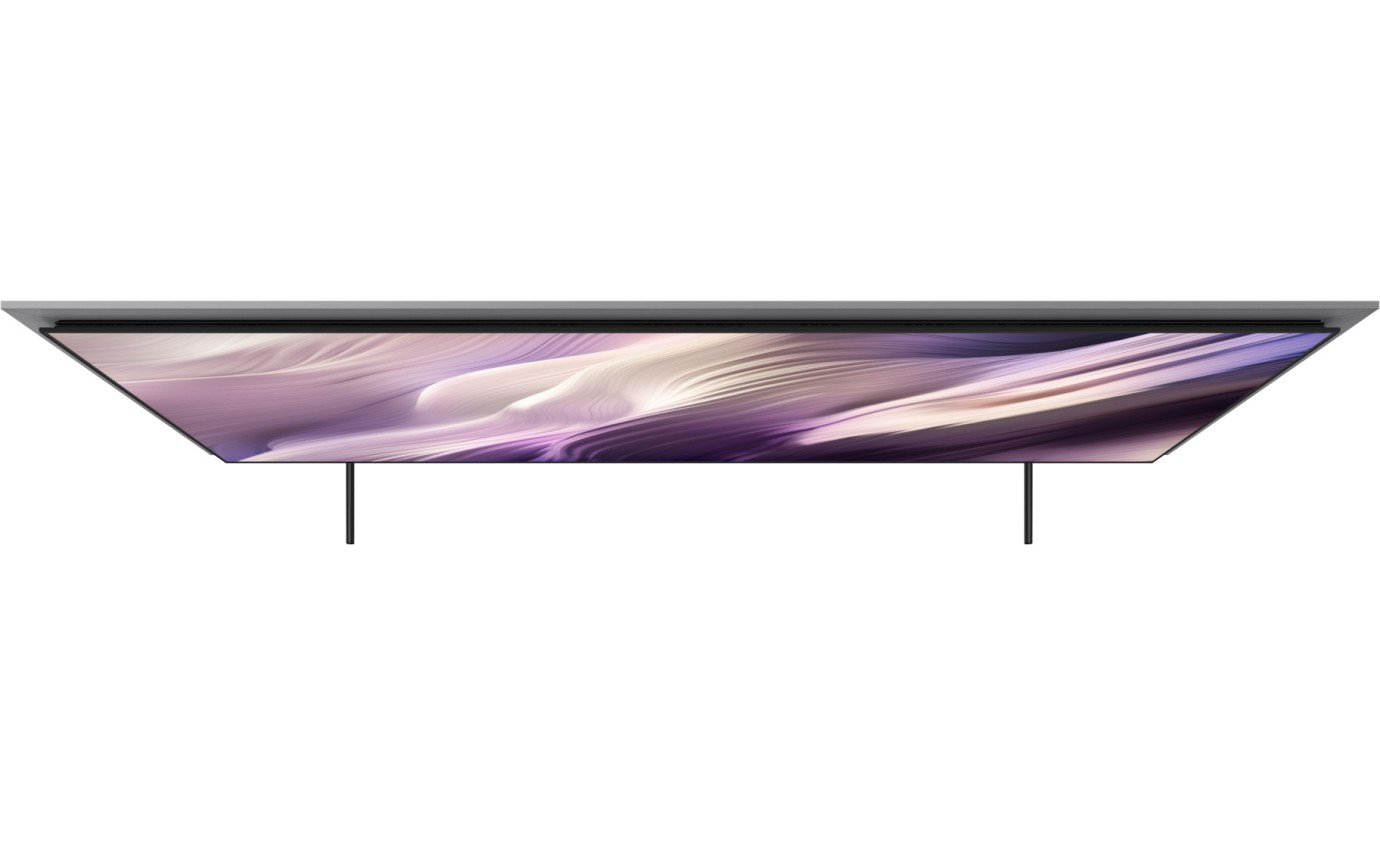
LG Electronics’ claim to OLED supremacy has suffered another major blow, with the television manufacturer failing to win the OLED category at one of the world’s most respected premium TV shootouts for the second consecutive year.
After Sony took the OLED crown last year, Samsung has now ended its rival’s seven year winning streak, with the new S95H declared the 2026 “King of OLED TV”.
LG’s flagship G6 finished a distant third.
The result is an embarrassing setback for LG, which has spent years marketing itself as the dominant force in OLED televisions and remains one of the world’s largest manufacturers of OLED TV panels.
Samsung’s 65 inch QN65S95H achieved a combined average score of 9.3 across SDR and HDR testing. Sony’s 65 inch Bravia 8 II followed with 8.0, while LG’s 65 inch G6 managed only 7.0.
LG also finished last in the emerging RGB LED category, compounding its disappointing performance across both premium display technologies.
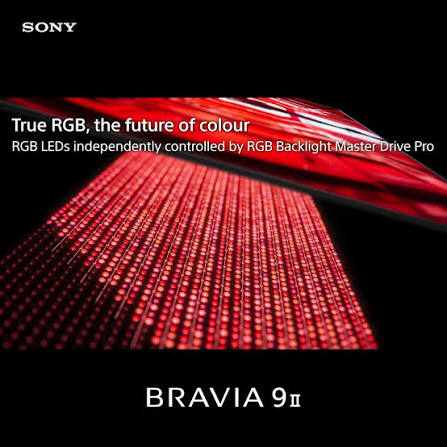
Sony’s 75 inch Bravia 9 II was crowned “King of Micro RGB TV” after recording a combined SDR and HDR score of 7.9. Samsung’s 75 inch MRN75R95H finished second with 6.2, while LG’s 75MRGB95BUA trailed with 5.2.
Sony’s win is particularly notable because the company’s RGB LED televisions are manufactured through its relationship with TCL, although TCL itself did not enter the shootout. Hisense, another major developer of RGB Mini LED technology, was also absent.
 The annual event was staged by US retailer Value Electronics and its founder Robert Zohn, with flagship televisions from LG, Samsung and Sony divided into OLED and RGB LCD categories.
Each television was evaluated against Sony’s professional BVM HX3110 reference monitor by a panel of display calibrators, video professionals, engineers and technology journalists.

Judges included former Consumer Reports television engineer Claudio Ciacci, The Verge editor in chief Nilay Patel, Chris Boylan of eCoustics and Big Picture Big Sound, Eric Masunaga of Modulus Studios, and display reviewers Cecil Meade and Teyvon Pollard.
The televisions were assessed for colour accuracy, HDR performance, shadow detail, video processing and motion handling using calibration patterns and scenes from films including 1917, The Batman, Nosferatu, Mad Max: Fury Road and Speed Racer.
According to professional calibrator and shootout organiser DeWayne Davis, this year’s improvements in OLED performance were more than incremental.
The contest also highlighted the growing battle between competing OLED technologies. LG continues to back its WRGB OLED architecture, while Samsung and Sony have adopted quantum dot OLED panels in their premium models.
Samsung’s victory suggests quantum dot OLED has now gained a clear performance advantage at the premium end of the market, leaving LG facing uncomfortable questions about whether its flagship OLED technology is keeping pace.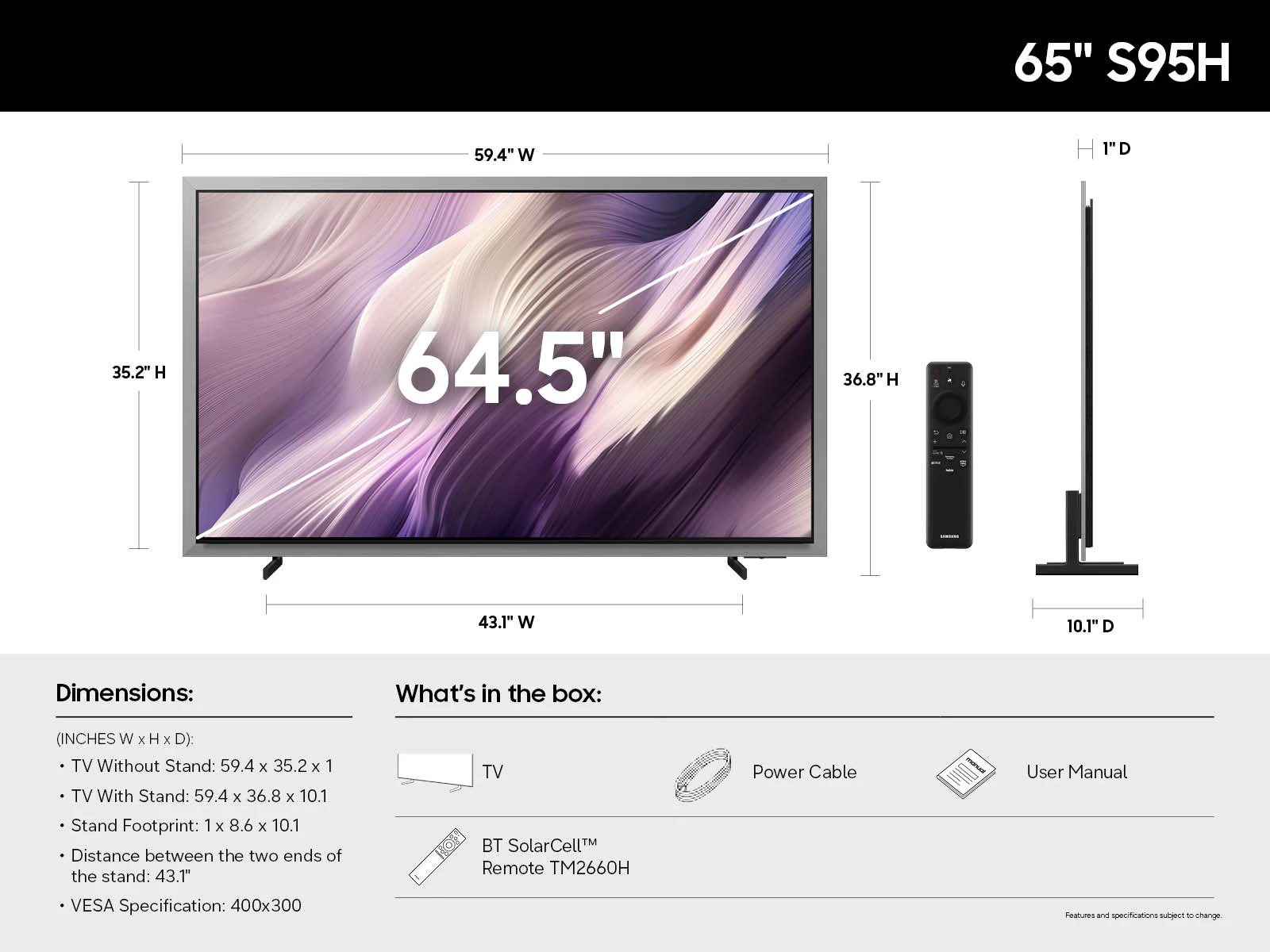
RGB LED Emerges As New Premium Rival
The addition of RGB backlit LCD televisions was another significant development for retailers.
Traditional Mini LED televisions use white LEDs behind an LCD panel. RGB LED models instead use separate red, green and blue light sources, potentially delivering improved colour volume, brightness and accuracy while retaining the basic LCD architecture.
“There’s so much buzz when it comes to the RGB based backlight for LCDs that they’re superior to or can compare now to OLED,” Davis said. “Okay, let’s put them through the run here.”
Despite the hype, judges concluded that the first generation of RGB LED televisions still fell short of OLED picture quality when viewed side by side.
The gap was reportedly obvious enough that some judges were reluctant to move away from the OLED displays, forcing Davis to jokingly “draft” participants to ensure the RGB LED models received equal scrutiny.
However, RGB LED has firmly entered the premium television conversation, creating a fresh selling challenge for retailers.
New RGB LED televisions are being positioned at prices similar to equivalently sized OLED models. With Sony, Samsung and LG now offering both technologies, sales staff will increasingly need to explain their respective strengths rather than relying on the traditional assumption that OLED is automatically the premium choice.
For LG, the bigger problem is more immediate.
The company that built much of its television reputation around OLED has now been beaten in its signature category for two consecutive years. It also finished last in the RGB LED contest, leaving LG dethroned in OLED and trailing its two biggest rivals in the next major premium television battleground.