Samsung’s Galaxy S26 Set To Get UI 8.5 As Support Ends For Older Devices
 April Ossington
10 Feb 2026
April Ossington
10 Feb 2026
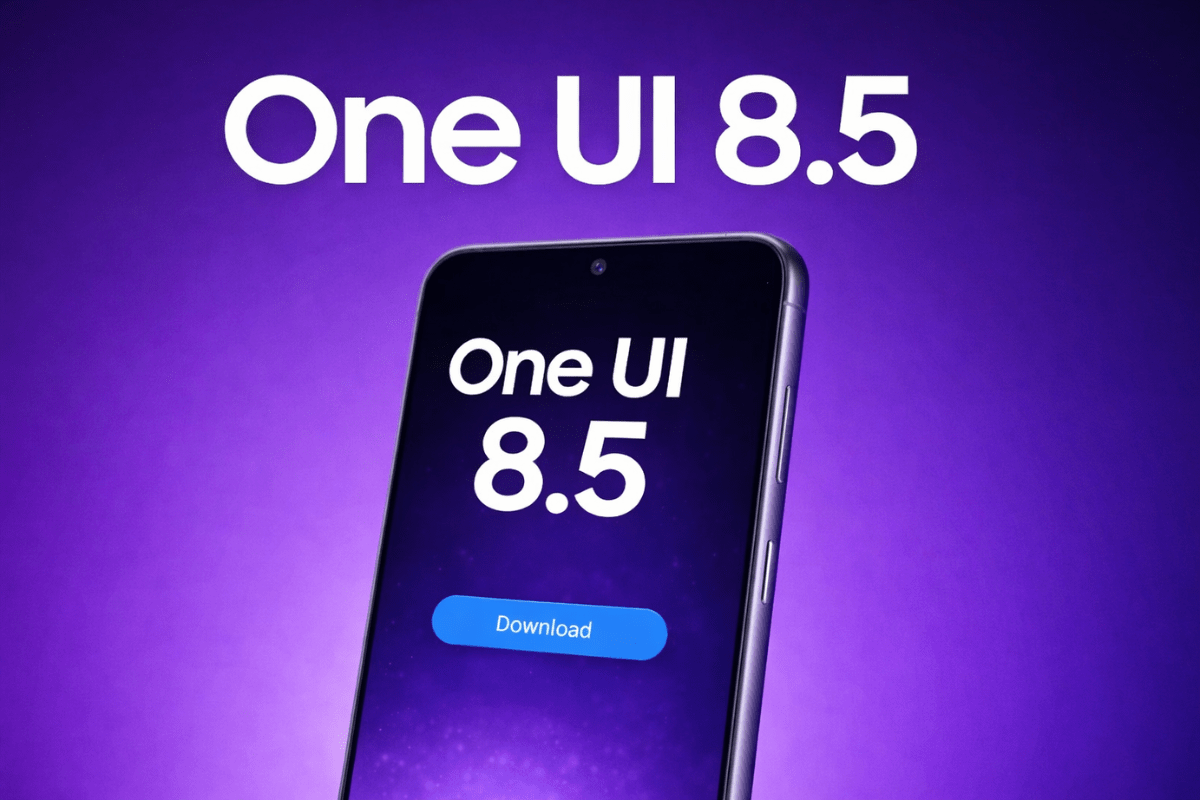
Samsung is expected to release One UI 8.5 alongside the upcoming Galaxy S26 series later this month, marking one of its most significant software upgrades in recent years. While Galaxy S25 owners have had access to the update through a beta programme for some time, the stable rollout is now imminent.
However, not all Galaxy users will be able to enjoy the new software. Samsung has confirmed that a wide range of older devices will miss out on the One UI 8.5 update, even if they previously received Android 15 with One UI 7.
Samsung has limited eligibility for One UI 8.5 to newer hardware, leaving the following devices unsupported:
Galaxy S series
-
Galaxy S21
-
Galaxy S21+
-
Galaxy S21 Ultra
-
Older Galaxy S models
Galaxy Z series
-
Galaxy Z Fold 3
-
Galaxy Z Flip 3
-
Older Galaxy Z models
Galaxy A series
-
Galaxy A23
-
Galaxy A14
-
Galaxy A05
-
Galaxy A05s
-
Older Galaxy A models
Galaxy M series
-
Galaxy M14
-
Galaxy M05
-
Older Galaxy M models
Galaxy F series
-
Galaxy F14
-
Galaxy F05
-
Older Galaxy F models
Galaxy Tab series
-
Galaxy Tab Active 4 Pro
-
Older Galaxy Tab models
Galaxy XCover series
-
Galaxy XCover 6 Pro
-
Older Galaxy XCover models
Users with devices on this list are unlikely to receive One UI 8.5 and may need to consider upgrading to a newer Galaxy model to access Samsung’s latest features and long-term software support.
Unlike incremental updates of the past, One UI 8.5 represents a substantial step forward. Although it is still based on Android 16, it uses a newer QPR2 development build, allowing Samsung to introduce deeper system-level changes.
The Quick Settings panel is now fully customisable, giving users control over the layout of toggles and sliders. Samsung’s app icons have also been refreshed with a subtle 3D effect, which extends to several first-party apps.
The lock screen has become smarter and more adaptive, automatically repositioning the clock and date so they do not obscure the main subject of the wallpaper. New fonts and water-style visuals add further personalisation.
One UI 8.5 also introduces partial-screen recording, enabling users to capture a specific area rather than the entire display. In Settings, new security features include a failed authentication lock that activates when suspicious behaviour is detected, and an intelligent blocking option that limits apps sending excessive advertising notifications.
Samsung has also refined its Photo Assist feature, allowing interrupted image generation without the need to save every iteration. Together, these changes make One UI 8.5 a well-rounded upgrade rather than a routine refresh. The update is expected to roll out to older eligible Galaxy devices a few weeks after its debut on the Galaxy S26 series.
Galaxy S26 and Samsung’s push towards agentic AI
The launch of the Galaxy S26 comes at a critical time for Samsung’s smartphone business. While the company recently reported record fourth-quarter earnings driven by strong memory chip demand, its Mobile Experience division recorded its weakest quarterly operating profit in three years, under pressure from rising component costs.
In its earnings release, Samsung revealed plans to “expand sales centred on flagship products with the launch of Galaxy S26, and strengthen leadership in the AI smartphone market through an agentic AI experience”. This marked the company’s first public use of the term “agentic AI”, signalling a strategic shift beyond traditional AI features.
Industry analysts believe this change in language is deliberate. Jan Lorbach, Senior Director of Strategic Insights at GfK, said consumers still do not see AI as a primary reason to buy a smartphone, but an intelligent agent that helps with tasks such as travel planning, shopping or scheduling could feel more meaningful.
Samsung has already promoted Galaxy AI since early 2024, with features including real-time translation, AI photo editing and Gemini-powered voice assistance. Agentic AI suggests a more proactive and integrated system that can manage tasks across apps with minimal user input.

This shift may be crucial as Samsung faces pricing challenges. The average selling price of its smartphones fell by 17 per cent over the past year, while production costs continued to rise. Analysts argue that stronger software experiences are now essential to justify premium pricing.
Samsung’s current AI experience relies heavily on Google’s Gemini, which can already perform limited multi-step actions across supported apps such as Calendar, Notes and Reminders. However, its capabilities remain constrained, and speculation is growing that Samsung may enhance Bixby to handle more context-aware, on-device tasks.
Experts say trust will be central to the success of agentic AI. Professor Choi Byung-ho of Korea University noted that users must be willing to delegate tasks fully, which requires confidence in how personal data is handled. Samsung’s Knox security platform and on-device privacy architecture could give it an advantage as AI systems become more autonomous.
While AI alone may not yet be driving mass upgrades, analysts believe Samsung is one of the few Android manufacturers with the scale and ecosystem depth to keep iterating across phones, tablets and foldables. With the Galaxy S26 and One UI 8.5, Samsung appears determined to prove that software, not just hardware, can define the next generation of smartphones.