PS6 Leak Suggests Sony Is Going Big On Memory
 Joe Gallop
10 Feb 2026
Joe Gallop
10 Feb 2026

New leaks suggest Sony’s next-generation PlayStation 6 could ship with a significant memory upgrade, potentially featuring 30GB of GDDR7 RAM – nearly double that of the current PlayStation 5.
The claims come from well-known hardware leaker Kepler_L2, who has previously shared accurate information on AMD and console architectures.
According to the leak, Sony is considering a configuration using ten 3GB GDDR7 memory modules arranged in a clamshell layout, paired with a 160-bit memory bus.
If accurate, this setup would deliver up to 640GB/s of memory bandwidth, a notable jump from the PS5’s 448GB/s.
While the bus width is narrower than some earlier speculation, the raw speed of GDDR7 is expected to compensate, offering a meaningful boost to overall throughput.
More memory and bandwidth could translate into larger and more detailed game worlds, heavier ray-tracing workloads, improved AI-based upscaling and more consistent 4K performance.
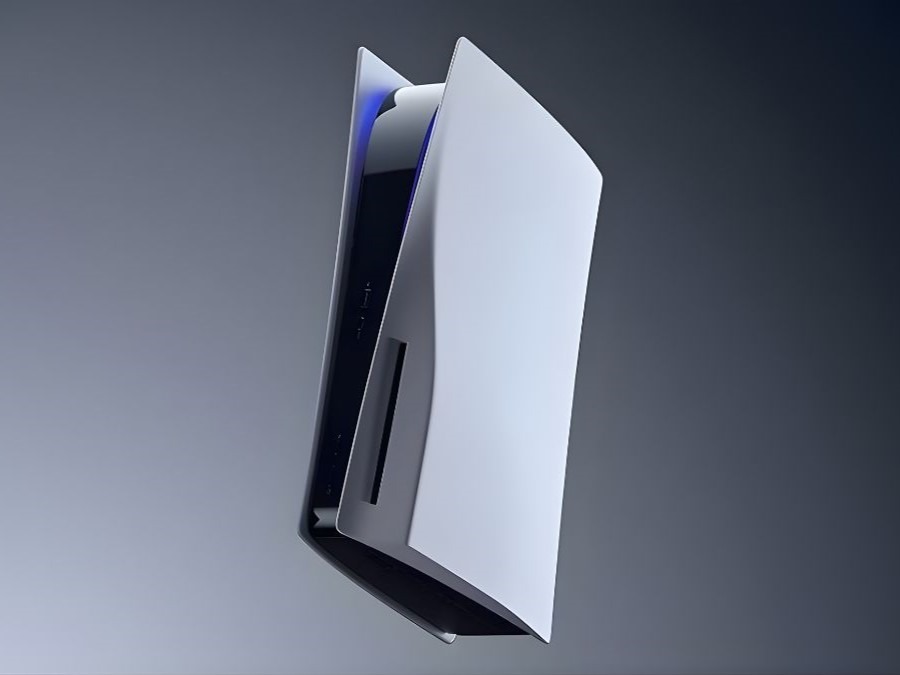
It would also give developers additional headroom as the console ages, something Sony has historically prioritised for long console life cycles.
The leak also aligns with ongoing rumours that the PS6 will use a new AMD system-on-chip, potentially based on future Zen 6 CPU cores and next-generation RDNA graphics architecture. While those details remain unconfirmed, the proposed memory configuration would support a more ambitious hardware design.
However, cost remains a major question mark. GDDR7 memory is currently expensive, with demand from AI infrastructure and data centres tightening global supply.
It’s suggested that a 30GB configuration could add significant cost to Sony’s bill of materials, potentially pushing the PS6 closer to the A$1,000 price bracket at launch.
Some commentators argue Sony could opt for less memory to keep prices down, but doing so risks limiting performance later in the console’s lifespan. For now, Sony has not confirmed any specifications.
Manufacturing timelines circulating online point to a possible PS6 launch window in 2027 or 2028, meaning plans could still change.