Samsung Moves To Ban Smart TV Apps That Secretly Shared Home Internet Connections
 April Ossington
04 Aug 2026
April Ossington
04 Aug 2026

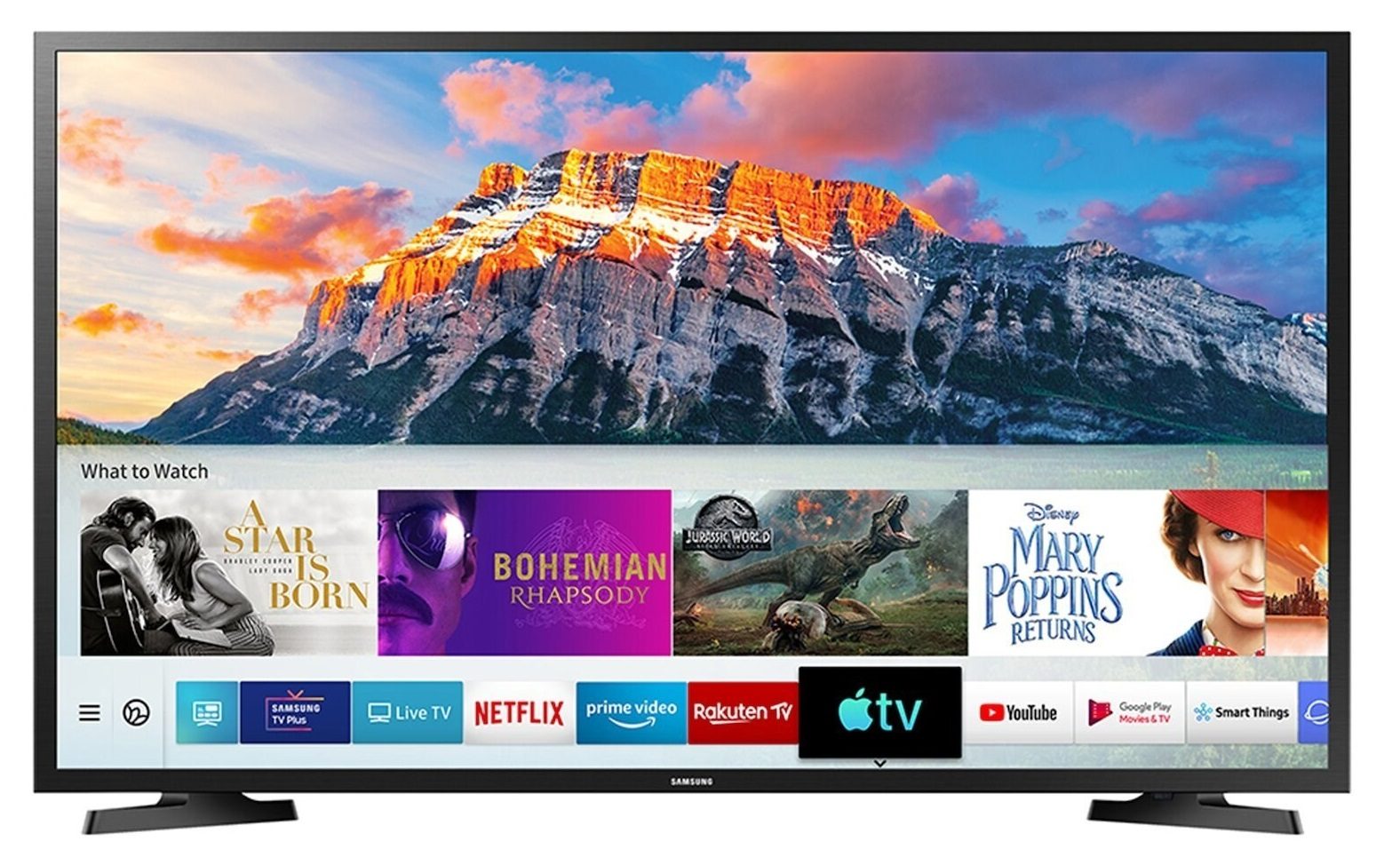
Samsung is tightening its smart TV app policies after security researchers uncovered software that was quietly using owners’ home internet connections without their knowledge, raising fresh concerns about privacy and cybersecurity.
The issue was identified by Norwegian cybersecurity company Mnemonic, which found that several Samsung TV apps contained software capable of turning a user’s internet connection into part of a residential proxy network. Some of the affected apps had reportedly been installed on hundreds of millions of devices worldwide.
Among the apps highlighted by researchers was a Pac-Man game that had previously been featured in Samsung’s own Editor’s Choice section.
According to Mnemonic, the app incorporated code developed by Bright Data, an Israeli technology company that operates a global residential proxy network. Such networks allow internet traffic from third parties to be routed through residential internet connections, making activity appear as though it originates from ordinary households.
Researchers said users could unknowingly grant permission by accepting an app’s consent screen during installation, something many people routinely do without reading the details.
More concerning was the discovery that the internet-sharing function continued operating even after the app had been closed. Researchers found the feature remained active until the application was completely removed from the television.
Mnemonic offensive security consultant Harrison Sand warned that the technology could potentially be misused if malicious code were introduced remotely. In theory, he said, a single server-side change could activate a vast number of connected televisions without requiring any further action from owners.
During his investigation, Sand observed internet traffic passing through his own television that appeared to be associated with large-scale LinkedIn data scraping and the collection of information used for artificial intelligence training. He noted, however, that his observations represented only a small portion of Bright Data’s wider network.
Samsung has since responded by introducing new restrictions for its smart TV app ecosystem.
The company told TechCrunch it is prohibiting applications that use proxy-sharing technology, has already blocked developers from submitting new apps containing those functions and is reviewing existing software to identify and remove offending applications from its TV app store.
Samsung’s action follows similar measures introduced by rival manufacturer LG. Last month, LG also banned proxy-enabled applications after reports claimed approximately 42 per cent of apps available through its smart TV store included comparable functionality.
The findings serve as a reminder that smart televisions are increasingly connected devices capable of running complex software beyond streaming services. Security experts recommend regularly reviewing installed apps, deleting those that are no longer used and limiting downloads to trusted developers to reduce potential privacy and security risks.