UPDATE: Samsung Turns Smart Fridges into Ad Screens — Despite Consumer Backlash Against Intrusive Advertising
 David Richards
28 Oct 2025
David Richards
28 Oct 2025
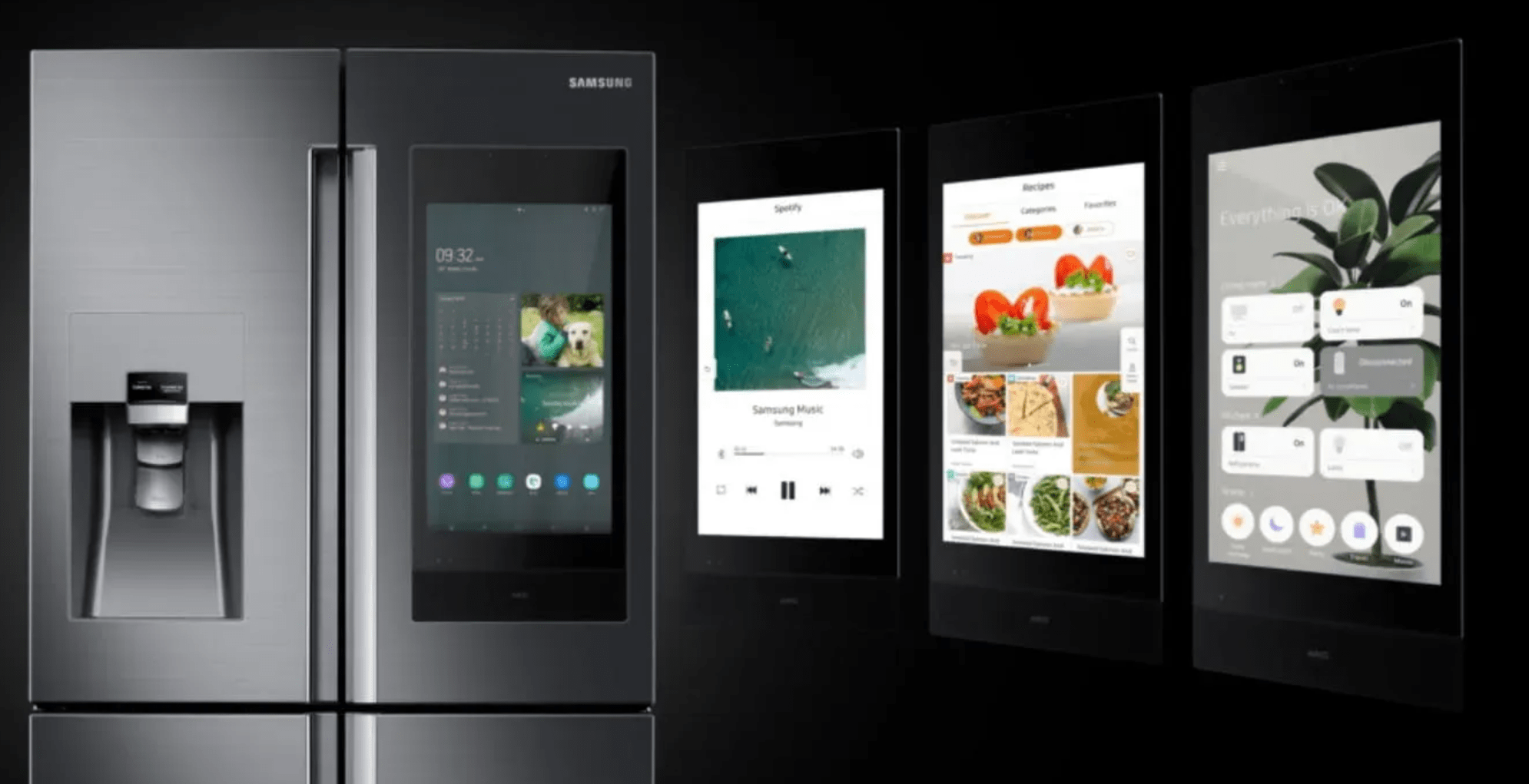
Samsung appears to have ignored mounting research showing that consumers have had enough of intrusive advertising.
The South Korean tech giant, which continues to struggle in the Australian appliance market, is now attempting to monetise the 32-inch display screens built into its Family Hub refrigerators — by turning them into digital billboards.
The good news for some is that advertising on their displays is not coming to Australia yet.
According to a Samsung spokesman, the company currently does not have plans to expand the advertisement service outside of the U.S.
Studies from Deloitte and other research firms consistently show that consumers resent advertising that invades their personal space, particularly ads delivered through smart TVs or home appliances. Yet Samsung — along with rival LG Electronics — is moving in the opposite direction.
LG has already been criticised for inserting ads into its smart TVs while also selling viewing data to advertisers. Now Samsung is following suit, preparing to roll out embedded ads on its $3,900 to $5,900 Family Hub fridges starting November 3.
According to Shane Higby, head of Home Appliance Business at Samsung Electronics, the new feature will debut in the U.S. initally.
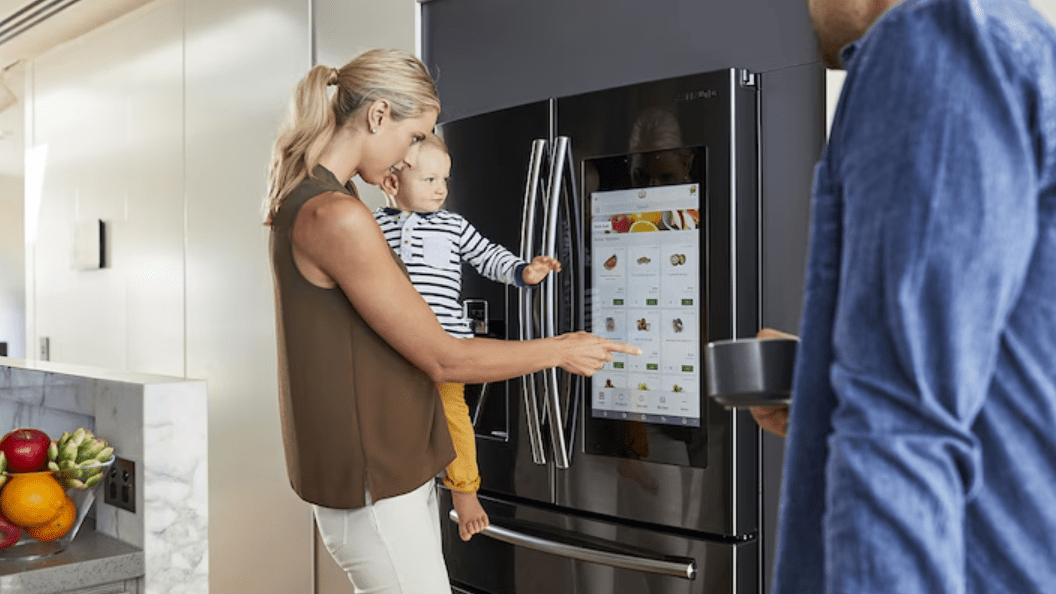
Samsung who are selling advertising directly to ad agencies and brands claim that their products can now “Put the power of the world’s #1 Smart TV and mobile brand to work for your business. No matter your goals, Samsung’s extensive device ecosystem, first-party data and cutting-edge solutions unlock unmatched reach, unrivaled engagement, and end-to-end performance so you can achieve the results you need most”
They further claim that their widgets and solutions that are being rolled out on their refrigerators are “Built to perform”.
“Convert Samsung consumers into your loyal customers and drive measurable impact with our suite of end-to-end solutions. Unlock the full potential of Samsung’s device ecosystem by combining our solutions to inspire action, maximize engagement, and drive next-level performance” management claim.
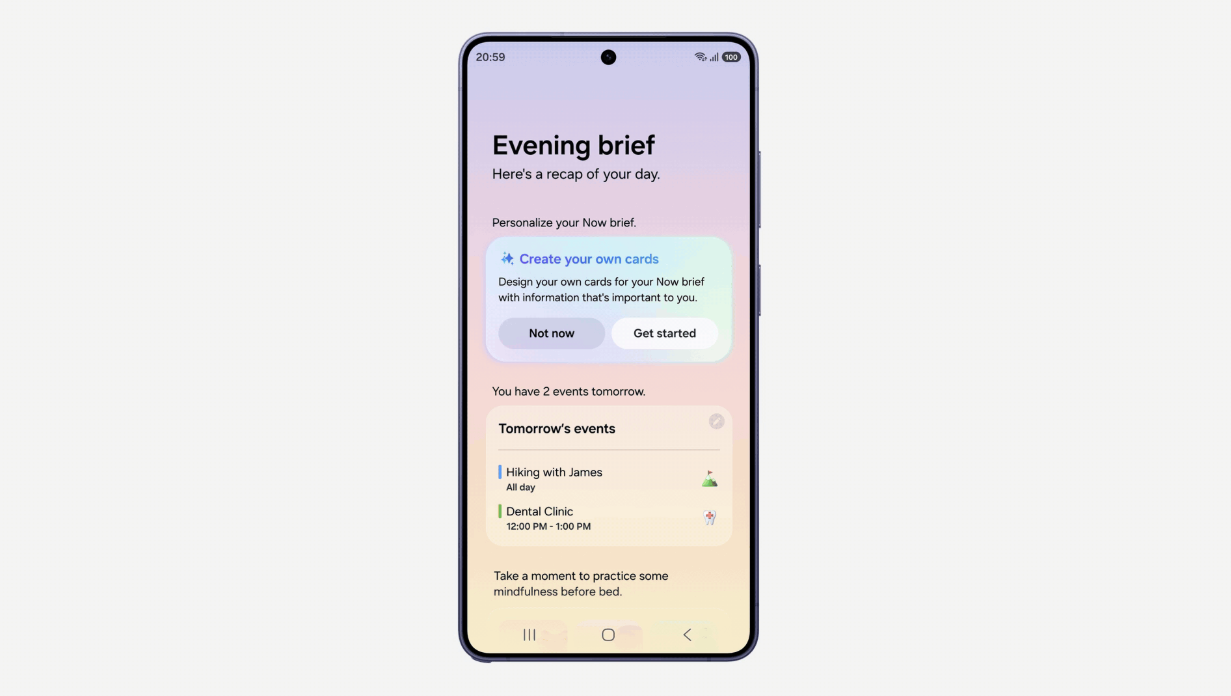
The ads will appear through a new “widget” on the fridge’s main screen, cycling between four panels showing news, calendar events, weather updates, and “curated advertisements.”
The Verge reports that the widget will sit at the bottom of the fridge’s display, automatically rotating every 10 seconds. Users can manually swipe through the panels, though the ads will only appear in certain “themes” — not in the Art or Album modes.
Samsung has confirmed that, at least initially, the ads will promote only Samsung products and services. External brand advertising is planned for next year — except from direct competitors.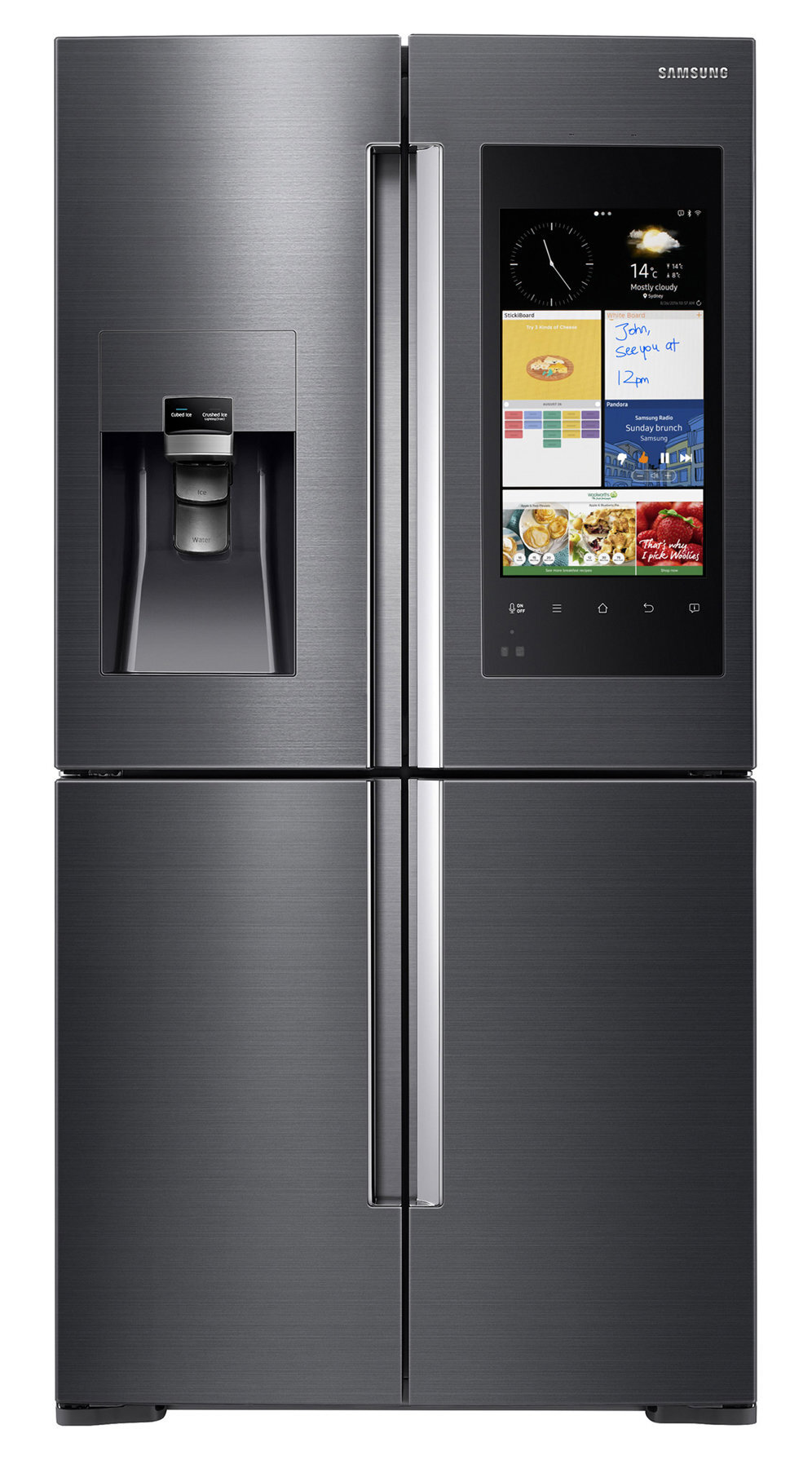
For consumers who purchased the premium Family Hub expecting a convenient smart display, the change effectively turns their fridge into a household ad platform. Even worse, early indications suggest the feature will be enabled by default through a software update.
While Samsung claims users will be able to disable ads through the fridge’s Settings menu — by navigating to Settings → Advertisements → Toggle Off — it’s unclear how prominently this option will be displayed, or whether it will persist after future updates.
In an email to The Verge, Higby confirmed the first wave of ads will promote Samsung products ahead of Black Friday, though it remains unclear whether these will link to retail partners or direct-to-consumer sales via Samsung’s website.
“Future promotions will depend on the feedback and insights gained from the program,” Higby said.
Samsung Ads executive Travis Scott Howe recently described the initiative as a way for brands to bring “your brand message to every screen in the connected home.”
But analysts warn that this move could further erode consumer trust in smart appliances. While Samsung insists its Family Hub ads are “contextual or non-personal” and that no private data is being collected, critics note that similar assurances from other tech companies — including LG — have proven questionable.
The larger issue, experts say, is not just annoyance but privacy. As connected devices continue to gather vast amounts of user data, consumers are increasingly concerned that their kitchens and living rooms could become the next frontiers for targeted advertising.
For now, Samsung may be testing the limits of what consumers are willing to tolerate — and many believe it’s already gone too far.