Samsung Tipped to Exit SATA SSD Market As AI Demand Reshapes Memory Industry
 Joe Gallop
16 Dec 2025
Joe Gallop
16 Dec 2025
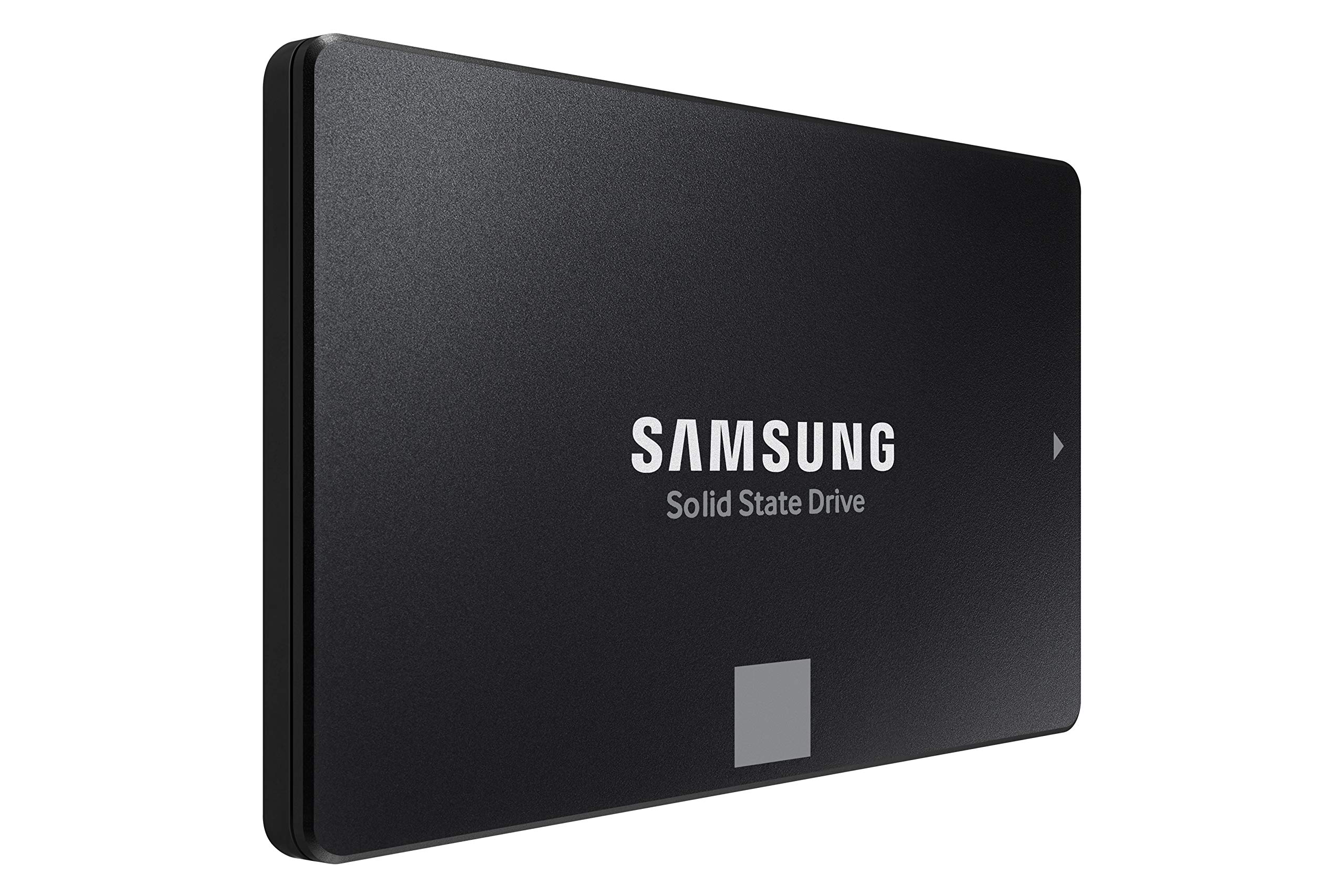
Samsung is reportedly preparing to wind down production of consumer SATA solid-state drives, signalling the beginning of the end for one of the most widely used storage formats in PCs and external drives.
According to multiple industry reports and well-known leaker Moore’s Law Is Dead (MLID), Samsung plans to stop making SATA SSDs after fulfilling existing supply contracts, potentially starting from 2026.
While the company has not confirmed the move, the information has been echoed across several supply-chain and financial reports.
SATA SSDs may no longer be cutting edge but they remain a cornerstone of the budget PC market.
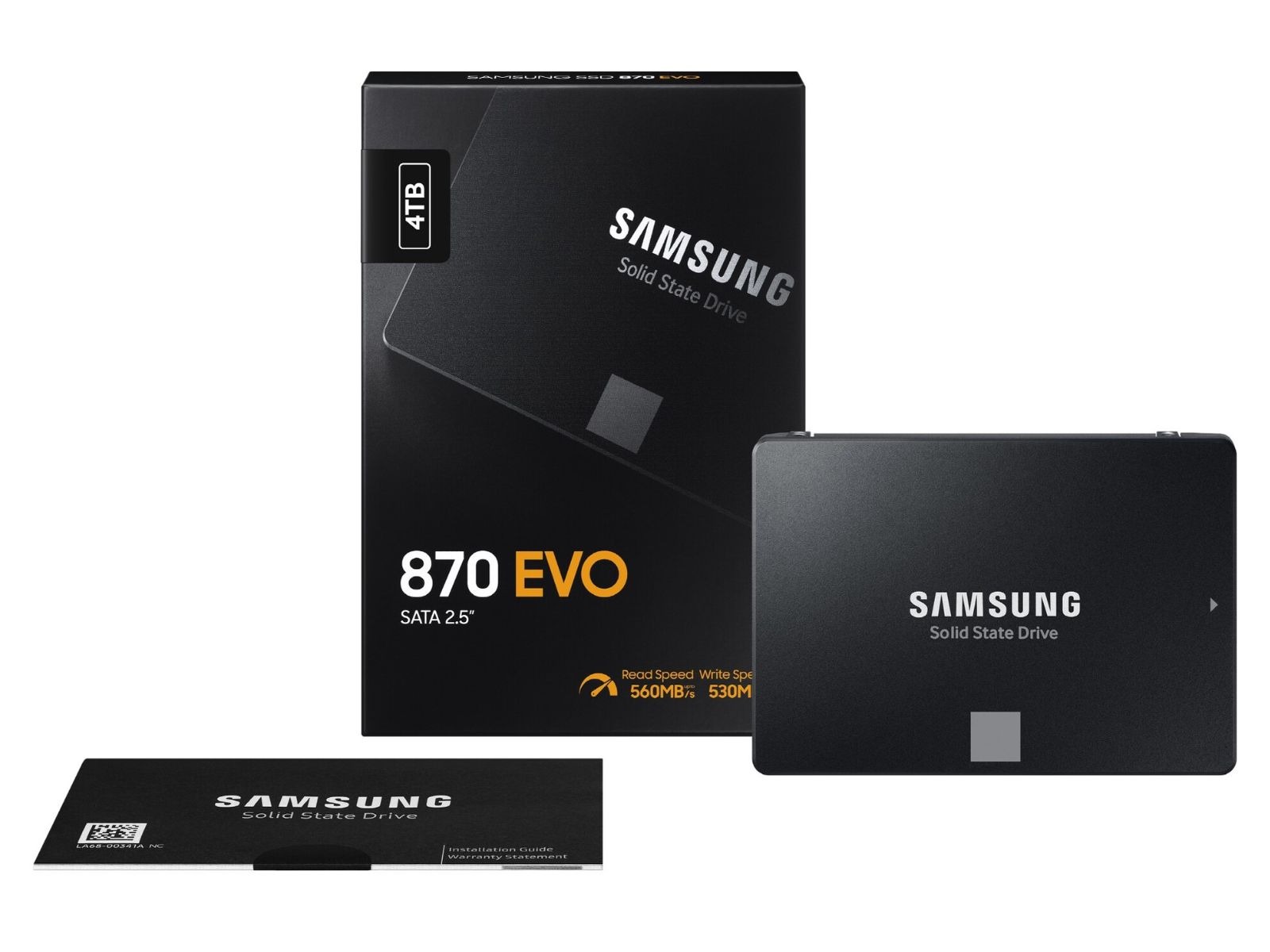
They are widely used for affordable laptops, desktop upgrades, external enclosures and older systems that don’t support faster NVMe storage. Even in 2025, SATA drives continue to sell in large volumes through retail channels.
That’s what makes Samsung’s reported exit significant.
Samsung is one of the world’s largest suppliers of finished consumer SSDs, and MLID claims roughly one-fifth of top-selling SSD listings on major online retailers still use the SATA interface.
Removing that level of supply could tighten availability across the broader SSD market, not just SATA models.
The reported decision comes amid mounting pressure on global memory supply.
Samsung is said to be reallocating NAND flash production towards higher-margin datacentre and AI customers, while also expanding its focus on DRAM and high-bandwidth memory (HBM) used in AI servers.

Industry data suggests NAND flash prices more than doubled in the second half of 2025, driven by surging AI infrastructure demand.
Other players are making similar moves.
Micron recently announced it would exit parts of its consumer memory business to prioritise AI-focused supply, while PC makers including Dell and Lenovo have warned of rising component costs flowing through to end users.
For Australian consumers, the short-term impact is unlikely to be immediate.
SATA SSDs should remain available through 2025 and alternatives from other manufacturers will continue to exist. But if Samsung does pull the plug, prices for budget SSDs could rise, and choice may narrow over time.
Samsung has made no official announcement.