It’s Offical LG Electronics Expand Direct Sell Model, Introducing New Subscription Model For TV’s & Appliances
 David Richards
16 Dec 2025
David Richards
16 Dec 2025
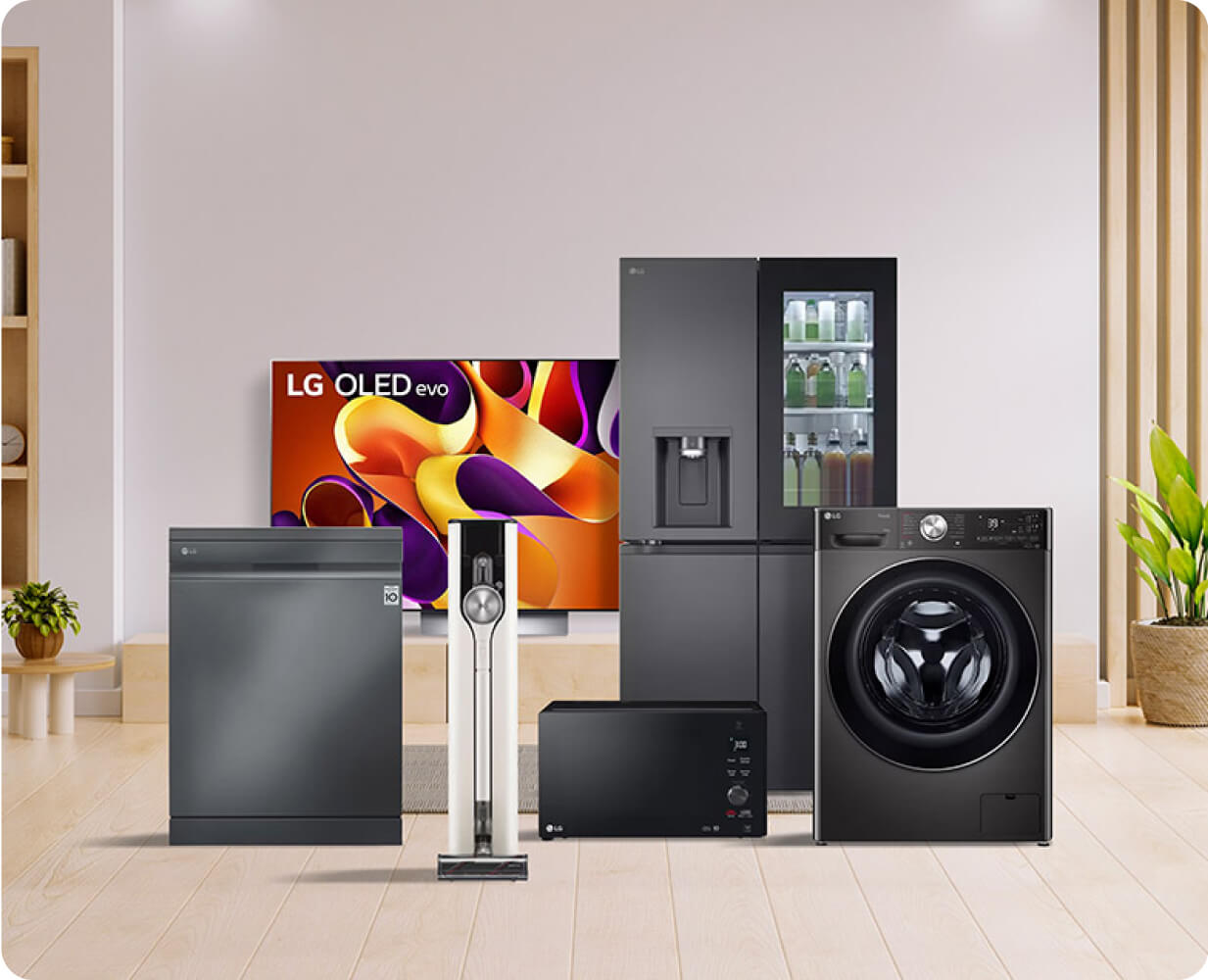
Facing pressure from slowing OLED TV sales, LG Electronics has officially confirmed that they will in 2026 move to expand their direct sell of appliances to consumers, reducing its reliance on traditional retail channels.

Kim Jaesung, regional CEO of LG Electronics Asia Pacific,
According to Kim Jaesung, Regional CEO of LG Electronics Asia Pacific and Australia, the company is rolling out five new sales models designed to accelerate growth and improve margins from direct selling Vs having to pay high margins to retailers.
A key priority for 2026 is the significant expansion of LG’s direct-to-consumer (DTC) business through its own website. Another major initiative is the introduction of direct-sale subscription models, where customers pay recurring fees for access to appliances and ongoing after-sales services.
LG is also expanding its collection of consumer data, gathering detailed confidential information about how customers use LG products. This data is reportedly monetised through sales to third parties, generating substantial revenue for the company.
These moves have angered Australian retailers who currently sell LG products. Several retailers have expressed concern that they are being reduced to “demonstration stores” while LG shifts sales online.
One Harvey Norman franchisee warned that LG risks losing retail support altogether. “One day they will find their products removed from our stores and replaced by Chinese brands,” he said. “The question is whether that time is now, and whether those brands can replace lost LG appliance and TV sales.” He added that Hisense and TCL are already eroding LG’s TV market share, noting that LG no longer manufactures LED or RGB LED TVs itself.
The retailer also confirmed that LG’s LED TVs are manufactured by Chinese brand TCL, which also produces TVs for several competing brands.
“We will aim for qualitative rather than quantitative growth that improves profit margins,” Kim said in a recent interview with Nikkei Asia. LG aims to lift sales from its five new direct-sales businesses by between 5% and more than 30%.
One area already delivering results is LG’s appliance subscription model, which bypasses retailers entirely. According to industry insiders, LG Electronics is actively exploring the launch of this model in Australia.
LG management says that in Asia-Pacific markets such as Singapore, Malaysia, and Thailand—where the subscription model has already been introduced—customers benefit from affordable access to premium appliances.
The company believes Australia’s growing immigrant population will be more inclined to subscribe to appliances rather than purchase them outright from retailers.
Meanwhile, Chinese manufacturers continue to strengthen their presence in Australia. Midea Group, which recently established an Australian office, is accelerating growth of the Toshiba home appliance brand it acquired. Hisense Group and Haier—owner of Fisher & Paykel—are also investing heavily in appliances such as refrigerators and washing machines, alongside televisions.
Despite this competition, Kim remains confident. “LG is putting up a good fight,” he said. “None of our products has suffered a year-on-year decline in market share.”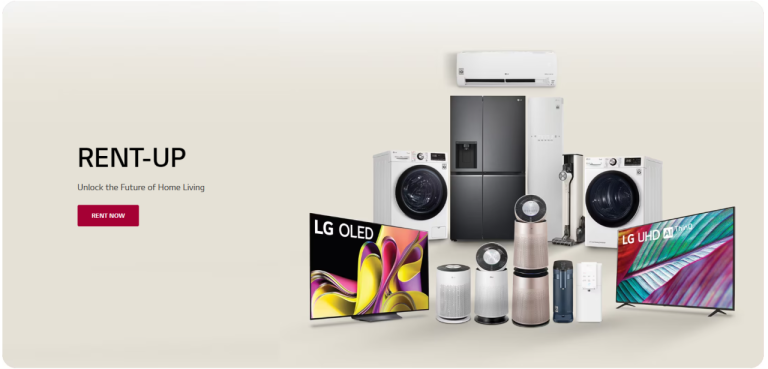
Kim believes LG’s strong brand recognition in categories such as OLED TVs, clothing-care appliances, and air purifiers will help maintain its position with retailers.
An LG Electronics Australia executive told ChannelNews that retailers “need LG more than LG needs retailers,” arguing that consumers increasingly shop online and that LG has multiple marketing channels that do not rely on physical stores. The executive also described doing business with Australian retailers as “expensive,” citing some of the highest retail margins in the world.
Samsung is also expanding its direct-sales model in Australia, reporting more than 100% growth in online sales.
Revenue and Growth Drivers
LG Electronics reported diversified growth across appliances, B2B, and its direct-to-consumer channel. As a result, the company is investing in improved e-commerce capabilities and AI-enhanced online product discovery platforms, aiming to capture sales directly and reduce retail margins estimated at 30–45%.
For Q1 2025, LG reported year-on-year revenue growth of more than 9% from direct and online sales.