Samsung Confirms Galaxy Ring 2 As AI Health Battle Heats Up
 Joe Gallop
01 Jul 2026
Joe Gallop
01 Jul 2026
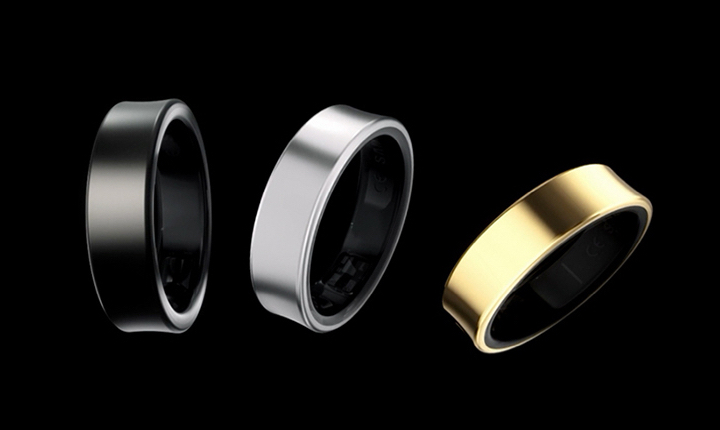
Samsung has confirmed that a second-generation Galaxy Ring is in development, as the company ramps up its push into AI-powered health tracking and continuous monitoring.
Dr Hon Pak, Samsung’s Senior Vice President and Head of the Digital Health Team, said the company is “working on the next generation” of its smart ring, although he stopped short of confirming a launch date, price, specifications or markets.
The wearable, widely expected to be called the Galaxy Ring 2, would follow the original Galaxy Ring (pictured) launched in 2024, which marked Samsung’s first major move into the smart ring category.
The move comes as competition in smart rings intensifies, with Oura now several generations into its own wearable ring lineup, while Ultrahuman has also gained traction with its Ring Air, putting pressure on Samsung to improve battery life, comfort and health insights.
Pak indicated that Samsung is looking at improvements to sensors and battery life but said the real battle in smart rings would be fought in software, with rival devices already using broadly similar hardware.

“If you look at the comparison of other rings, regardless of the competitor, the sensors are not that different right now,” Pak told Forbes. “It’s really about what services you create on the top layer.”
That points to Samsung using the next Galaxy Ring as part of a wider Samsung Health ecosystem, rather than as a standalone fitness tracker.
The company is developing health tools that establish personal baselines from overnight readings including heart rate, respiratory rate and blood oxygen levels, then alert users when their data moves outside their normal range.
Samsung is also working on a Heart Health Score designed to link sleep, nutrition, activity and stress with cardiovascular risk.
Pak said Samsung’s broader ambition is to move health tracking from reactive warnings to preventive insights, using AI to interpret data from the Galaxy Ring, Galaxy Watch, smartphones and SmartThings-connected devices.

Samsung is also planning AI coaching that learns how individual users respond to different prompts, including the timing and tone of health nudges.
One of the biggest unanswered questions is whether the next Galaxy Ring will work with iPhones. The current Galaxy Ring is tied to Android and works best with Samsung Galaxy phones.
When asked about iOS compatibility, Pak did not confirm support but hinted that broader compatibility could be coming, saying: “I’m smiling, but I can’t say anything. I think you’ll be very pleased with some of the releases and the upcoming news.”
Reports have suggested Samsung may target better battery life, improved comfort and more accurate health sensors, although none of those upgrades have been formally announced.
Samsung’s push also comes as lower-cost rivals try to broaden the category, with Rogbid recently launching a US$99.99 smart ring with a built-in display and vibration alerts to take on Oura, Ultrahuman and Samsung.