World’s Fastest Growing Premium Phone Brand Oppo Uses Camera Hardware, Not AI Hype, To Take On Apple Motorola & Samsung
 David Richards
16 Aug 2026
David Richards
16 Aug 2026

Oppo is the fastest growing premium smartphone brand in the world, up 69% year on year in the first half of 2026 according to Counterpoint Research, and the Chinese Company is using camera hardware rather than AI marketing as its wedge into the Apple and Samsung premium duopoly.
While competitors Samsung and Motorola pour resources into foldables, Oppo has gone where they cannot, developing a clever snap-on camera attach kit that accelerates its premium Find X offering directly into the fast growing traditional camera market.
The growth claim is no idle boast. Counterpoint’s Global Handset Model Sales Tracker shows the Find X9 series drove Oppo’s 69% surge in the global premium segment, defined as smartphones with a wholesale price of US$600 and above, in H1 2026, the fastest growth of any brand, ahead of Vivo on 20%, at a time when Apple and Samsung together still control 84% of premium sales.
I found out just how serious this Company is during a recent visit to their new development centre in Shenzhen, China.
Camera Hardware As The Wedge
Central to the strategy is the Hasselblad Professional Teleconverter Kit, a unique snap-on optical zoom extender that takes the Find X9 Pro’s 70mm telephoto and extends it by a factor of 3.28x to 230mm.
The $699 kit, which includes the lens, two adapters and a magnetic case, is sold exclusively through Oppo Australia’s online store, and is ideal for travellers or businesses that want serious photography capability without investing in a full SLR body and lens kit.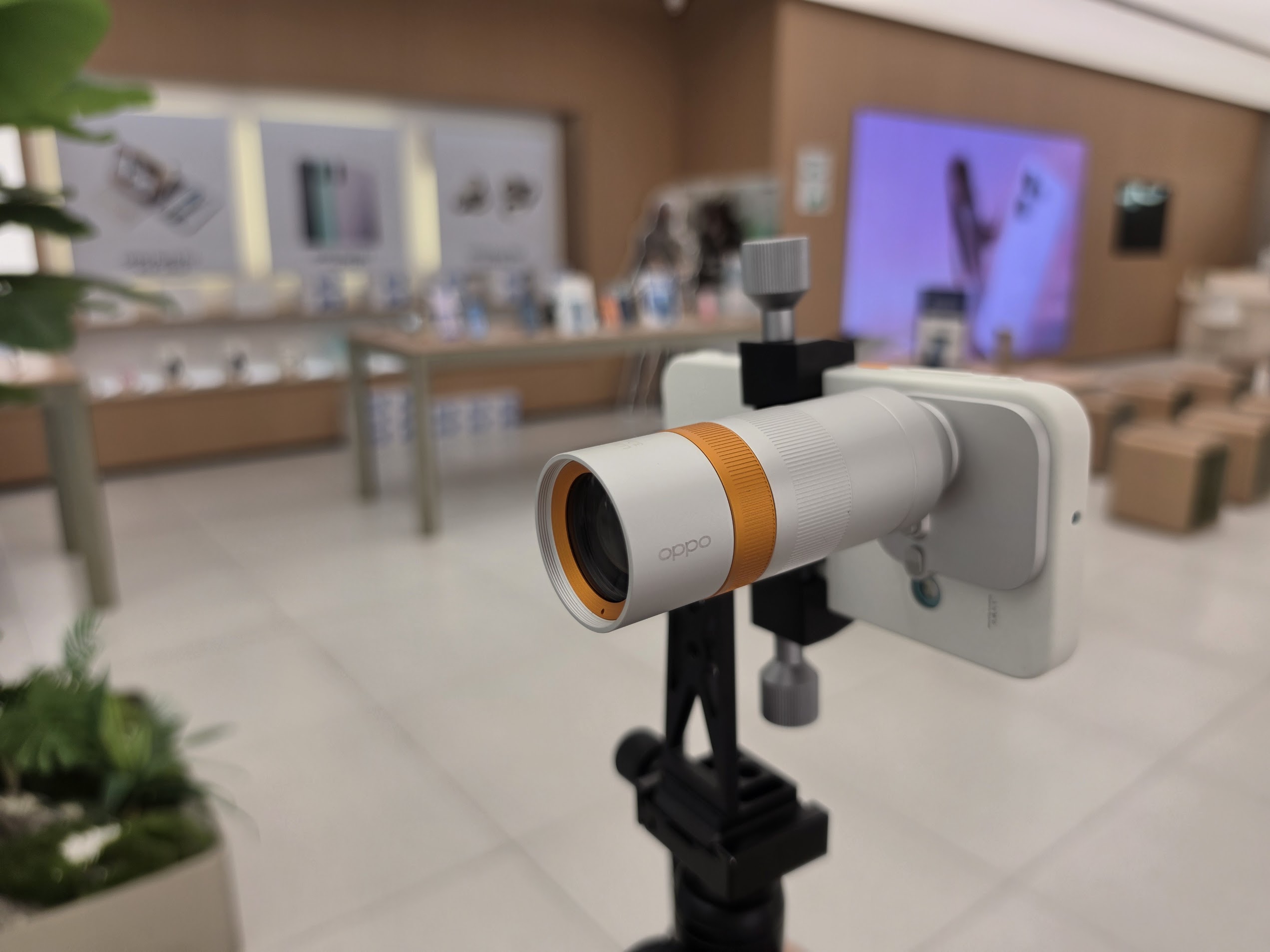
Oppo has also unveiled a step-up Hasselblad Explorer Kit, which includes an Explorer Case with a two-stage shutter and focus button and a zoom dial for a traditional camera feel, plus a 300mm Explorer Teleconverter housing 16 glass elements in a full-metal body. Mounted to the phone’s 3x telephoto, it delivers a 300mm-equivalent focal length and 13x optical zoom, with Oppo claiming optical-quality zoom up to 1380mm, 4K 60fps Dolby Vision ultra-telephoto video, and a Kepler optical architecture with ED glass and anti-glare coating at F2.2.
The timing is smart. Global camera shipments hit 9.44 million units in 2025, up 11.2%, the second consecutive annual increase and the first back-to-back rise in nearly 20 years, making 2025 the best year for camera sales in more than five years, with Australian retailers reporting significant demand for small format cameras. Oppo appears to have tapped directly into that consumer flight back to dedicated imaging.
A Decade Of Imaging Firsts
Oppo has positioned imaging as its differentiator for a decade, and its partnership with legendary camera brand Hasselblad now sits at the centre of the Find X line.
The Company showed the first periscope telephoto module at MWC 2017 and shipped it in the 2019 Reno 10x Zoom, ironically the very architecture Samsung and Apple eventually moved to. Earlier firsts include the N1’s rotating camera in 2013, the motorised shark fin pop-up on the Reno, under-display camera prototypes, and 10x hybrid optical zoom before anyone else shipped it.
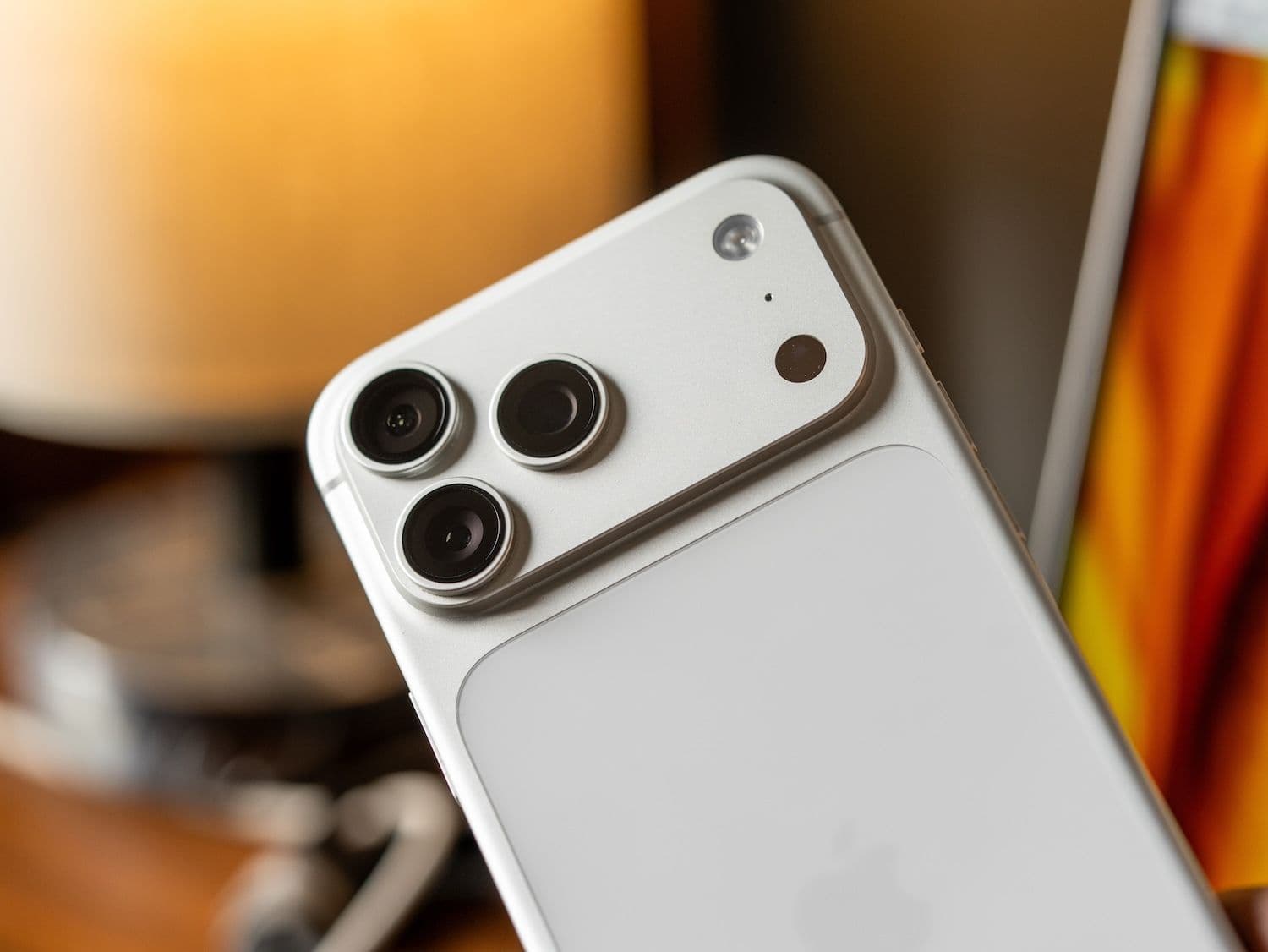
The flagship $2,229 Find X9 Pro, ranged at JB Hi-Fi, carries a 200MP Hasselblad telephoto system co-developed with the Swedish camera maker, with Hasselblad sensor calibration and optical design powered by Oppo’s LUMO Image Engine, delivering 4K 120fps Dolby Vision and LOG recording with ACES support for pro-grade editing.
From Smiley Face To Global Top Four
Founded in Guangdong in 2004 as a maker of MP3 players and Blu-ray players before launching its first phone, the Smiley Face, in 2008, Oppo has grown into one of the most formidable forces in the global mobile industry. The Company rode the explosion of China’s smartphone market through the 2010s, built a retail distribution machine across Asia that rivals could not match, and expanded into more than 60 markets worldwide.
It cracked the global top five within a decade of shipping its first handset and has held a top four position for years, at times climbing to number three. Today the privately held Company employs roughly 40,000 people and spans the Find and Reno smartphone series, the ColorOS operating system, tablets, earbuds and wearables, with billions poured into in-house silicon development. Unlike Apple, Oppo manufactures its own products, a vertical integration advantage that has underpinned its ability to move fast on hardware innovation such as the new camera attach kits.
The scale is hard to miss on the ground. Arriving one Sunday morning at Oppo’s latest office building in Shenzhen, where thousands are employed, I noticed a brand new apartment complex facing a sweeping park opposite. At first I assumed the Oppo logo atop one of the towers, which looked much like the apartment blocks springing up around Australia, was simple advertising. It wasn’t. As my guide explained, the complex is staff accommodation for over 10,000 workers.
Premium Is The Growth Engine
IDC puts Oppo at 30.7 million units shipped in Q1 2026 for 10.5% global share, in fourth place behind Samsung (21.2%), Apple (21.0%) and Xiaomi (11.5%). Motorola does not feature in the top five.
The sharpest way to read the numbers is this: Oppo’s overall volumes have shrunk alongside the broader market, which IDC says fell 4.1% in Q1 2026 amid acute memory supply constraints, yet its premium business is growing at 69%. According to Oppo management, the Company is strongly positioned to keep growing as rival brands struggle with memory cost pressures, and premium is the growth engine right now, with new products set to be released shortly.
Beyond phones, Oppo is also credible in foldables, with the Find N6 rated one of the better book-style foldables and ranged in Australia, alongside a growing accessories play spanning the Pad 5 tablet, Enco earbuds and Watch X3.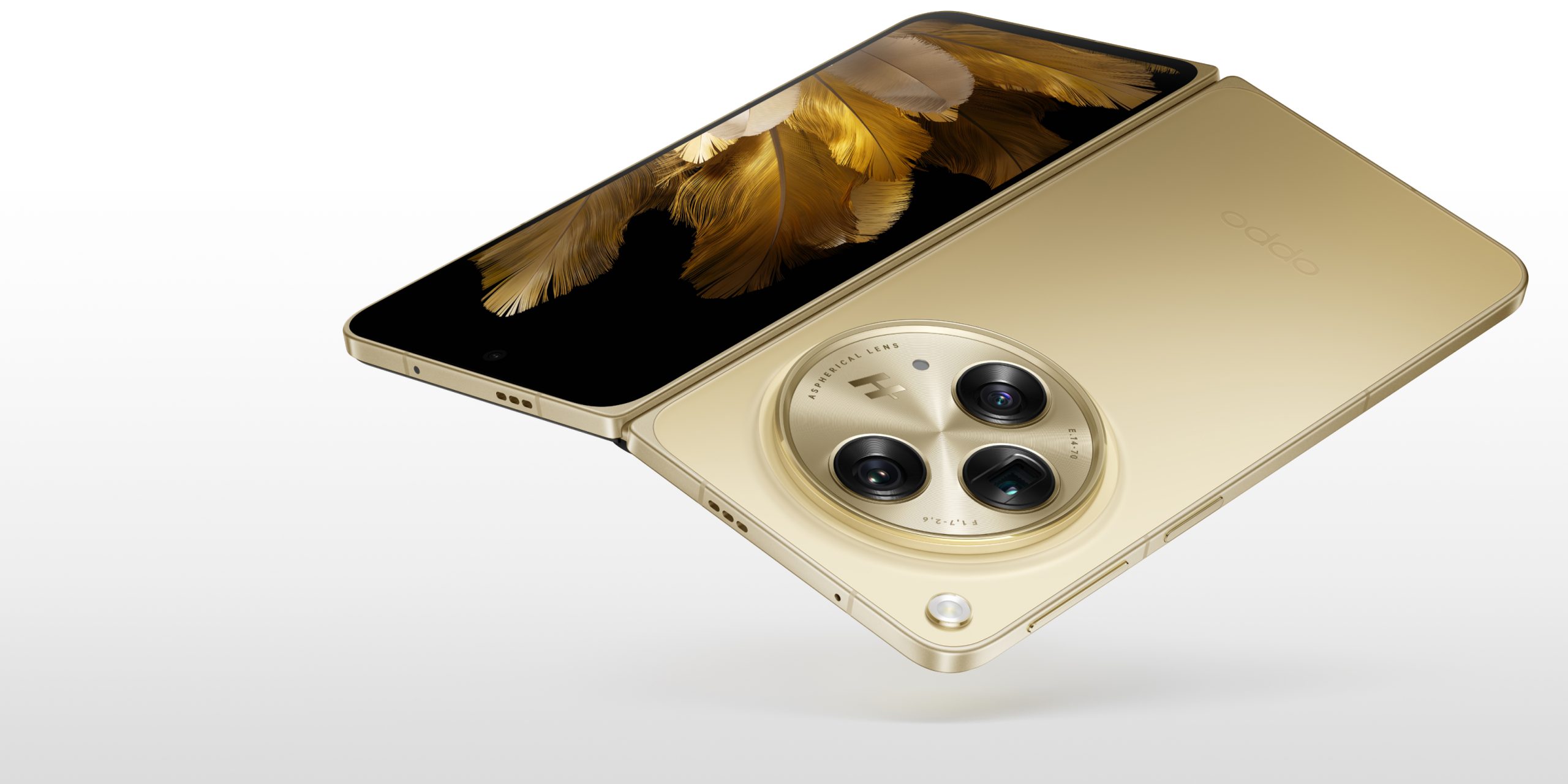
The Australian Question
In Australia, retailers and carriers have positioned Oppo in the affordable premium and value segments. But local customers wanting the top-end Find X premium experience and the camera attach kits are heading to the Company’s own online store, where management says demand for the kits is growing.
The unresolved local question remains whether Australia gets the Ultra.