EXCLUSIVE: Motorola Takes Direct Aim At Samsung’s Premium Foldable Monopoly As Android Smartphone War Explodes
 David Richards
01 Jul 2026
David Richards
01 Jul 2026
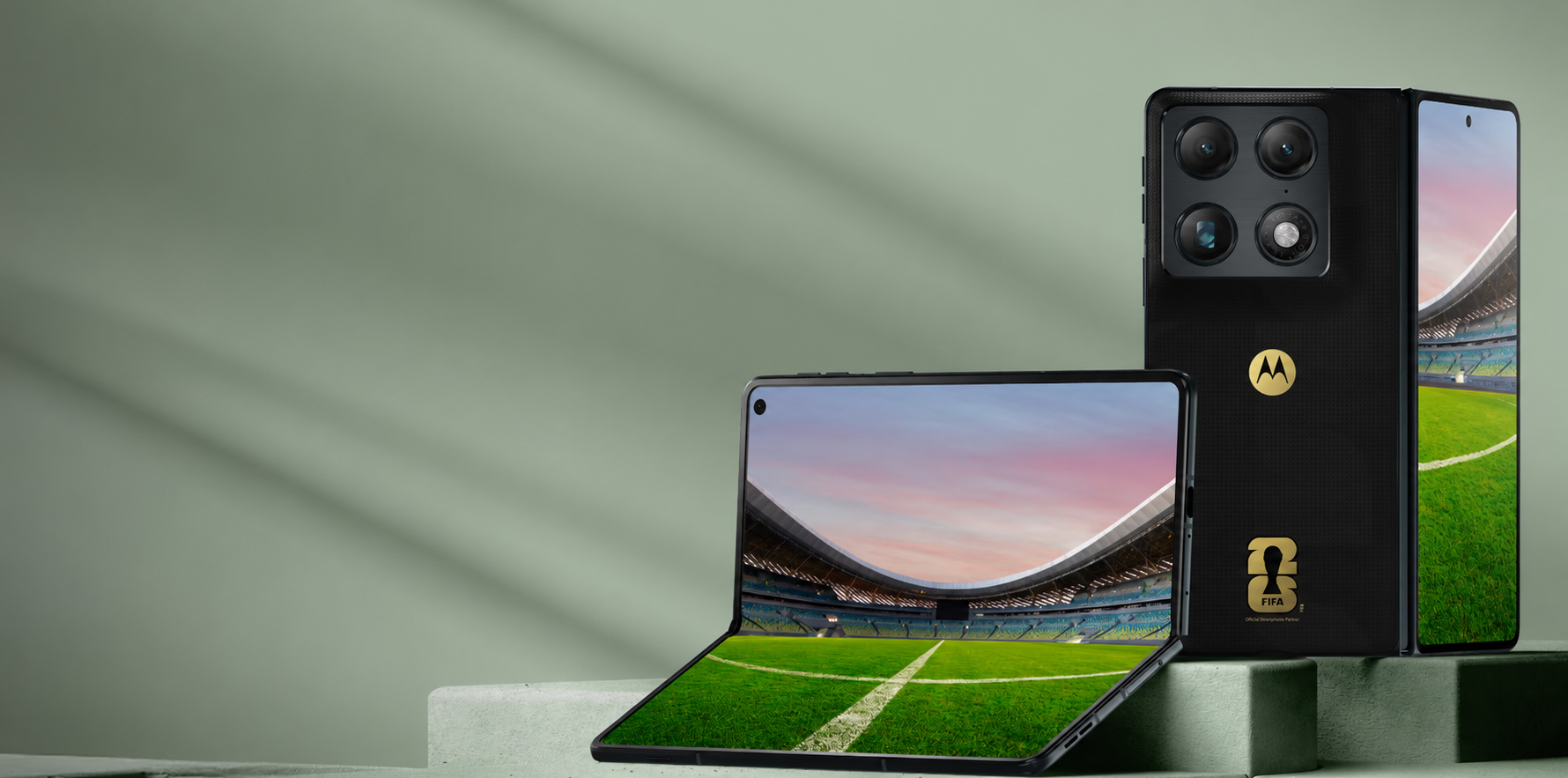
Motorola, Lenovo’s key mobile subsidiary, is no longer content with stealing market share from Samsung in Australia’s value smartphone market. Now Motorola Mobility is launching an all out assault on Samsung’s most profitable territory, the ultra premium foldable smartphone segment, in Australia in what analysts believe could trigger the biggest shake up in Android handsets for years.
Already Australia’s No.3 smartphone brand overall and the country’s No.2 Android smartphone vendor behind Samsung, Motorola is preparing to launch two flagship devices designed specifically to challenge Samsung’s long standing dominance of the premium foldable category.
The new $2,799 Motorola Razr Fold and $1,999 Razr 70 Ultra Flip arrive just weeks before Samsung is expected to unveil its new Galaxy Z Fold 8 and Galaxy Z Flip 8 range at its July 22 launch event in London.
With Samsung’s new flagship Fold tipped to retail in Australia for well over $3,000, Motorola is making no secret of the fact that it intends to compete head on, not only on price but on specifications, battery performance, display technology and software support.
The result is a premium Android battle unlike anything the Australian market has seen before.
For years Samsung has effectively enjoyed a monopoly in premium Android foldables.
While Chinese brands have occasionally entered the category, none have managed to establish the carrier relationships, retail support or consumer confidence necessary to seriously threaten Samsung’s Android leadership until now.
Motorola believes that is about to change.
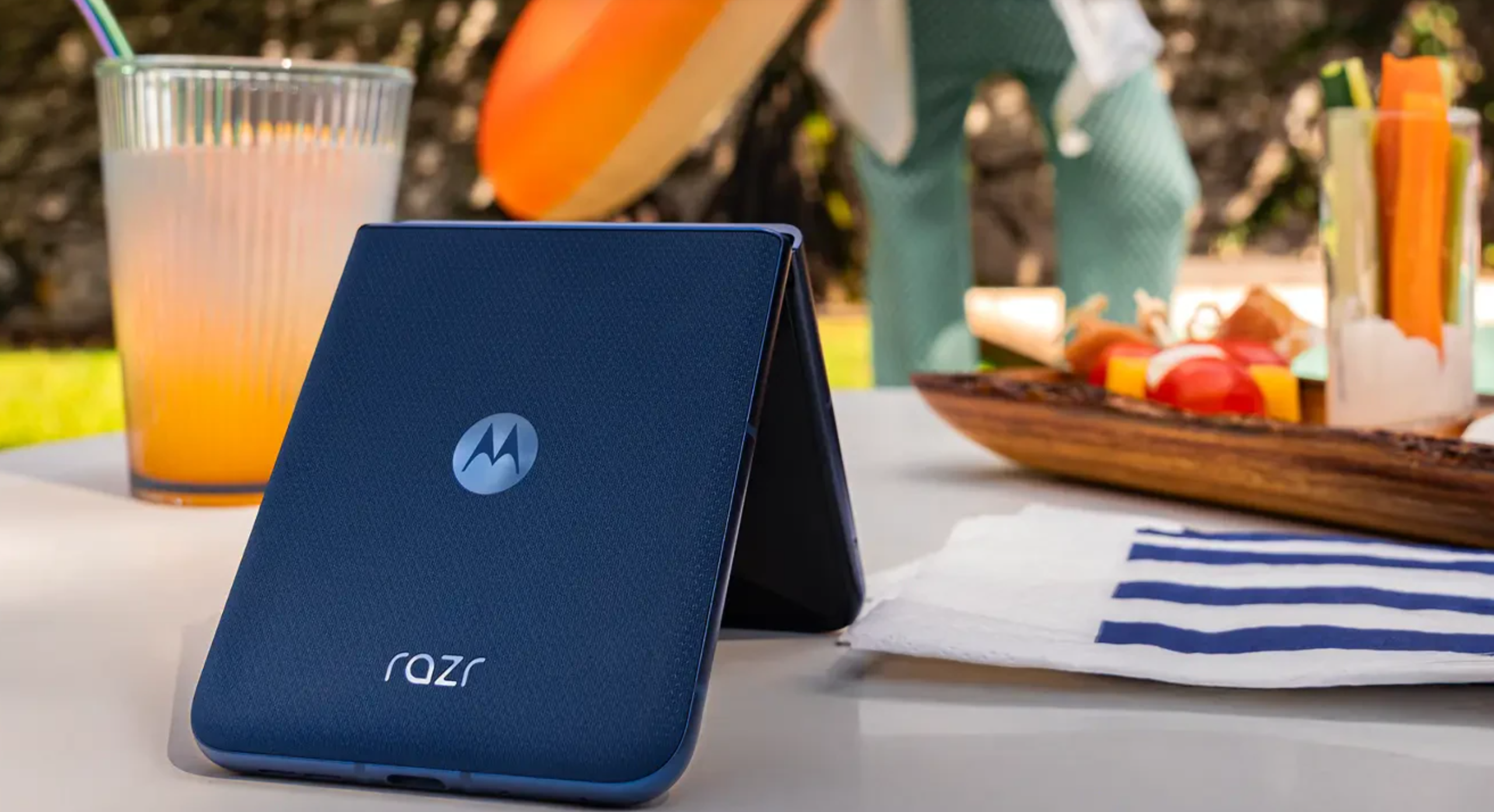
Backed by Lenovo’s global resources, major retail partners including JB Hi Fi and Telstra, and a significantly strengthened premium product portfolio, Motorola is attempting to redefine what consumers should expect from a foldable smartphone.
Industry analysts believe Samsung now faces its most credible challenger since the Galaxy Fold category was first introduced.
ChannelNews has seen and played with the new Razr Foldable after catching up yesterday with the General Manager of Motorola Mobility Australia Praveena Raman, and their head of Marketing Danielle Hoppitt who are now working on carving out more market share in the premium market as the market for value phones come under pressure due to the high cost of memory with their attention now on the premium market.
Motorola Raises The Stakes
Motorola’s latest strategy is simple. Build hardware that matches or exceeds Samsung’s premium devices while selling them for less.
The company has already established itself as a dominant force in flip phones, with IDC research indicating Motorola now controls more than 50% of the global clamshell foldable market, while also capturing around 28% of foldable sales in the United States, largely through aggressive pricing and premium specifications.
Now Motorola wants the other half of Samsung’s business.
The launch of the Razr Fold marks Motorola’s first genuine entry into the premium book style foldable segment, traditionally Samsung’s strongest category.
And it has arrived with some eye watering specifications.
The Razr Fold features an 8.1 inch AMOLED internal display capable of reaching a claimed 6,200 nits of peak brightness, one of the brightest displays ever fitted to a foldable smartphone.
Powered by the Snapdragon Gen 5 Mobile Platform, it delivers ultra-smooth performance that supercharges AI, boosting performance, camera quality, and efficiency all at once.
It reimagines what productivity looks like , giving users the freedom to choose from multiple smart assistants such as Google Gemini9, moto ai3 and Perplexity AI, allowing full access to the world’s leading AI platforms in one device.
Perhaps more importantly, Motorola has fitted a massive 6,000mAh battery together with 80W rapid charging, significantly exceeding Samsung’s current battery capacities.
By comparison Samsung buyers have traditionally paid substantial premiums to obtain equivalent storage configurations.
Motorola has also matched Samsung’s seven year security and operating system support commitment, removing one of Samsung’s biggest competitive advantages.
For premium buyers, that changes the equation dramatically.
Motorola Fixes Foldable Weaknesses
The Razr 70 Ultra Flip may prove even more disruptive.
Historically, flip phones have suffered from compromised battery life because of their compact design.
Motorola appears to have solved that problem.
The Razr 70 Ultra incorporates a 5,000mAh battery, one of the largest ever fitted to a flip phone, delivering battery performance reviewers say comfortably exceeds Samsung’s current Galaxy Z Flip models.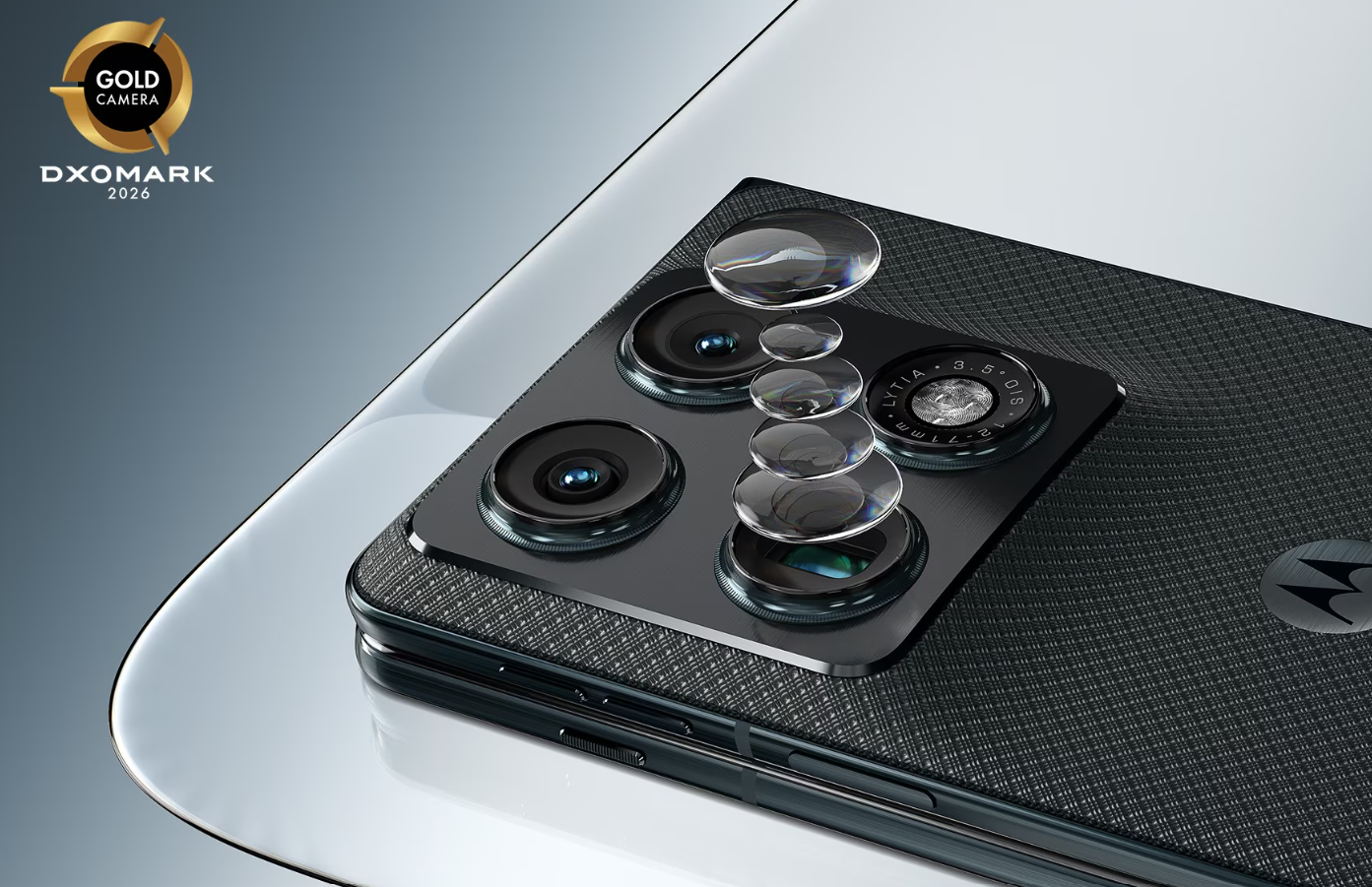
Combined with Qualcomm’s Snapdragon 8 Elite chipset, up to 16GB of RAM and a triple 50MP camera system, Motorola has eliminated many of the traditional compromises buyers associated with flip devices.
The message is clear.
Foldable smartphones no longer need to sacrifice flagship performance.
After spending time using both new Motorola devices ahead of their Australian launch, ChannelNews found the company has dramatically lifted its game.
Software refinement has improved substantially, displays are among the brightest available on any smartphone today and camera performance, particularly in low light conditions, delivers results that comfortably compete with the industry’s best.
Equally impressive was how easy Motorola has made switching from Samsung.
Apps, folders, settings and personal configurations transferred quickly from a Samsung Galaxy S26 Ultra, making migration virtually seamless.
That ease of transition removes another traditional barrier that has helped Samsung retain loyal customers.
Samsung Still Holds Important Advantages
That does not mean Samsung has been beaten.
Far from it.
Samsung continues to lead the industry in foldable software optimisation.
Its One UI interface remains widely regarded as the benchmark for multitasking, app continuity and productivity features specifically designed for foldable displays.
Years of software refinement continue to give Samsung an advantage that hardware specifications alone cannot erase.
Samsung also retains enormous brand recognition, deeper enterprise penetration and substantially higher global foldable shipment volumes.
However, analysts increasingly argue Samsung can no longer rely on incremental hardware improvements while competitors accelerate around it.
Motorola is forcing Samsung into an uncomfortable position.
Instead of controlling the pace of innovation, Samsung is now reacting to a competitor dictating new hardware standards.
Price Is Becoming Samsung’s Biggest Problem
The battle extends well beyond specifications.
Pricing is emerging as Motorola’s most powerful weapon.
Motorola’s standard 16GB RAM and 512GB storage configuration at $2,799 represents exceptional value in the premium foldable category.
Samsung customers have traditionally paid hundreds of dollars more to obtain comparable memory configurations.
Current Australian run out pricing illustrates the challenge.
Samsung’s Galaxy Z Fold 7 launched at $2,899 for 256GB, $3,099 for 512GB and $3,549 for the 1TB model.
The Galaxy Z Flip 7 launched at $1,799 for 256GB and $1,999 for 512GB.
Motorola is effectively delivering higher standard specifications while undercutting Samsung where it matters most.
That strategy becomes even more significant as rising memory costs continue placing upward pressure on premium smartphone pricing.
Apple is already raising prices globally.
Samsung is expected to follow.
Motorola appears determined to use pricing as a weapon while competitors move in the opposite direction.
Retailers Stand To Benefit
Australian retailers are likely to welcome the increased competition.
For years Samsung has dominated premium Android shelf space with limited pressure from rivals.
Motorola’s expanded premium portfolio gives retailers another genuine flagship brand capable of generating higher margins while increasing consumer choice.
JB Hi Fi has already played a major role building Motorola’s Australian business through exclusive launches and aggressive promotional campaigns.
Telstra is now expected to become a key marketing and distribution partner for the new Razr Fold and Razr 70 Ultra range, significantly increasing Motorola’s premium visibility.
Motorola has also invested heavily in premium in store merchandising across JB Hi Fi and Telstra outlets as it attempts to reposition itself from value brand to genuine flagship manufacturer.
The company is also leveraging its global FIFA World Cup sponsorship to elevate brand awareness as it challenges both Samsung and Apple in premium smartphones.
There Are Still Compromises
The Razr Fold is not without faults.
Its triple 50MP camera system sits within a substantial rear camera housing that creates noticeable wobble when the device is placed on a flat surface.
Fortunately Motorola includes a protective case in the box, reducing much of that inconvenience.
Software support also remains an area where some reviewers argue Samsung still maintains an advantage.
While Motorola has significantly expanded its long term update commitments, Samsung’s ecosystem maturity and software optimisation remain key reasons many premium buyers continue choosing Galaxy devices.
Samsung’s Next Move
Samsung’s response will arrive quickly.
The Korean electronics giant is widely expected to unveil the Galaxy Z Fold 8, Galaxy Z Flip 8 and the rumoured Galaxy Wide Fold at its London Unpacked event later this month.
The Wide Fold is tipped to be a lower priced alternative designed specifically to counter Motorola’s aggressive value positioning, something many analysts see as evidence Samsung has been forced to rethink its premium strategy.
That alone illustrates how much the competitive landscape has changed.
Only a few years ago Motorola was fighting for relevance.
Today it is forcing Samsung to respond.
For Australian consumers that is welcome news.
Greater competition is likely to accelerate innovation, improve value and place pressure on premium pricing across the Android ecosystem.
For Samsung, however, the stakes have never been higher.
The company that once dictated the pace of foldable innovation is now being challenged by the brand that helped invent the mobile phone industry.
As Motorola likes to remind consumers, before there was the smartphone era, “there was Motorola.”
Now, armed with serious hardware, stronger software, aggressive pricing and growing retailer support, Motorola believes the next chapter of the foldable revolution could belong to them.