Peloton Turns to AI and New Gear to Revive Sales Following More Layoffs
 Joe Gallop
15 Aug 2025
Joe Gallop
15 Aug 2025
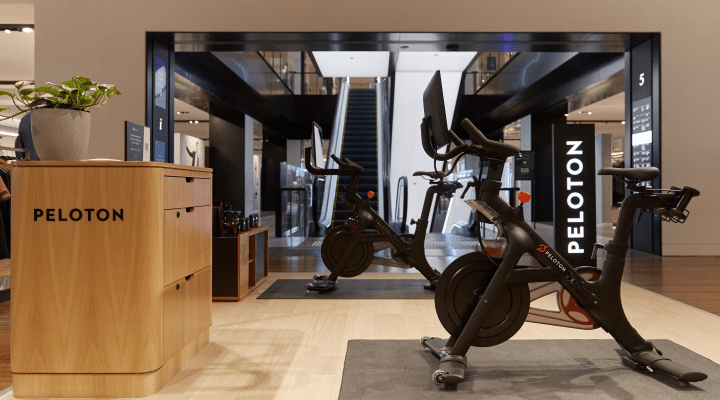
Peloton is plotting its biggest product refresh in years, combining AI-driven software, upgraded hardware and new accessories in a bid to revive its struggling business following another round of layoffs.
At the centre of Peloton’s strategy is ‘Peloton Intelligence’, an AI platform designed to personalise workouts on both its mobile apps and hardware.
These changes come amid ongoing challenges for the New York-based firm. Peloton’s revenue has declined since the pandemic-driven boom, with recent earnings forecasts disappointing investors.
Last week the company cut around 6% of its workforce following previous job reductions over the past several years.
Peleton’s new products could be launched as early as October, according to sources familiar with the American exercise equipment and media company.

The company said it aims to deliver tailored exercise routines and insights – by analysing biometric data and potentially integrating information from third-party platforms like Apple Health and Garmin – encouraging users to upgrade subscriptions and devices.
The hardware lineup is also set for an overhaul.
The entry-level Bike will gain a rotating screen, similar to the premium Bike+, to support yoga and strength training.
The Tread+ treadmill is expected to adopt a smaller, more secure display to address past safety concerns, while the Row+ rowing machine may be rebranded or redesigned.
Peloton is also expanding into accessories, with new fans, phone holders and alternative bike seats, moving beyond its traditional dumbbells and mats.
Alongside product updates, Peloton plans to revamp its sales approach.
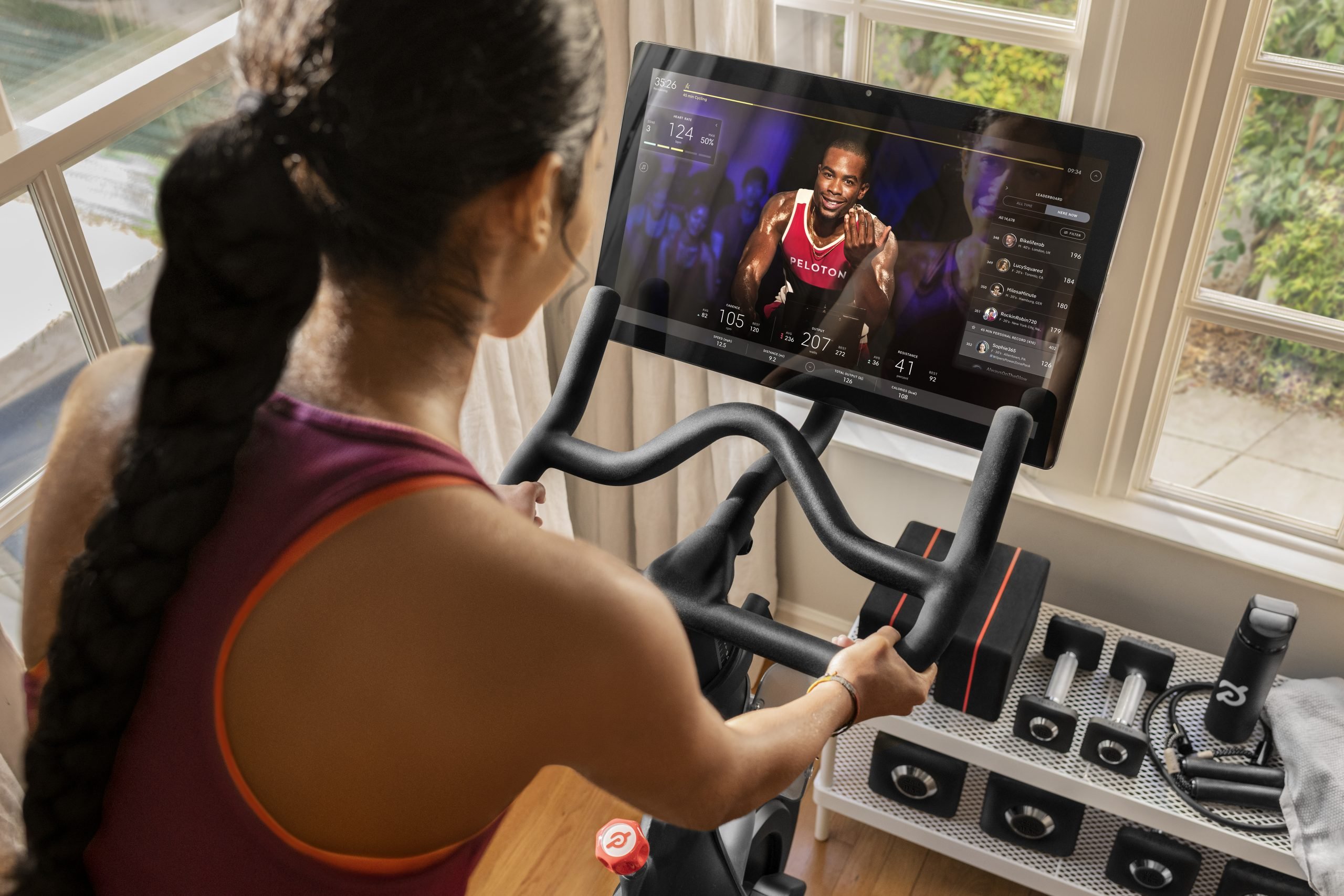
The company will offer more refurbished equipment and expand self-assembly options, which have previously been limited to Amazon orders, potentially reducing costs and simplifying operations.
Peleton CEO Peter Stern, a former Apple executive who took charge less than a year ago, has framed the refresh as a pivotal step in transforming Peloton into an AI-focused health and wellness platform.
“We have more features on the horizon to deepen connections and engagement among our members,” he said during a recent earnings call, emphasising that the company is at a “critical juncture.”
While competitors like Apple and Samsung are also introducing AI-powered fitness tools, Peloton hopes its focus on personalised workouts and expanded ecosystem, including a US$420 million Precor acquisition to integrate commercial gym equipment, will help it reclaim relevance in a crowded market.
With the Australian operation still facing questions over profitability and past safety concerns, it remains to be seen whether Peleton’s AI-driven pivot can reverse its fortunes.