OPINION: Tech Media Is Dying & Google Are The Bastards Responsible
 David Richards
28 Oct 2026
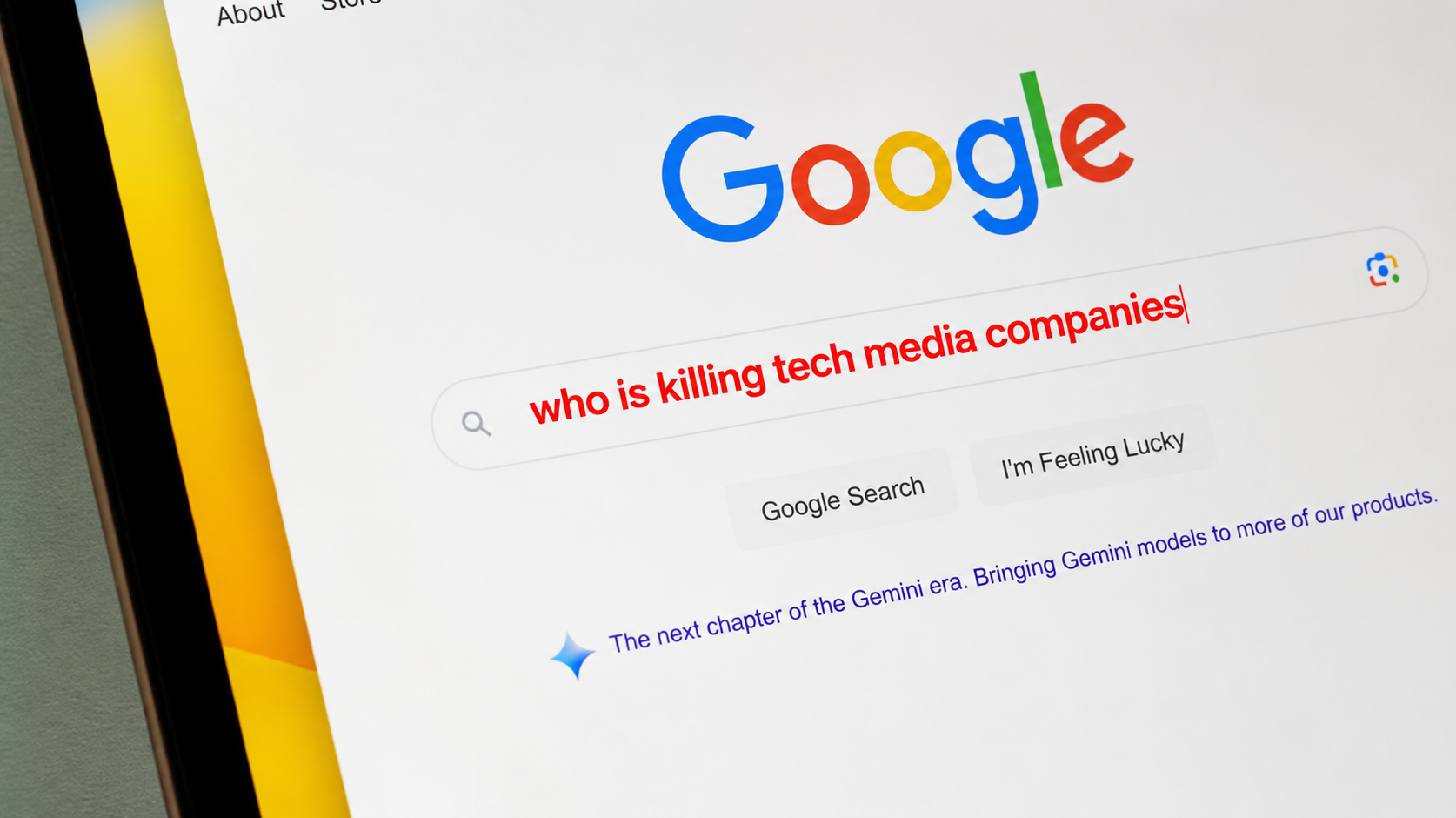
One of the world’s biggest technology publishing groups is being torn apart by collapsing search traffic, AI generated answers and a business model that handed control of its audience to Google.
Future’s problems should serve as a warning to every media company that built its future around American technology giants and bastards like Google & Facebook.
Google is slowly destroying the independent technology media industry, and one of the latest casualties is Future, the once mighty British publishing group that built a global business around some of the best technology journalism in the world.
This is a media group I admired when I first set up a tech media Company I also licencened content from them for titles such as Publishing Essentials, CRN, iTNews and Windows Magazine.
Now that same company is slashing jobs, closing publications and watching audiences disappear at an alarming rate, with traffic at some of its technology titles down as much as 55%.
The irony is that Google, a company that built a multibillion dollar advertising empire by indexing and directing consumers to content produced by publishers, is now using artificial intelligence to answer consumers’ questions without necessarily sending them to the organisations that produced the information in the first place.
It’s a business model that increasingly allows Google to benefit from publishers’ work while leaving those same publishers fighting for the advertising revenue needed to pay journalists. 
The consequences are becoming brutal.
Future, which operates major technology publications including TechRadar, Tom’s Guide and Android Central, has been forced into another round of redundancies, with journalists who helped build the company’s reputation now being shown the door.
What makes this particularly sad is that Future was once one of the best specialist publishing businesses in the world.
I know because I have dealt with the company in the past. Its content was excellent, its journalists understood technology, and its publications commanded respect from both consumers and the industry.
Today, the business is a shadow of its former self in terms of market valuation, and its dependence on digital search traffic is becoming a serious commercial liability.
We Saw This Coming 25 Years Ago
When I launched SmartHouse magazine approximately 25 years ago, I made a decision that was questioned by some people in the media industry.
I believed that Google, Facebook and the emerging social media platforms would eventually become a major threat to traditional media companies.
Rather than build a publishing business that depended on these platforms delivering an audience, we pursued a different strategy.
We went directly to organisations that already had established relationships with consumers.
That included Virgin, Qantas and JB Hi-Fi, with the latter relationship continuing today.
Our thinking was simple.
These organisations had millions of customers, many with credit cards, disposable income and a demonstrated willingness to spend money on consumer products.
They were precisely the consumers technology brands wanted to reach.
Why spend millions trying to attract anonymous visitors through search engines when we could work with organisations that already had established customer relationships?
More importantly, why hand control of our future to a Silicon Valley company whose commercial interests would never necessarily align with those of independent publishers?
At the time, two of our biggest competitors were IDG and Future.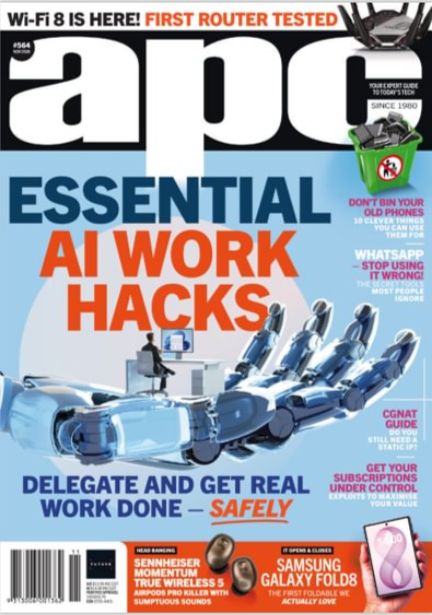
IDG’s former publishing empire has since been broken up and transformed through successive ownership changes, while Future is now confronting one of the most difficult periods in its history.
Meanwhile, our Australian publishing business is expanding, introducing new titles and recruiting additional staff.
That doesn’t mean we are immune to the pressures affecting media. Nobody is.
But it does demonstrate the importance of owning a relationship with an audience rather than renting one from Google.
I am a journalist who leads a business based on content delivering growth, with the content delivered to an audience who have a credit card and are looking for information prior to a purchase.
We also believe in good bad and indifferent reporting which companies run by accountants and sales people struggle with and we relish controversy.
Future’s Financial Numbers Tell A Brutal Story
The scale of Future’s problems becomes clear when examining its financial performance.
In the first half, revenue fell 8% to approximately A$661.2 million, while adjusted EBITDA plunged 24% to A$157.7 million.
Pre-tax profit collapsed 67% to just A$34.8 million.
Full-year revenue is tracking at approximately A$1.34 billion for the year to September 30, a decline of 4%.
For a company with some of the most recognised technology publishing brands in the world, these are disturbing numbers.
With its shares recently trading around A$5.61, converted from 296 British pence, Future’s market capitalisation was approximately A$498 million.
That is roughly one tenth of its peak valuation five years ago.
A publishing group with global brands, established editorial operations and decades of intellectual property has seen approximately 90% of its peak market value disappear.
Google isn’t solely responsible for that destruction.
Future’s acquisition strategy, operating costs, changing consumer behaviour and the broader advertising market also deserve scrutiny.
But the collapse in search traffic is exposing just how vulnerable the business has become.
Google Built The Traffic Machine. Now AI Is Breaking It.
Future’s problems are particularly acute because of the publishing model adopted by many of its technology titles.
Publications such as TechRadar and Tom’s Guide have increasingly relied on product recommendations, buying guides and affiliate commerce.
A consumer searches Google for the best television, smartphone, notebook or headphones.
Google directs that consumer to a technology publication.
The publication provides a recommendation, the consumer clicks through to a retailer, and the publisher receives an affiliate commission if a qualifying purchase is made.
For years, it was a lucrative arrangement.
Then Google began changing the rules.
AI Overviews and other AI powered search features increasingly provide answers directly within Google’s own search environment.
Consumers can obtain product comparisons, specifications and buying advice without necessarily visiting the original publisher.
That threatens both sides of the media revenue equation: fewer visitors to monetise through advertising and fewer opportunities to earn affiliate commissions.
The problem is particularly serious for publishers that have spent years optimising their content for Google rather than building a loyal, directly accessible audience.
Over the last 30 days SmartHouse content reached over 813,000 Unique visitors, 82% came in directly to the site according to Cloudflare research.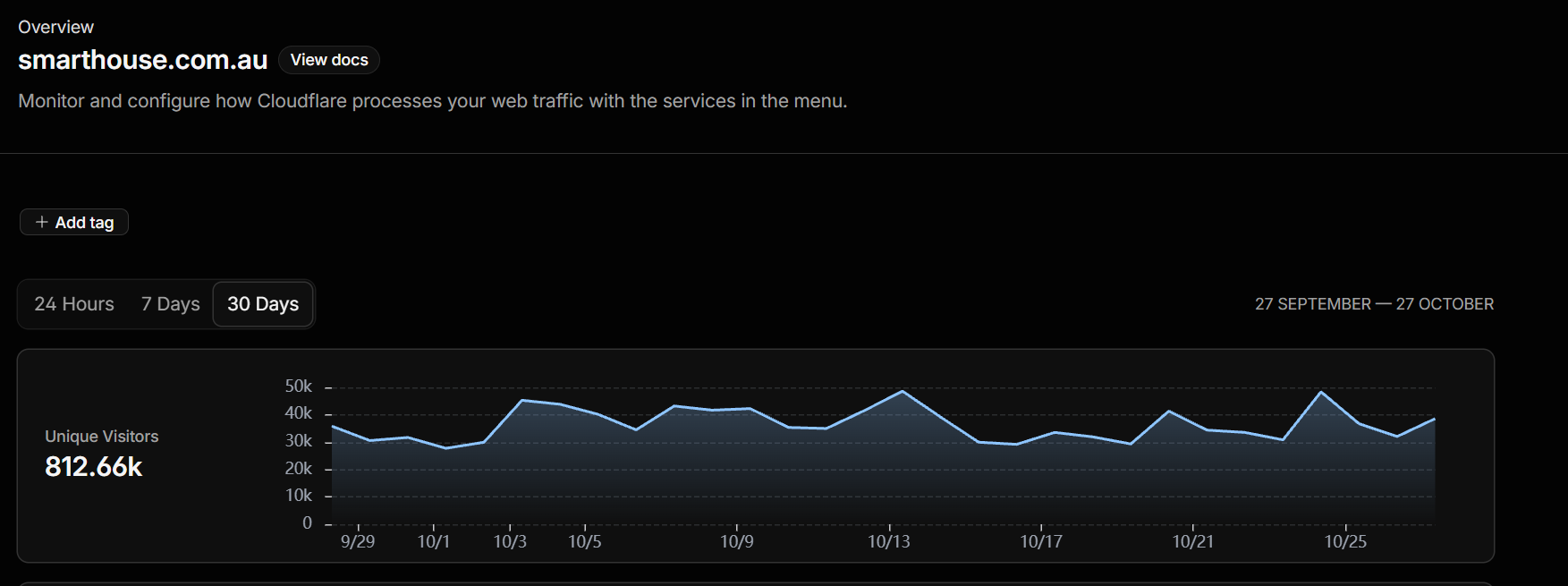
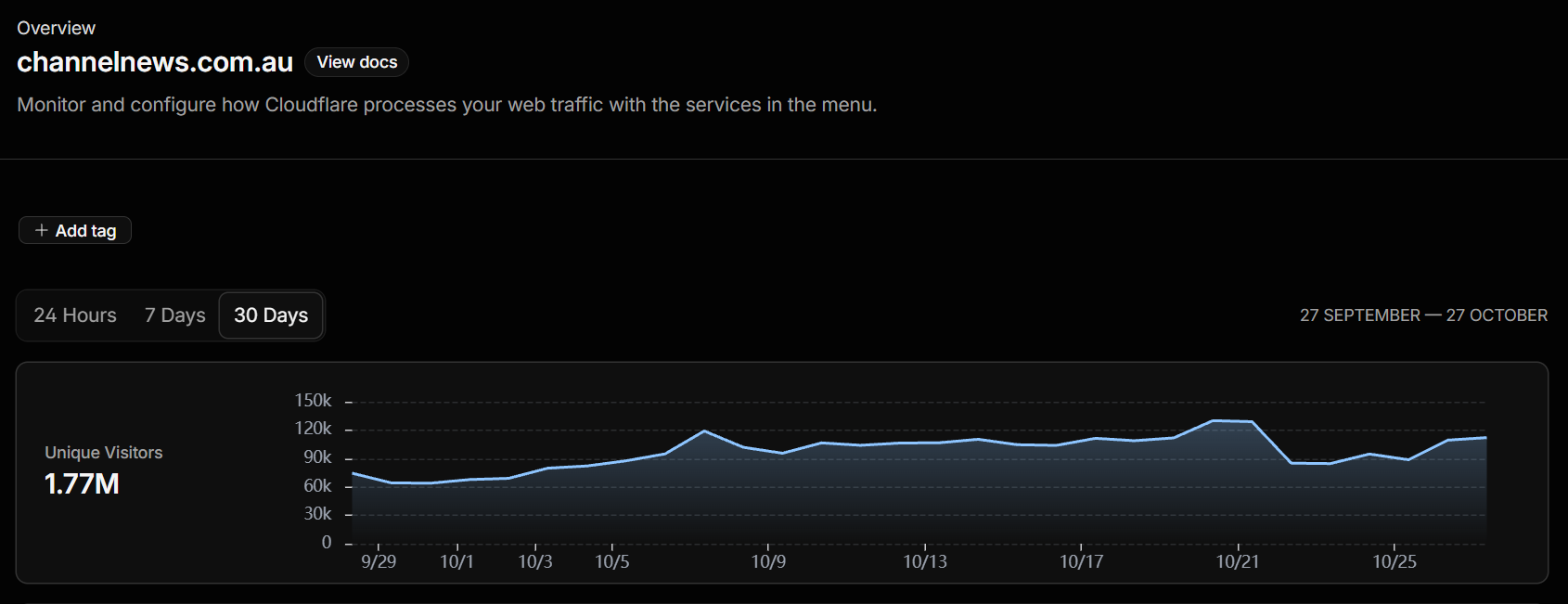
We do no social media SEO or solicitation of social media traffic with ChannelNews generating a record 1.7M Unique visitors because we are the sources of stories that our competitors won’t write about, becausejournalists, and management are concerned that a brand will turn off providing them with gifts, free products and above all revenue or a fully paid business trip to one of their events.
We also thrive on controversy.
The latest financial numbers suggest the damage is substantial at Future.
Tom’s Guide reportedly suffered a 38% decline in its UK audience between January and August, while traffic was down 55% compared with July 2024.
That earlier comparison predates the expansion of Google’s AI Overviews into multiple markets.
It would be simplistic to attribute every lost visitor directly to AI, but the timing raises serious questions about the commercial consequences of Google’s changing search model.
Tomorrow we will address the issue of: Why Journalists are Paying The Price, While Silicon Valley Keeps The Revenue