Samsung Nobbled Over Gaming Optimization Scandal Big Fine Pending
 David Richards
28 Oct 2026

Samsung has been hit with a potential A$22M fine by South Korea’s Fair Trade Commission following an investigation into previous claims around the performance of their smartphones and tablets.
At the centre of the scandle was the Companies Game Optimizing Service, or GOS that saw previous models including the Galaxy S21, Galaxy S22, and Tab S8 overheat resulting in the devices slowing down and in some cases burning people.
GOS became the centre of the controversy when Samsung was accused of deliberately restricting the performance of thousands of applications, while allowing popular benchmarking applications to operate without the same restrictions.
The controversy raised questions about whether consumers buying expensive flagship Galaxy smartphones were receiving the performance they had been led to expect.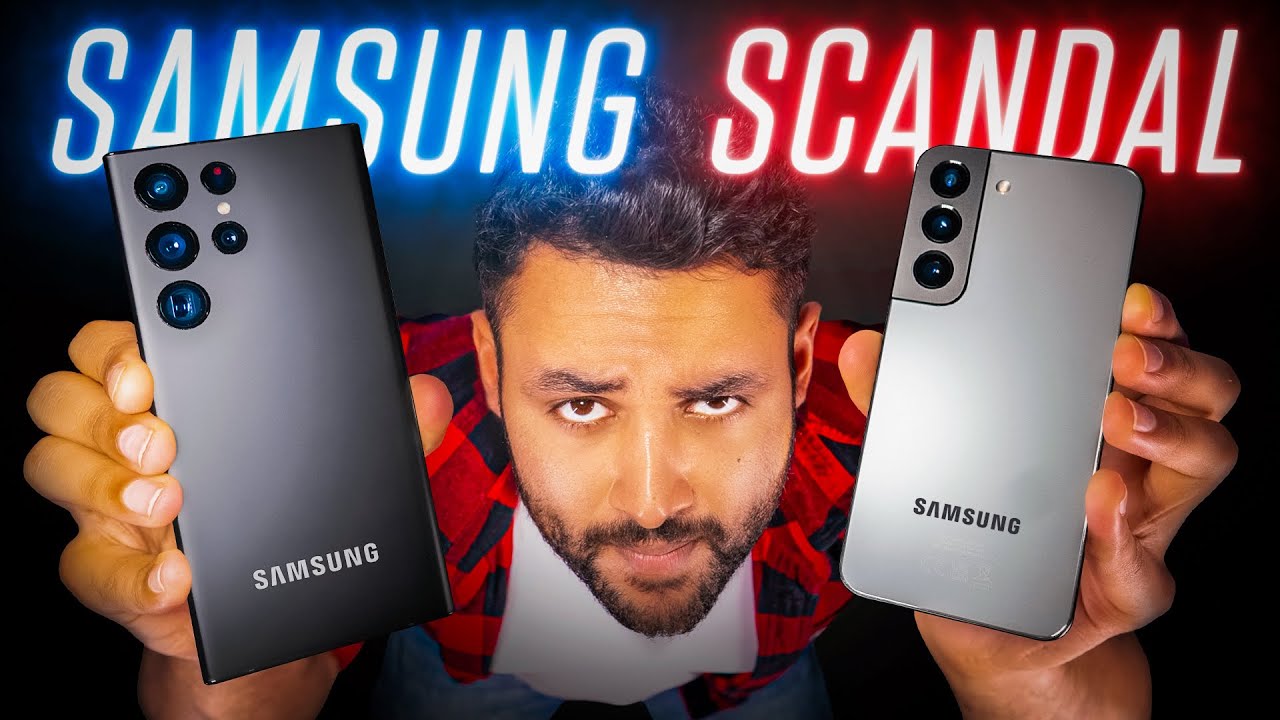
What does GOS actually do?
GOS operated alongside Samsung’s gaming software and the phone’s processor management systems.
Its main functions include:
– CPU and GPU throttling: Reducing processor and graphics performance to control heat and power consumption.
– Battery management: Limiting power consumption during intensive gaming sessions.
– Thermal protection: Preventing the handset from becoming excessively hot during prolonged use.
– Frame rate management: Balancing gaming smoothness against processor demands.
– Application-specific optimisation: Applying different performance profiles depending on the application being used.
Some form of thermal management is normal in modern smartphones.
The controversy surrounding Samsung was not simply that it throttled performance, but how selectively it appeared to apply those restrictions and how transparently this was communicated to consumers.
South Korea’s Fair Trade Commission has now reportedly imposed a 20 billion won fine, approximately A$22.1M fine on Samsung Electronics over allegedly misleading advertising relating to gaming performance.
The regulator found that Samsung marketed high-performance gaming capabilities without adequately disclosing preset performance restrictions imposed by GOS.
Samsung claims that they intends to appeal, arguing that GOS was a safety feature and that subsequent software updates gave consumers greater control.
The scandal produced eight lawsuits across South Korea, the United States, and Israel.
None ended with a judgment awarding consumers damages, which Samsung presents as evidence that the dispute was already settled.
The Korean case was less clean than a simple victory.
A trial court found that some advertising could mislead buyers into expecting unrestricted top speeds.
It dismissed the claims because the consumers hadn’t proved personal losses or shown that each plaintiff used an affected game. The appeal later ended through court-ordered mediation.
Those cases asked whether specific buyers could prove harm.
The FTC examined whether Samsung’s marketing could distort purchasing decisions.
That difference pulled the controversy back into view four years later.
What Samsung argues now
Samsung says GOS balanced heat with sustained gaming speeds, a problem every phone manufacturer faces. It argues that the FTC treated preset clock ceilings as proof of a worse experience without demonstrating their effect on actual frame rates.
The company also cites the closed lawsuits and lack of similar penalties overseas. The fine remains tentative and doesn’t create refunds for Galaxy owners. Samsung plans to challenge the decision, leaving a court to decide whether it should have disclosed that some games couldn’t reach the advertised maximum.