Sony Revives Its Beloved WH-1000XM4 Headphones With A Modern Twist
 Dominic Bayley
28 Oct 2026
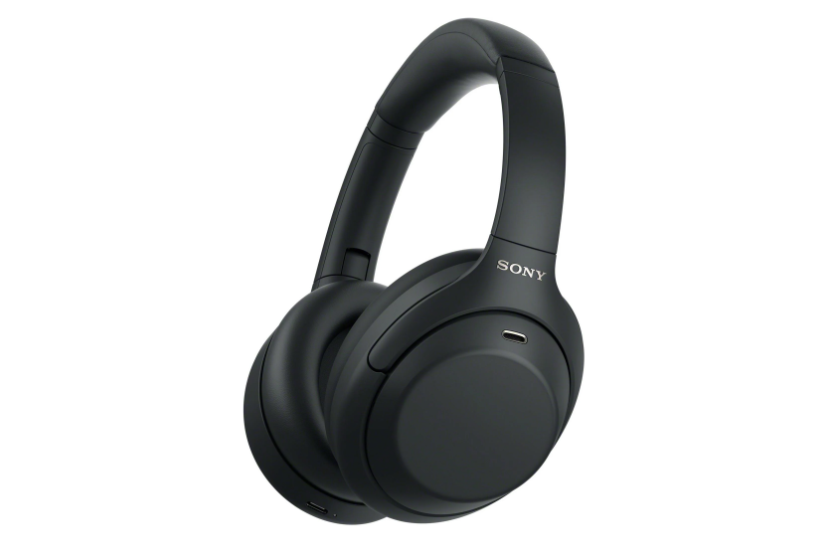
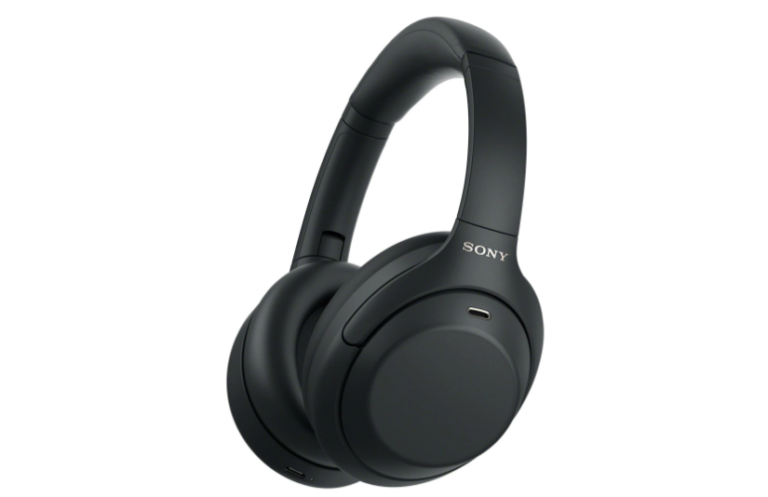
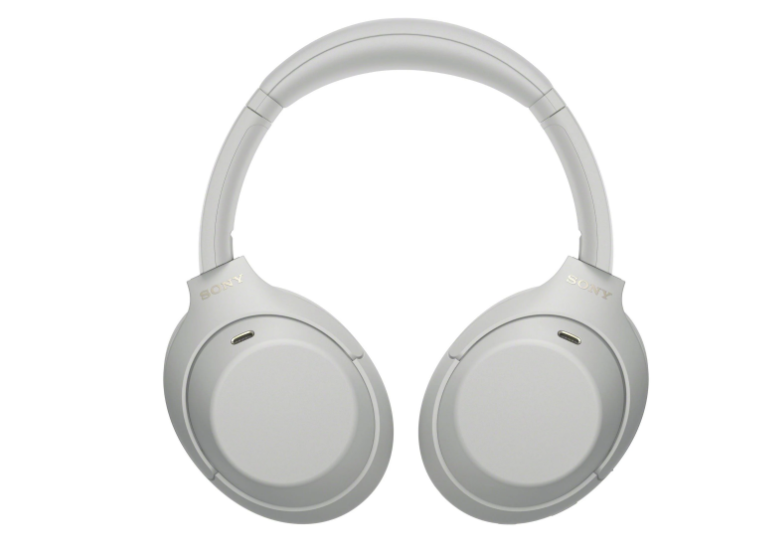
Sony has brought back one of its most popular noise-cancelling headphone designs with the WH-1000XM4C, a refreshed version of the acclaimed WH-1000XM4 that launched six years ago.
Rather than introducing a completely new design, Sony has retained much of what made the original headphones successful, including their compact folding construction, comfortable earcups and impressive sound quality.
The WH-1000XM4C are priced at $449, positioning them below Sony’s flagship WH-1000XM6 headphones.
While the new model introduces several improvements, including a replaceable battery, updated Bluetooth connectivity and expanded equaliser controls, much of the underlying technology remains unchanged.
The WH-1000XM4C retain the original model’s 40mm drivers, delivering a bass-rich sound signature with strong low-frequency performance and clear instrument separation.
According to a review by The Verge, the headphones produce slightly heavier bass than their predecessors, although some midrange frequencies can sound a little subdued.
Sony has addressed some of this through its Sound Connect app, which now includes a 10-band equaliser compared with the original model’s five-band adjustment.
This provides greater flexibility for listeners who want to fine-tune the sound, particularly vocals and midrange instruments.
Noise cancellation is handled by Sony’s QN1 processor, the same chip used in the original WH-1000XM4, working alongside four microphones.
Although the system remains effective at reducing background noise from air conditioners, traffic and other everyday environments, it cannot match the performance of newer premium headphones.
Sony’s WH-1000XM5 and WH-1000XM6 models offer more advanced noise cancellation, while some considerably cheaper competitors now deliver comparable performance to the XM4C.
Call quality is similarly solid rather than class-leading, with microphones generally keeping voices clear while occasionally allowing louder background sounds to interfere.
One of the biggest changes is the introduction of a replaceable battery, designed to meet upcoming European Union requirements aimed at making consumer electronics easier to repair.
However, replacement batteries are not currently available in North America, and Sony has yet to provide clear instructions for owners wanting to carry out the replacement themselves.
The redesigned battery system also comes with a small compromise in endurance.
Battery life has dropped from 30 hours on the original WH-1000XM4 to 27 hours with active noise cancellation enabled on the XM4C.
Despite the reduction, that should still provide several days of typical listening between charges.
Connectivity has been updated to Bluetooth 6.0, although the headphones do not currently support Bluetooth LE Audio or Auracast broadcasting.
Audio codec support remains unchanged, with SBC, AAC and Sony’s LDAC codec available for higher-resolution wireless listening on compatible devices.
Sony has also retained the traditional 3.5mm headphone connection, allowing users to listen through a cable even when the battery is depleted.
However, USB-C audio playback is not supported, and Sony does not include a USB-C charging cable in the box.
The WH-1000XM4C continue to use touch-sensitive controls on the right earcup for adjusting volume, changing tracks and managing playback.
Covering the earcup with a hand temporarily activates transparency mode, allowing users to hear conversations or announcements without removing the headphones.
Physical buttons remain available for power and noise cancellation controls.
The familiar folding design is another major selling point, allowing the headphones to collapse into a compact zippered carrying case.
Soft synthetic leather earcups also contribute to the comfortable fit, making the headphones suitable for extended listening sessions.
While the WH-1000XM4C lack some of the advanced features found in Sony’s latest flagship models, they demonstrate that a successful headphone design does not necessarily need a complete overhaul.
For owners of ageing WH-1000XM4 headphones, the new model offers a familiar replacement with modest improvements, although buyers seeking the latest noise cancellation and wireless audio features may find better value elsewhere.
Sony’s decision to revive a six-year-old design is unusual, but the WH-1000XM4C show that good sound, comfort and practical features can remain competitive long after a product’s original release.