Meta Plans Camera-Free Smart Glasses Amid Privacy Backlash
 Joe Gallop
17 Sep 2026
Joe Gallop
17 Sep 2026
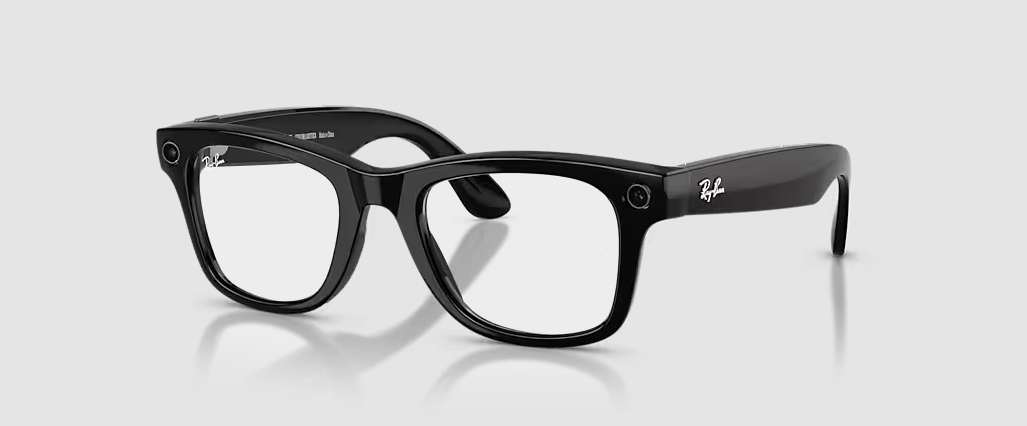
Meta is reportedly preparing to unveil smart glasses without a camera as it attempts to attract consumers concerned about the privacy implications of its existing wearables.
Internally codenamed ‘Luna’, the glasses could be announced during Meta Connect on September 23 and 24 before shipping begins in October, according to The Information.
The device is expected to be offered in two frame styles called Clubmaster and Burbank.
While Luna would remove the outward-facing camera found on Meta’s current Ray-Ban, Oakley and house-brand glasses, it would retain six microphones and open-ear speakers positioned towards the wearer.
Users would be able to interact with the Meta AI chatbot and the company’s Muse AI agent using voice commands. A physical button on the side would provide quick access to Meta AI, while removing the camera is expected to allow for slimmer temples and a design closer to conventional eyewear.
The reported model follows mounting criticism over the potential for camera-equipped smart glasses to record people without their knowledge.
In Australia, the Greens are supporting a proposed 12-month moratorium on imports of camera-equipped wearable devices while privacy laws are reviewed.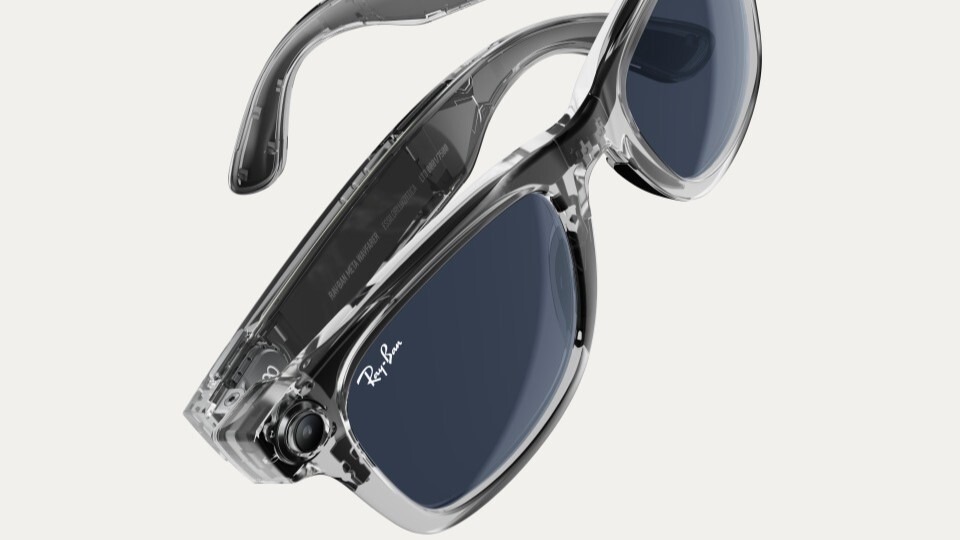
Meta’s existing glasses include an LED indicator that illuminates during recording, but users previously found ways to modify, remove or cover the light.
The company has since released updates that prevent the camera from operating when the capture LED is damaged or removed. Another software change closed a loophole that allowed users to cover the light after recording had started.
Instagram has also begun removing videos filmed using smart glasses when they depict harassment or invasive behaviour.
Camera-equipped smart glasses have faced restrictions in courts and other sensitive locations, while Meta has also been targeted by legal action concerning how recorded footage is handled.
Privacy concerns were further intensified by a recently published Meta patent describing glasses that could use facial recognition, expression analysis and gaze detection to identify people, although the technology remains unconfirmed for a consumer product.

The backlash has also led to the launch of the Zuckoff iPhone app, which detects Bluetooth signals broadcast by nearby Meta and compatible smart glasses. However, it cannot identify the wearer or determine whether the glasses are recording.
Competition is rapidly increasing. Samsung has unveiled Gemini-powered glasses and is reportedly developing a later model with a display, while Apple has delayed its expected entry as it refines privacy protections.
HTC’s camera-equipped VIVE Eagle recently launched in Australia for A$799 with safeguards including automatic recording shutdown if its indicator is covered.
The new Luna glasses would give Meta a lower-risk alternative centred on audio, voice assistance and hands-free AI rather than photography or video.
Meta has not confirmed the glasses, pricing or whether they would be released in Australia.