Meta Smart Glasses Patent Revives Controversial Facial Recognition Plans
 Emma Wheaton
18 Aug 2026
Emma Wheaton
18 Aug 2026
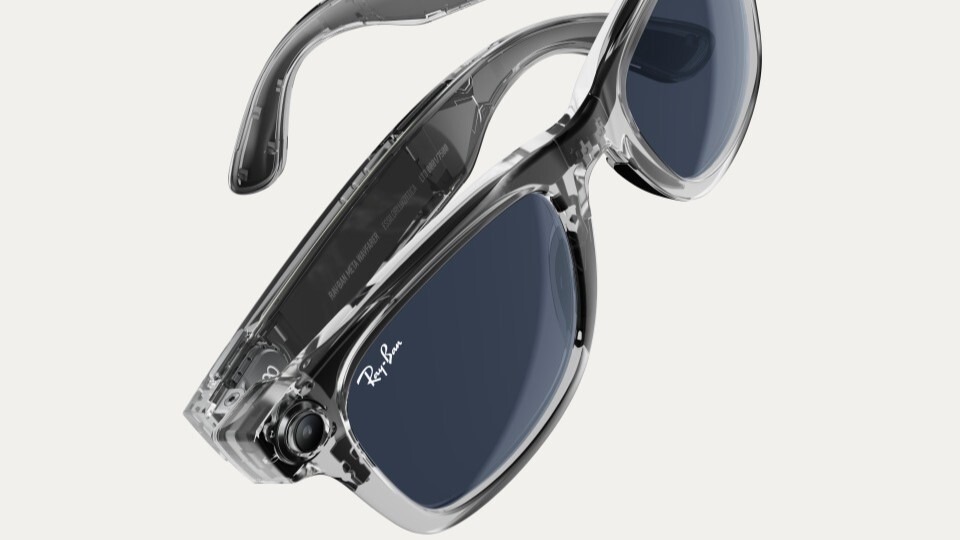
Meta’s smart glasses plans are facing renewed scrutiny after a newly published patent revealed how the company could use facial recognition and AI to identify people and automatically capture important moments.
The patent, published in the US this month, describes an AI assistant that could combine cameras with facial recognition, facial-expression analysis, gaze detection and object recognition. The application dates back to earlier filings from 2019 and 2022, but its publication has renewed attention around Meta’s ambitions for AI-powered eyewear.
Smart Glasses That Prioritise Who You View
The patent describes how smart glasses could analyse people in the wearer’s view and determine which subjects are most relevant.
In one example, the glasses could recognise a person’s wife at a dinner party and give her a higher priority than other people in the scene. The camera could then focus on her while other individuals are excluded or blurred.

The system could also analyse facial expressions. If two people were laughing, for example, the glasses could determine that they were more interesting and prioritise them when capturing video.
AI Creating Highlight Reels
Another example outlined in the patent takes the concept even further.
The system could use facial recognition to identify people in the camera’s view, capture short video clips when recognised individuals perform certain actions and then combine those clips into a highlight reel.
A dinner party is used as an example, with the glasses potentially collecting moments throughout the evening and presenting a curated selection to the wearer afterwards.
The idea raises obvious questions about whether people being recorded would know that their faces were being analysed or that footage involving them was being selected by an AI system.
Nothing Confirmed by Meta
While existence of a patent doesn’t mean Meta will necessarily introduce the technology in a consumer product, the latest filing is notable because it follows other signs that Meta has been exploring facial recognition for its smart glasses.
In June, reports revealed an unreleased facial-recognition system called NameTag inside the Meta AI companion app. The system was reportedly designed to convert faces captured by smart glasses into biometric signatures and compare them with information stored on the user’s device.
Meta subsequently removed most of the related components and said the technology was exploratory, with no final decision having been made about the feature.
Meta has also reportedly licensed facial-recognition and liveness-detection technology from ROC for internal smart-glasses development, although the technology has not been activated for consumers.
Privacy Concerns
The renewed focus on facial recognition comes at a difficult time for Meta’s smart glasses.
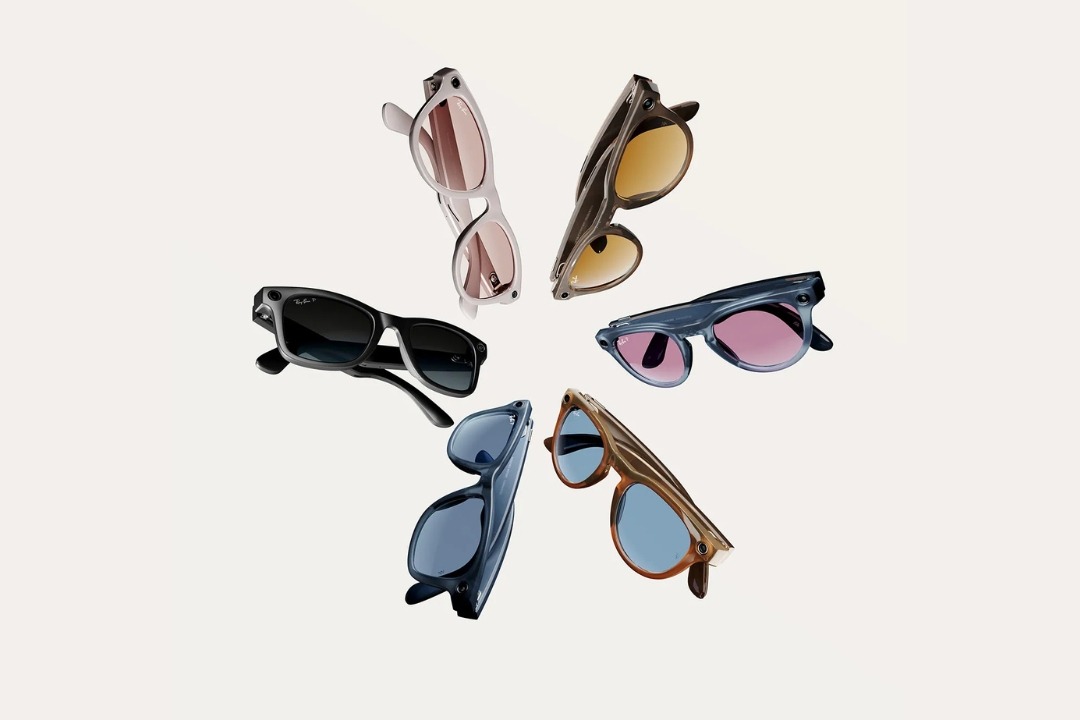
Privacy concerns surrounding camera-equipped eyewear have intensified as the devices become more capable and more common. Millions of smart glasses are now being sold globally, with Meta alone selling more than 7 million units in 2025.
Recent legal and regulatory scrutiny has also focused on whether people in front of the cameras can realistically know when they are being recorded.
Meta’s patent does include privacy controls including restrictions on facial and expression recognition and limits to biometric information that make it only usable for certain purposes prevented from being shared with third-party applications.
Information can be restricted to being stored locally on the devices, however that is also not without privacy issues, like how long biometric information could be retained and what happens if a device is lost. Also, could information about unidentified people eventually be synchronised with Meta’s servers?
A New Challenge for Smart Glasses
Meta’s latest patent highlights a broader shift in what AI-powered wearables could become.
Today’s smart glasses can already take photos and video, answer questions and interpret what the wearer sees. Facial recognition could add another layer of awareness.
For consumers, that could arguably make smart glasses more useful but it also pushes the technology into the sensitive area of personal privacy.
For now, the technology described in the patent remains unconfirmed but the debate over privacy and smart glasses is far from over.