Samsung Takes On Meta With Gemini-Powered Smart Glasses
 Joe Gallop
23 Jul 2026
Joe Gallop
23 Jul 2026
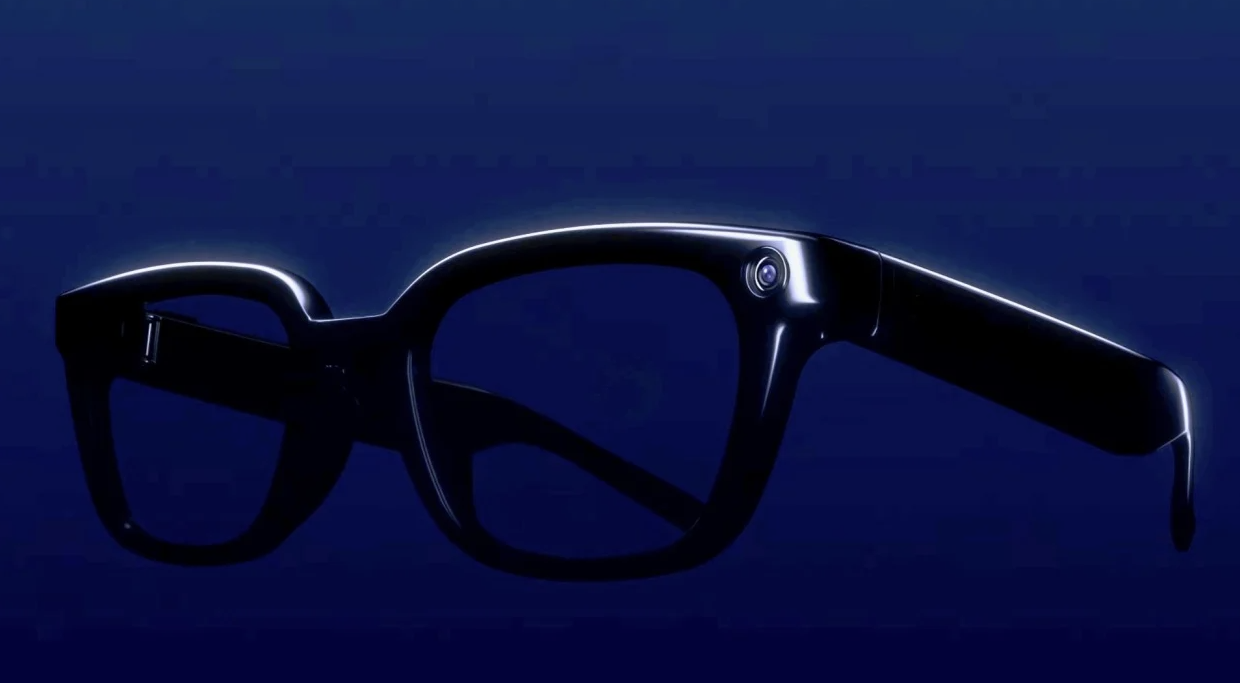
Samsung has unveiled its first AI-powered smart glasses, marking a major expansion of the Galaxy ecosystem and a direct challenge to Meta’s dominant Ray-Ban smart eyewear range.
Introduced at Galaxy Unpacked in London, the display-free “intelligent eyewear” was developed with Google, Qualcomm and eyewear brands Gentle Monster and Warby Parker.
The glasses run Google’s Android XR platform and are powered by Qualcomm’s Snapdragon AR1 Gen 1 chip, the same processor used in Meta’s latest smart glasses.
Samsung claims the device can deliver up to nine hours of mixed use on a single charge, while the accompanying charging case provides up to seven additional full charges.

A built-in camera allows Google’s Gemini AI assistant to analyse what the wearer is looking at and provide contextual information through integrated speakers.
Users will be able to photograph whiteboards and automatically organise key information in Samsung Notes, summarise messages, receive navigation guidance, access live translation and share their point of view during video calls.
The glasses can be controlled using voice commands, touch-sensitive sections on the frames or connected Galaxy devices. Samsung is also testing gesture controls through its Galaxy Watch9, with Galaxy Ring support potentially being explored.
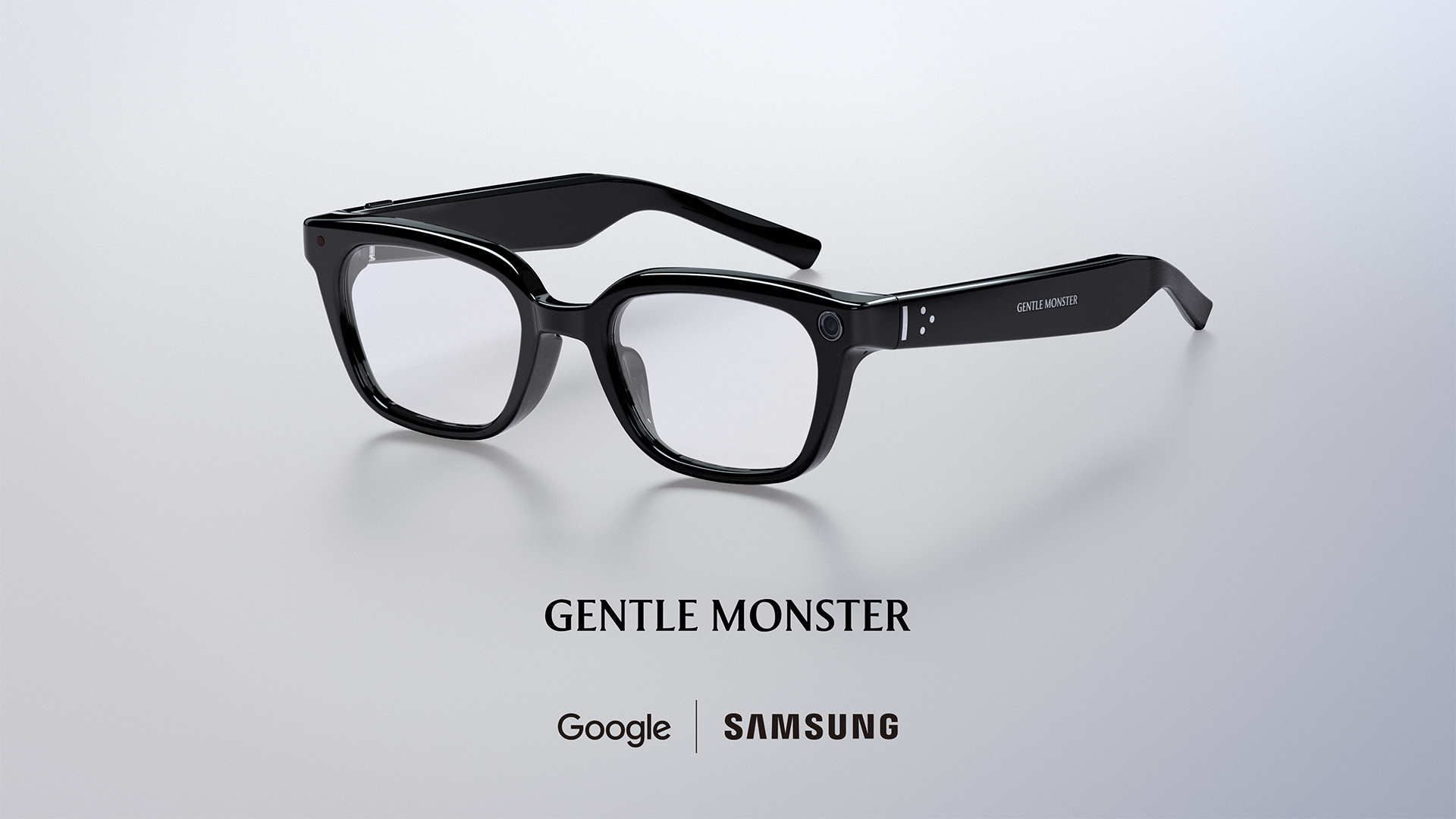
Unlike some emerging augmented reality glasses, Samsung’s first model does not contain a display and instead relies primarily on audio feedback.
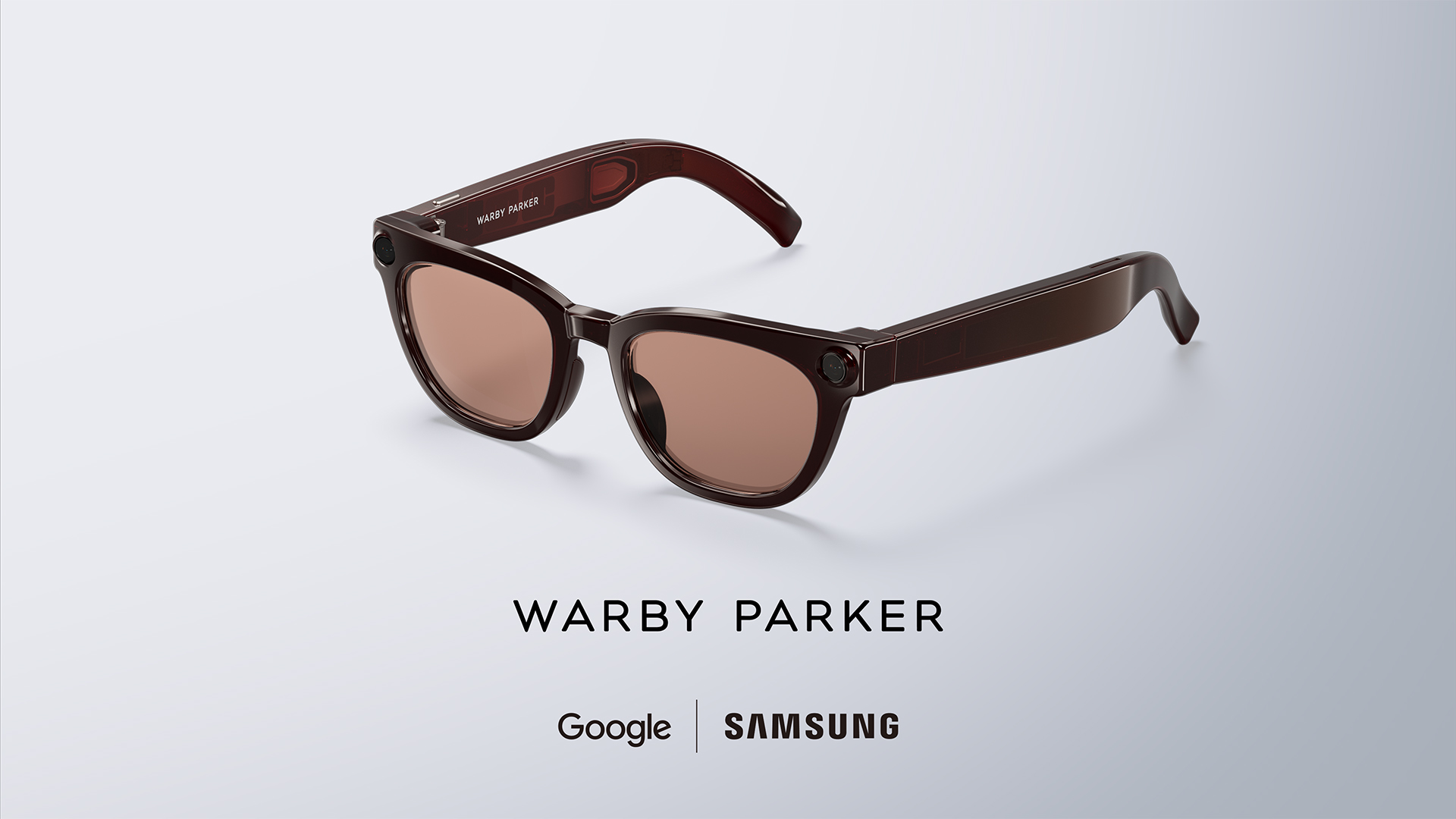
Samsung showed two designs at Unpacked, including a slim black frame created with Gentle Monster and a rounded brown model from Warby Parker. More styles and colours are expected when the product launches.
The company said the glasses would be positioned as a premium product, although pricing and Australian availability have not been announced. A broader overseas release is expected later this year.
Samsung is entering a category currently dominated by Meta, which held an estimated 69.2 per cent of the global smart glasses market during the first quarter of 2026, according to IDC.
Beyond Meta, Samsung will compete with Chinese brands including TCL-owned RayNeo and Xiaomi, which held 3.4 per cent and 3.1 per cent of the global smart glasses market respectively during the first quarter of 2026.
RayNeo has focused heavily on glasses with built-in displays, while Xiaomi has pushed further into lightweight, audio-first AI eyewear.
However, the wider market remains fragmented, giving Samsung and Google an opportunity to use the scale of the Galaxy and Android ecosystems to challenge Meta’s early lead.
The glasses include a recording indicator light, while Samsung reportedly plans to disable recording when the LED is covered or obstructed, addressing some of the privacy concerns surrounding camera-equipped eyewear.
Samsung has also hinted that future Galaxy smart glasses could feature an augmented reality display, describing the newly unveiled product as its first “non-display model”.