AI Boom Turns The Tables On Apple As Chip Suppliers Fight Back
 Dominic Bayley
30 Oct 2026
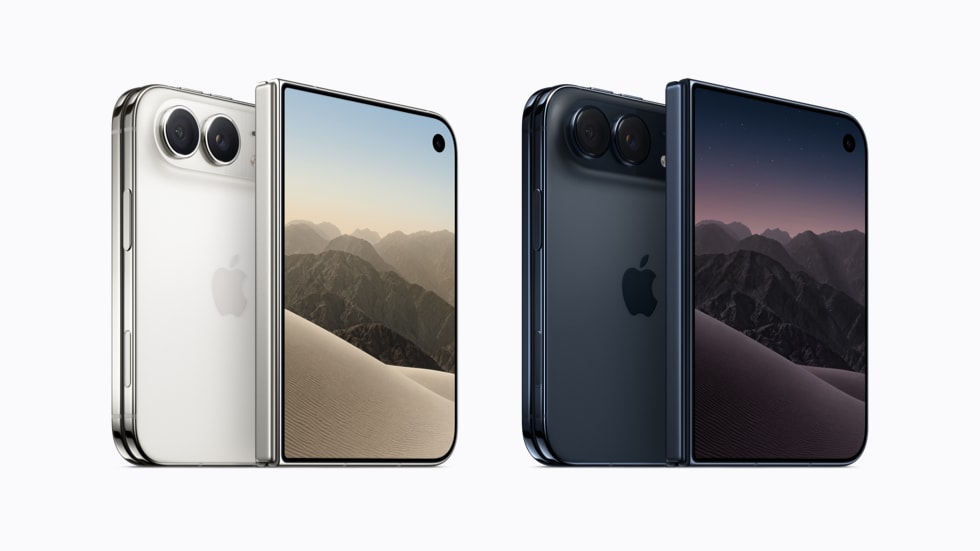
Apple’s long-standing dominance over memory chip suppliers is being challenged as soaring demand from artificial intelligence companies drives up flash storage prices and gives manufacturers newfound bargaining power.
For years, Apple used its position as the world’s biggest buyer of flash memory to negotiate rock-bottom prices from suppliers including Kioxia, Micron and Western Digital.
However, the rapid expansion of AI data centres has dramatically shifted the balance of power, with technology giants including Microsoft, Amazon, Meta and Google competing for the same storage components used in iPhones, iPads and Macs.
According to research firm TechInsights, demand from AI hyperscalers has pushed flash memory prices to five times their previous levels over the past year.
Two years ago, Apple purchased almost twice as much flash storage as Microsoft, Amazon, Meta and Google combined.
Today, those hyperscalers are buying roughly twice Apple’s share, significantly weakening the iPhone maker’s negotiating position.
The financial impact could be substantial.
TechInsights estimates Apple will spend approximately US$25 billion on flash storage this year, compared with just US$6 billion in 2025 for roughly the same quantity.
Flash memory prices, which fell to around US$0.05 per gigabyte in 2023, have climbed above US$0.30 per gigabyte.
The increase threatens one of Apple’s most profitable businesses: charging customers hundreds of dollars for additional device storage.
According to an analysis by The Wall Street Journal, Apple charged iPhone 17 Pro buyers US$200 to upgrade from 256GB to 512GB last year.
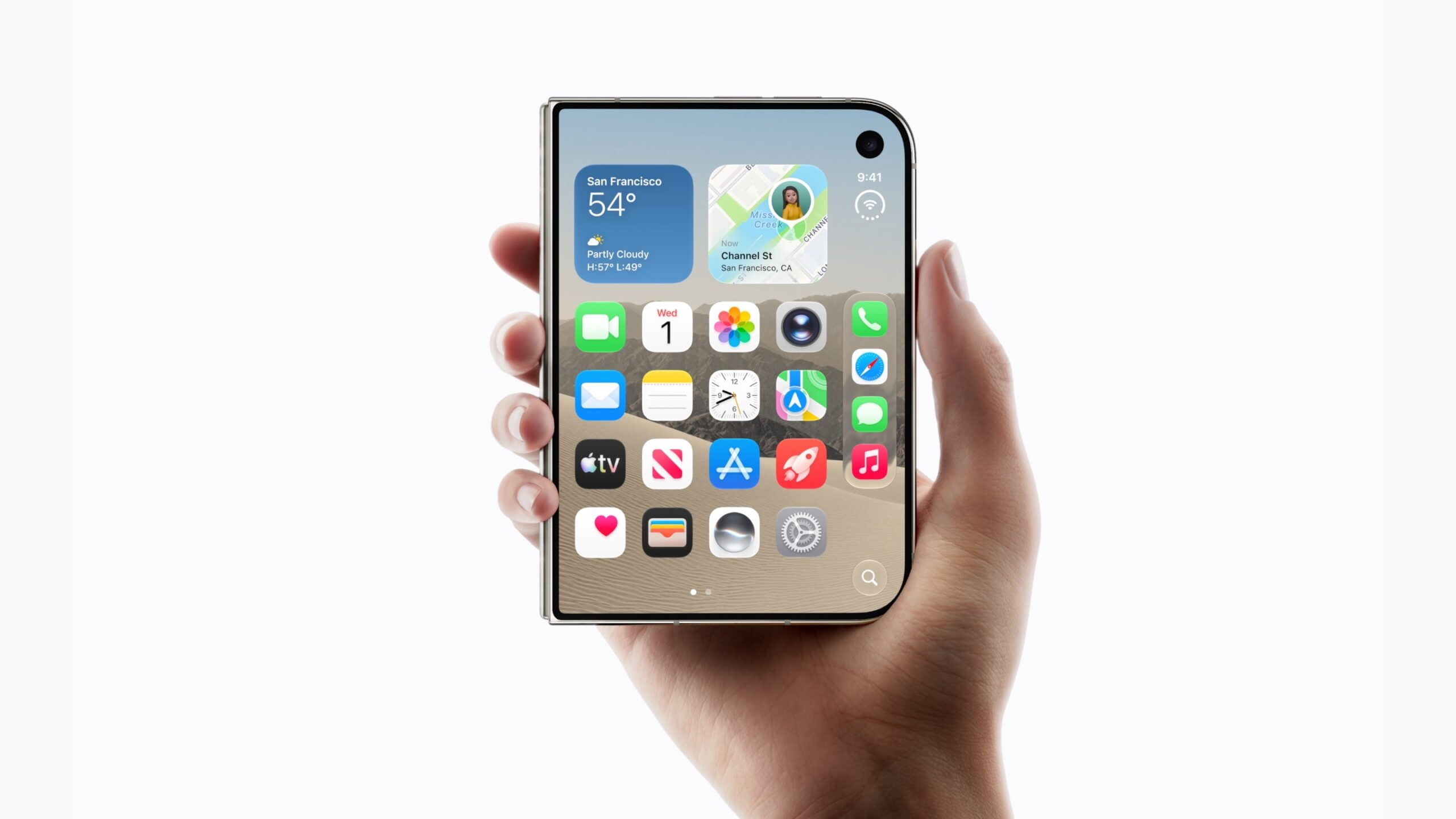
At the time, the additional storage reportedly cost Apple approximately US$15. That cost has since climbed to around US$66.
The Journal found Apple historically generated gross margins exceeding 80 per cent on storage upgrades for iPhones and iPads, making the business particularly lucrative.
Around 100 million iPhone buyers paid for additional storage last year, according to IDC estimates, generating more than US$10 billion in gross profit from those upgrades alone.
Apple’s aggressive purchasing tactics have long frustrated suppliers.
The company reportedly demanded access to manufacturers’ financial records to ensure competing customers were not receiving better prices.
Suppliers were also pressured into accepting favourable contract terms, with Apple sometimes refusing deliveries when market prices declined.
Former procurement executive Tony Blevins, nicknamed the “Blevinator”, became known for particularly tough negotiations with chip manufacturers.
Now, the situation has reversed.
Meta, Microsoft and Amazon have reportedly signed long-term agreements with Kioxia, committing to higher prices in exchange for guaranteed supply.
These arrangements provide chipmakers with greater financial security while reducing their dependence on Apple.
The changing market has also contributed to higher consumer prices, with Apple recently increasing prices across much of its product range.
According to the Journal, iPhone prices have risen by an average of 13 per cent, including increases for older models that would traditionally become cheaper.
Apple has acknowledged the pressure from rising memory costs but maintains that its supplier relationships remain important.
The company said it has worked with many suppliers for decades and values those partnerships.
For Apple, the challenge is whether customers will continue paying higher prices or hold on to their existing devices for longer.
For memory manufacturers, the AI boom has created an opportunity to regain pricing power after years of operating under Apple’s demanding purchasing arrangements.
And with AI companies continuing to invest heavily in data centres, Apple’s days of dictating flash memory prices may be under increasing threat.