Sydney Water Cuts Mosman Street Supply Without Notice As Complaints Climb At Utility
 David Richards
17 Sep 2026
David Richards
17 Sep 2026
Sydney Water shut off water to a Mosman street this week without notifying residents, as the utility’s own regulatory filings show complaints rising, resolution times stretching out and supply restrictions for unpaid bills nearly doubling.
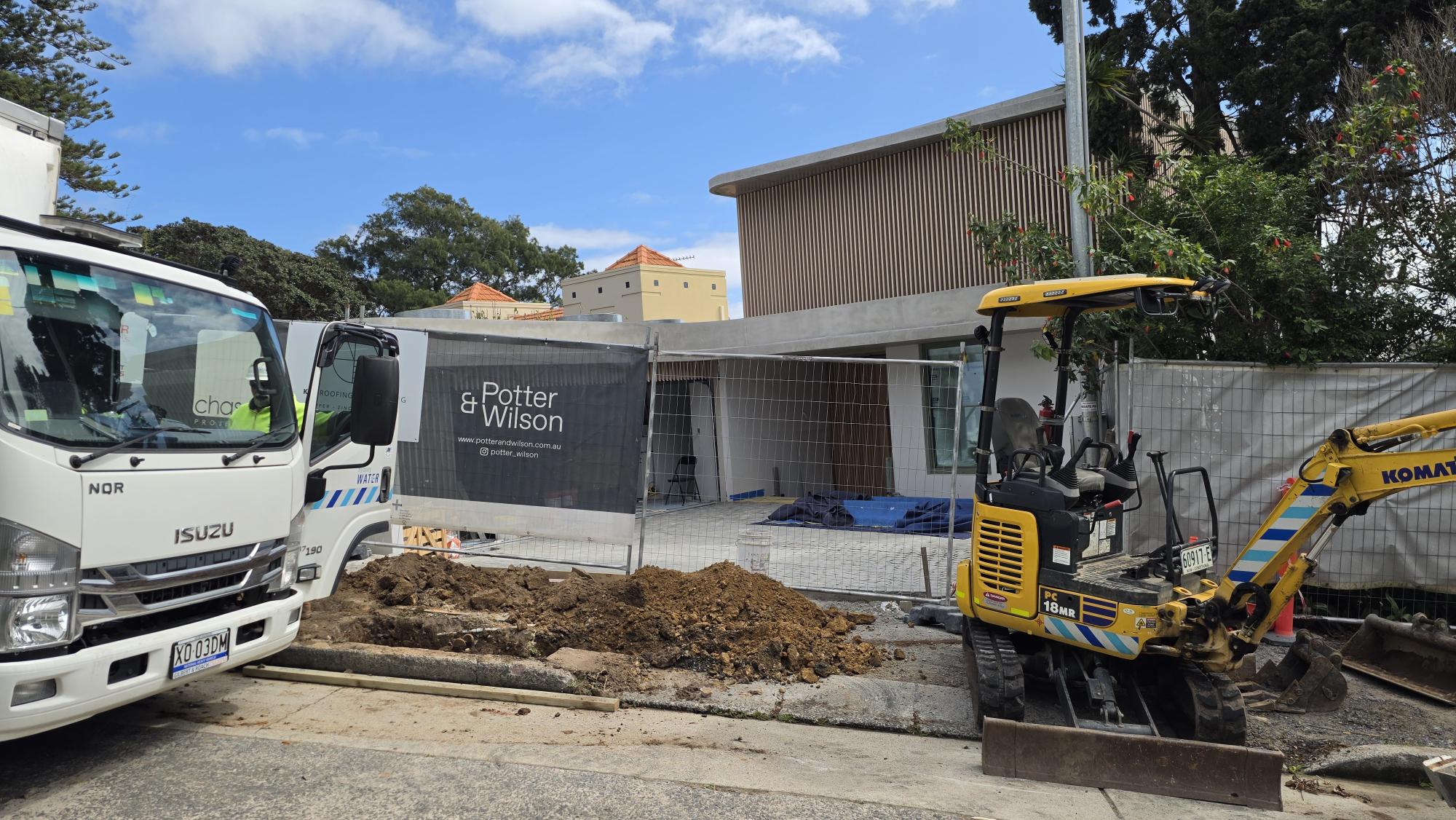
Residents of Kirkoswald Avenue said they received no SMS, email or letterbox notice before supply was cut off so a builder could replace water pipes serving a single property being built by Potter & Wilson who also failed to tell customers that they were set to interupt supply.
One household two doors from the excavation had cleaners booked for the day and now faces a bill for work that could not be completed without running water.
When residents approached Sydney Water staff on site, they were told the outage was “not our fault”.
The absence of notice contrasts with the SMS and email messages the utility routinely sends customers about billing and potential supply restrictions.
Sydney Water has shifted customers to electronic billing, citing reduced paper use.
This is an organisation is well known for complaints to the extent that they have tried to mask the level of complaints blaming a CRM system for their failure to report accurate numbers, this is the same CRM system that seems to work when they bombard consumers with threats of ‘cutting the water supply’ off to a property.
Complaints undercounted by a quarter
Sydney Water’s latest filing with the Independent Pricing and Regulatory Tribunal (IPART), lodged on 1 September 2026, restates its 2024-25 complaint numbers.
The utility’s 2024-25 report put complaints for that year at 3,438. Historical data has since been adjusted to include complaints not previously captured in its customer relationship management (CRM) system, lifting the figure to 4,310, about 25% higher than the number originally published.
The filing shows overflow complaints took an average of 74 business days to resolve, while customer service complaints took 28.
Sydney Water’s target is an initial response within two business days for phone complaints and five for written complaints. Callers to its complaints line are first played a recorded message asking them to be kind to staff.
The filing also records that in December 2025, 4,200 customers were wrongly sent a backflow device “disconnection notice” email. Sydney Water attributed the error to an outdated, inactive processing job that was accidentally reactivated after an internal system upgrade.
Other complaint categories include meter replacement contractors and disputes over responsibility for maintaining pipe junctions.
Restrictions for non-payment nearly double
The number of properties with water services restricted for non-payment rose from 1,042 to 1,949. Restrictions had been paused during COVID.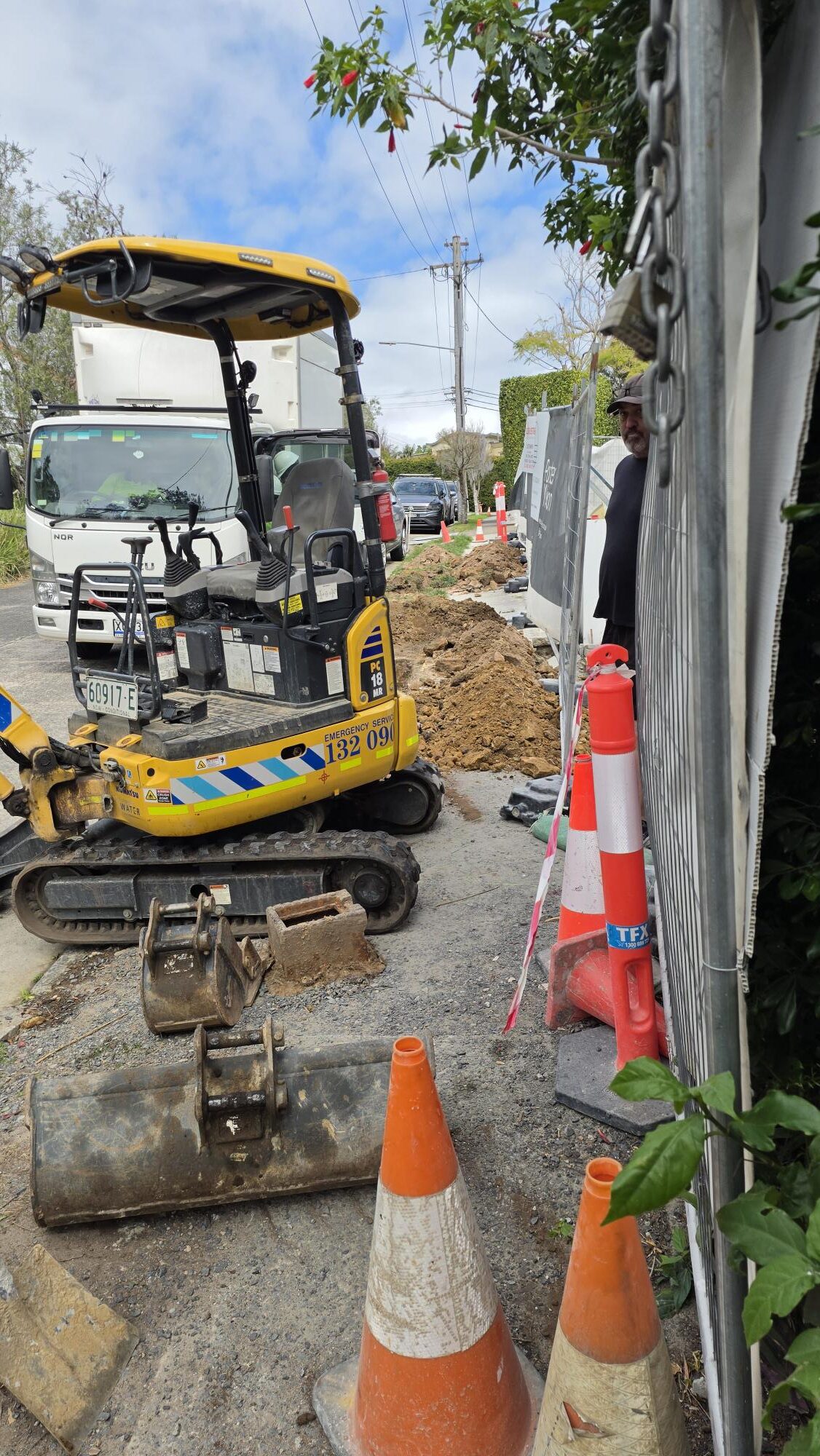
Sydney Water paid just over $1.7 million in Payment Assistance credits to 4,436 households.
Hardship indicators rose sharply between January and March 2026, driven by low income, job changes, illness or disability.
The increases follow successive price rises. Bills rose 13.8%, including inflation, from 1 October 2025, and a typical residential bill rose a further 6.7% plus inflation from 1 July 2026.
Ombudsman reports sharp rise in water complaints
The Energy & Water Ombudsman NSW (EWON) recently reported that complaints about its water members of which Sydney Water is the largest member increased, with billing complaints up 35% and supply-related complaints up 51%.
Malabar and sewer spending under scrutiny
The utility faces broader pressure over its wastewater network. The NSW Environment Protection Authority (EPA) identified Sydney Water’s Malabar system as the likely source of debris balls that washed up on NSW beaches between October 2024 and February 2025.
A $3 billion overhaul of the Malabar wastewater system was announced in January 2026.
During IPART’s 2025 pricing review, coastal councils objected to the regulator accepting a 64% cut to Sydney Water’s proposed critical sewers program, warning Sydney risked following the path of the UK’s Thames Water, which has been plagued by ageing infrastructure and environmental fines.
A separate 2025 submission to IPART argued that outsourcing development approvals to Water Services Coordinators was not delivering appropriate environmental, asset or service outcomes.
Sydney Water had not responded to a request for comment at the time of publication.