Google Threatens Play Store Penalties For Memory-Hungry Android Apps
 Joe Gallop
28 Aug 2026
Joe Gallop
28 Aug 2026

Google is tightening restrictions on how much memory Android apps can consume as the global RAM shortage begins to squeeze the software industry.
From February 2027, Android apps and games will be required to meet new memory usage thresholds or risk reduced visibility and publishing capabilities on Google Play.
The crackdown follows the introduction of per-app memory limits with Android 17, initially appearing on Google’s Pixel smartphones. Apps exceeding those limits can be slowed down or terminated by the operating system.
Google said the changes would help developers navigate “industry-wide hardware constraints” affecting the amount of memory available in consumer devices.
The company expects more Android manufacturers to use the limits over the coming year across smartphones with configurations ranging from 4GB to more than 16GB of RAM.

Google is establishing performance thresholds covering areas including dynamic memory and bitmap usage. It is also imposing code optimisation requirements intended to reduce app slowdowns, instability and crashes.
Developers will receive alerts when their apps exceed the thresholds, giving them an opportunity to reduce memory consumption before enforcement begins. Further diagnostic tools are due later this year, including insights from Android 17’s Memory Limiter.
Apps and games that continue to breach the limits could become harder to discover through Google Play or face restrictions on developers’ ability to publish updates.
The move comes as surging demand from AI data centres places pressure on global memory chip supplies, contributing to higher component costs and raising concerns that manufacturers could reduce the amount of RAM included in lower-cost smartphones.
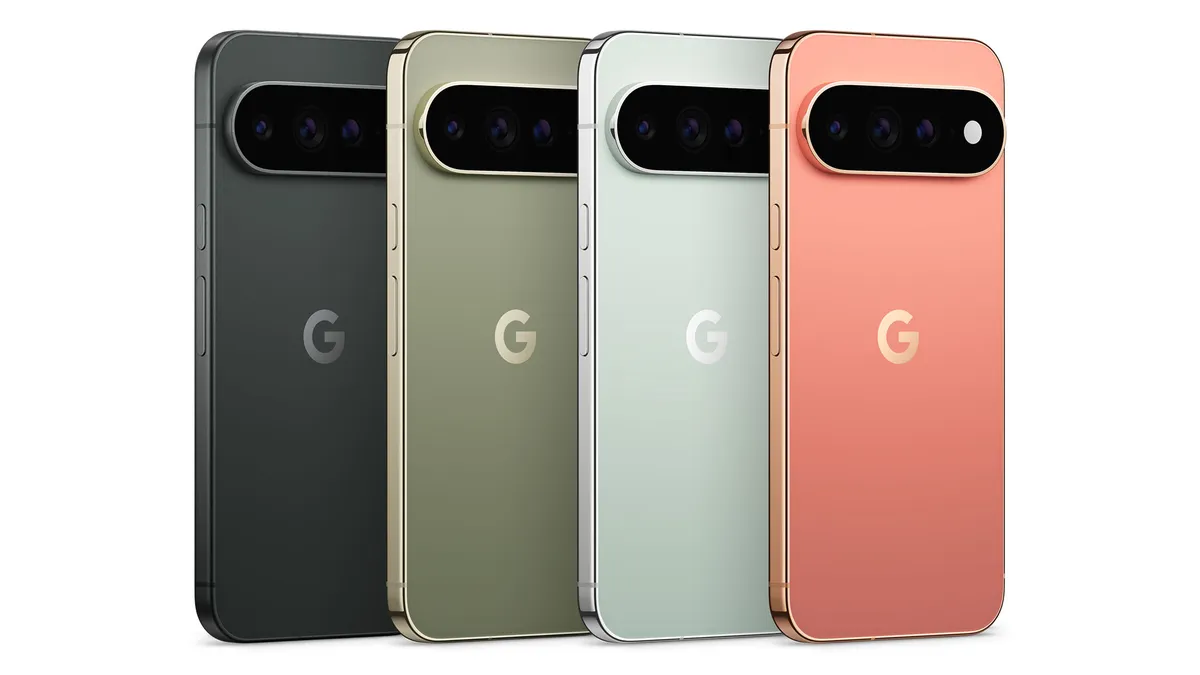
Google’s Pixel 11 Pro and Pixel 11 Pro XL reportedly launched with less RAM in their base configurations than the previous generation, illustrating how the shortage may begin reshaping premium devices as well.
Google is separately requiring Play Store apps with account sign-ins to support Zero Tap Sign-In restoration by April 2027. The feature uses Android’s Restore Credentials system to automatically restore a user’s signed-in state when they move to another Android device.
For Android users, the tighter rules could produce more efficient apps with fewer crashes, particularly on affordable phones.
Developers, however, now have less than six months to optimise their software or potentially face Play Store penalties.