15,000 More Satellites: Starlink Steps Up Its Telco Challenge
 Emma Wheaton
12 Oct 2026
Emma Wheaton
12 Oct 2026
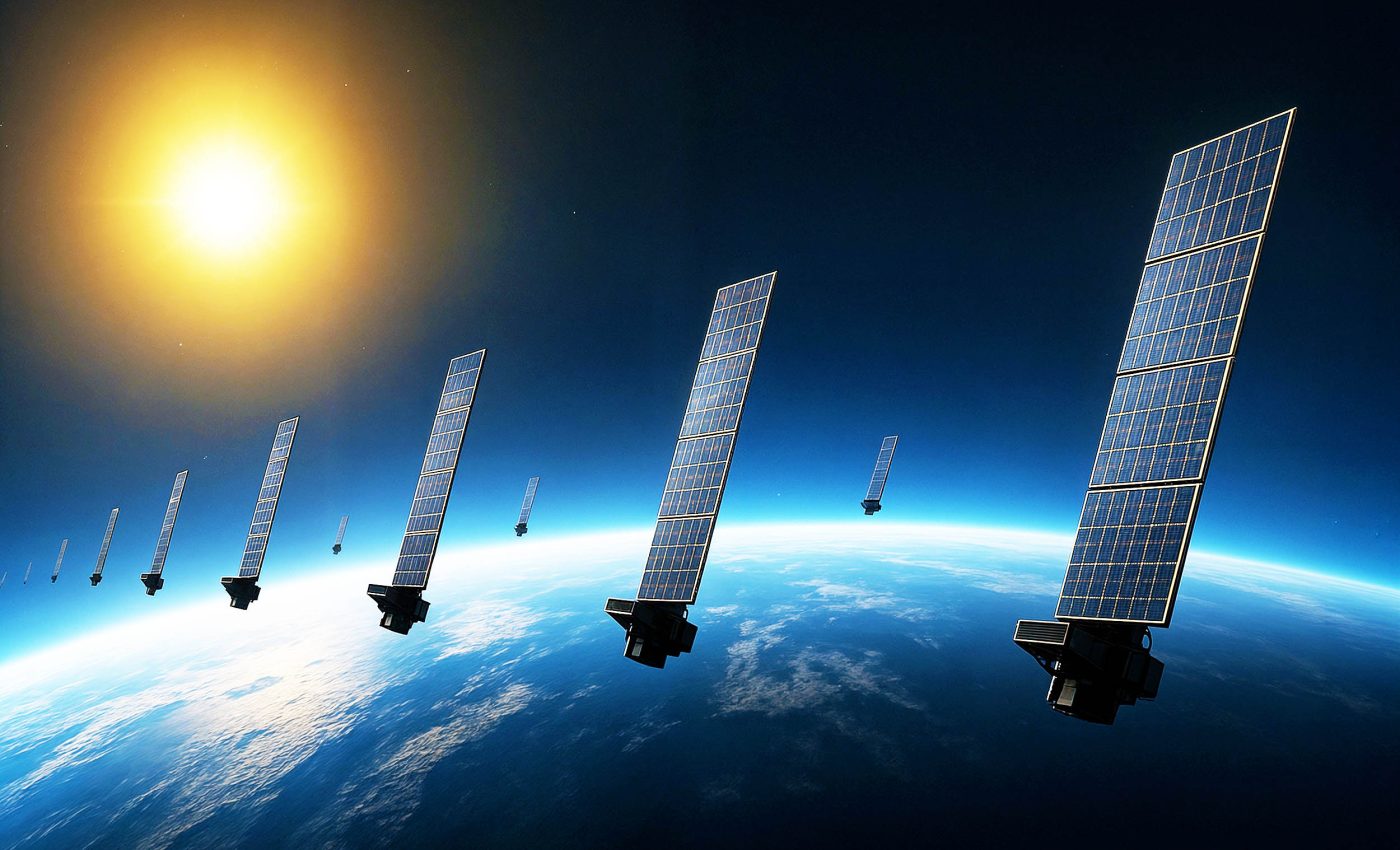
SpaceX’s Starlink satellite network has received a regulatory boost in the US, with the Federal Communications Commission (FCC) authorising its expansion of up to 15,000 second-generation satellites.
The approval marks another step in Elon Musk’s ambitions to extend Starlink beyond satellite broadband and into services that could compete more directly with traditional telecommunications operators.
According to reports, the FCC’s Space Bureau has approved the satellites for mobile satellite services, supplemental coverage from space and fixed satellite services. The decision supports SpaceX’s plans to expand direct-to-device connectivity.
The expanded network will include Starlink’s V2 Mobile satellites, which are designed to improve connectivity for mobile devices outside conventional network coverage.
The company is targeting areas where traditional mobile infrastructure is limited, including remote regions and locations where building or maintaining mobile towers can be challenging.
The technology could also provide an alternative option during emergencies and network outages, although performance will depend on satellite availability, device compatibility and regulation in each market.
The FCC’s decision follows an earlier authorisation for 7,500 second-generation satellites in January 2026. The regulator has deferred approval for a further 14,988 satellites included in SpaceX’s broader application, meaning the latest decision does not grant permission for the entire proposed constellation.
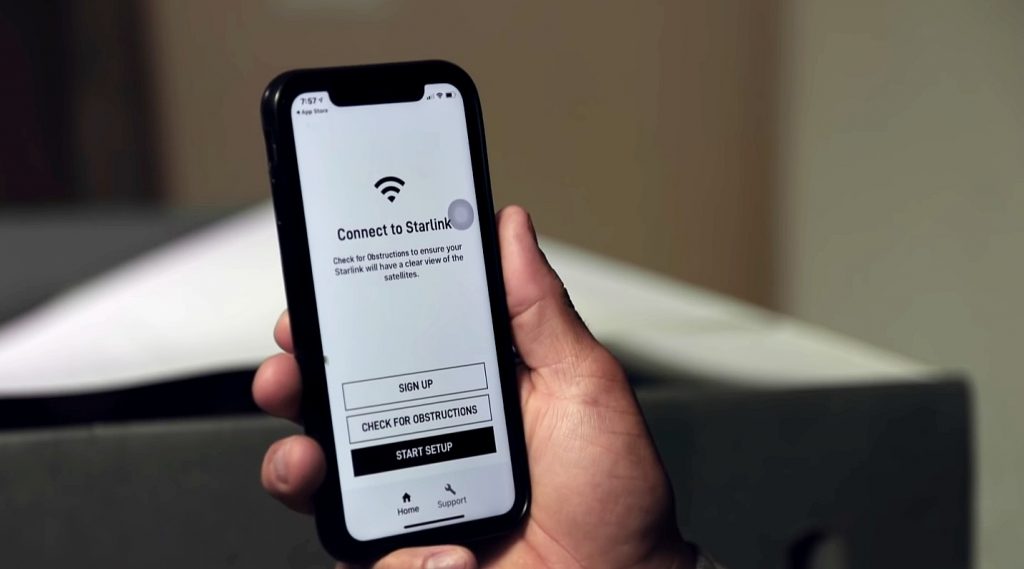
Starlink’s expansion comes as satellite operators increasingly look to connect directly with smartphones, which could affect telecommunications companies.
In the US, SpaceX has secured spectrum through agreements with EchoStar and is looking to use its satellite infrastructure to expand mobile services.
It’s also moved towards acquiring additional low-band spectrum, which has the potential to support connectivity in areas where satellite signals struggle to penetrate buildings.
However, establishing a competitive mobile service will require more than satellites alone. Network capacity, spectrum availability, ground infrastructure and device compatibility will also all influence how effectively Starlink can compete with established operators.
The developments could prove beneficial for remote and regional Australian communities.
Starlink already provides satellite broadband services in Australia, while direct-to-device technology could eventually mean additional options for people who are outside areas of conventional mobile coverage.