Why You Shouldn’t Rush To Buy Google’s New Pixel 11: More Money, Less Phone
 David Richards
13 Aug 2026
David Richards
13 Aug 2026
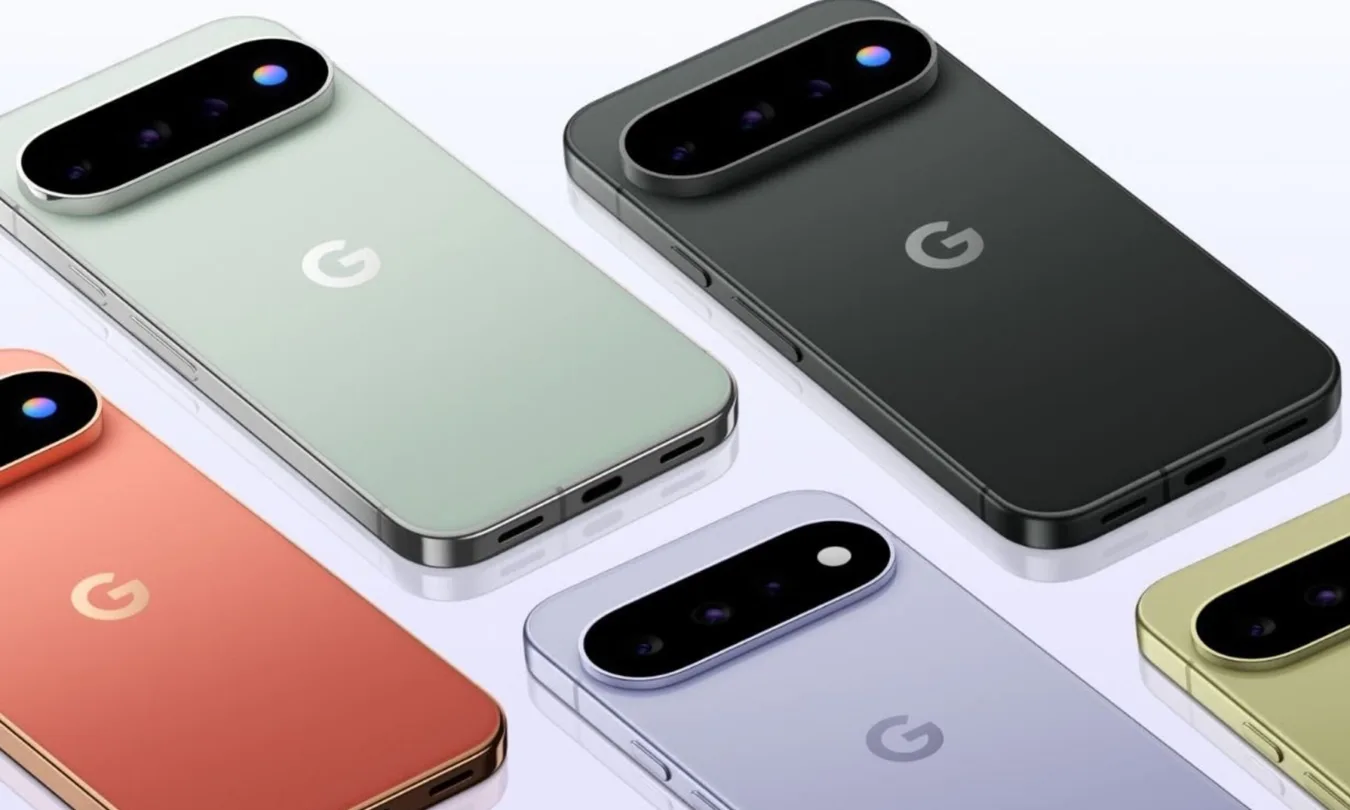
Google has ended its run as the smartphone market’s last holdout on pricing, whacking Australian consumers with increases of up to $250 on its new Pixel 11 range, and reviewers are already warning that the latest models simply don’t deliver enough to justify the spend.
The sharpest sting is reserved for entry level buyers. With Google axing the 128GB base model, the cheapest way into a new flagship Pixel has jumped from A$1,349 to A$1,599, an 18.5% hike, while premium Pro 11 buyers cop a comparatively modest $100 rise.
On a like-for-like 256GB comparison, the Pixel 11 is up $100, or about 6.7%, over the Pixel 10’s A$1,499. Either way, the message from reviewers is blunt: this is a refinement year, not an upgrade year, and consumers are being asked to pay significantly more for it.
‘Not A Worthy Upgrade’
The Verge has told Pixel 10 owners the new model is “not a worthy upgrade”, claiming it delivers little more than the phone it replaces.
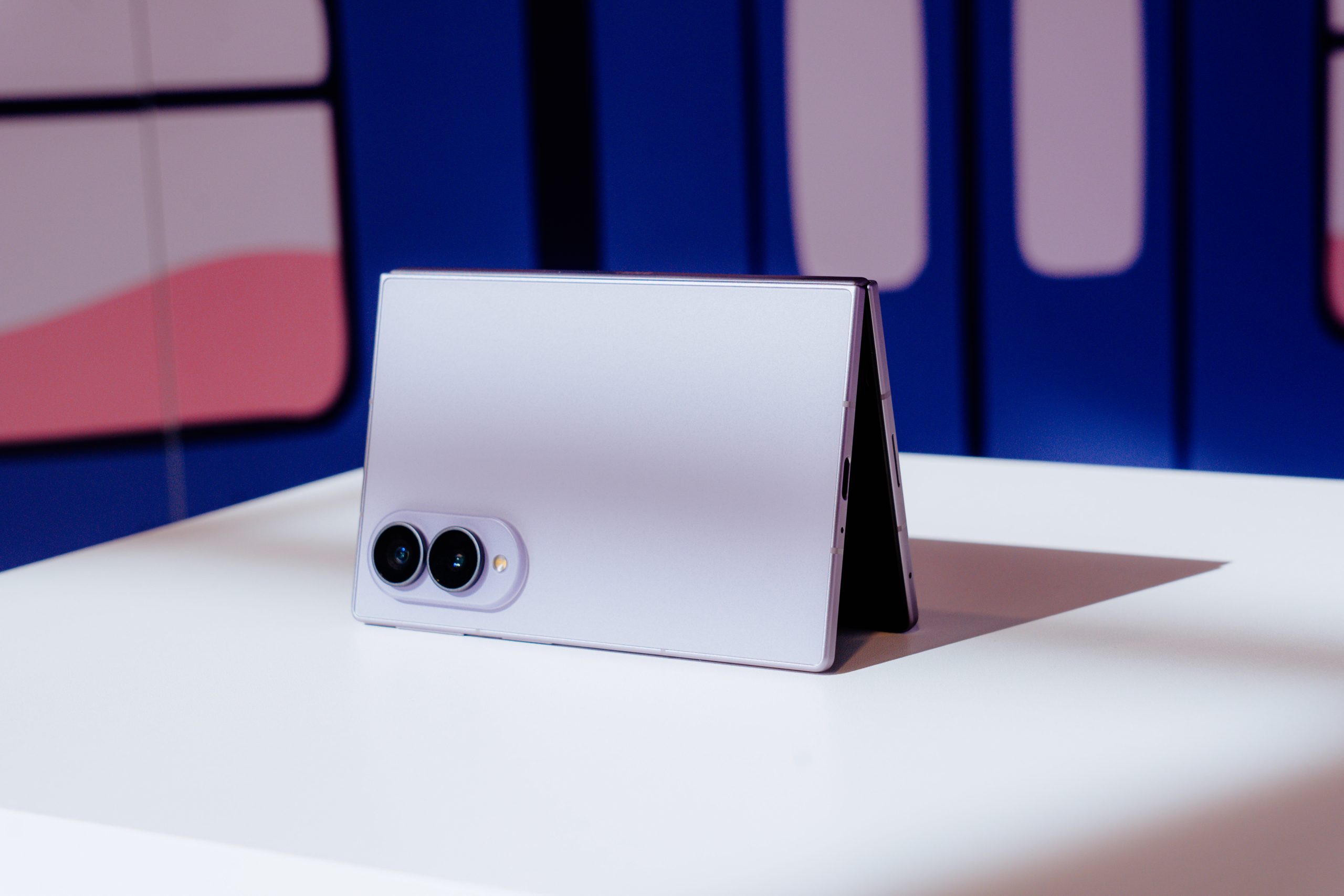
Yes, there’s a new Tensor G6 processor across all four models, upgraded cameras, a new display and wireless charging improvements, along with design refinements. But the headline new feature, Pixel Glow, a coloured light system built into the camera bar, has been dismissed by reviewers including PhoneArena as a gimmick that moves none of the numbers Pro buyers actually care about: charging speed, sustained performance and battery endurance, areas where Samsung and Qualcomm-powered rivals compete hard at the same price.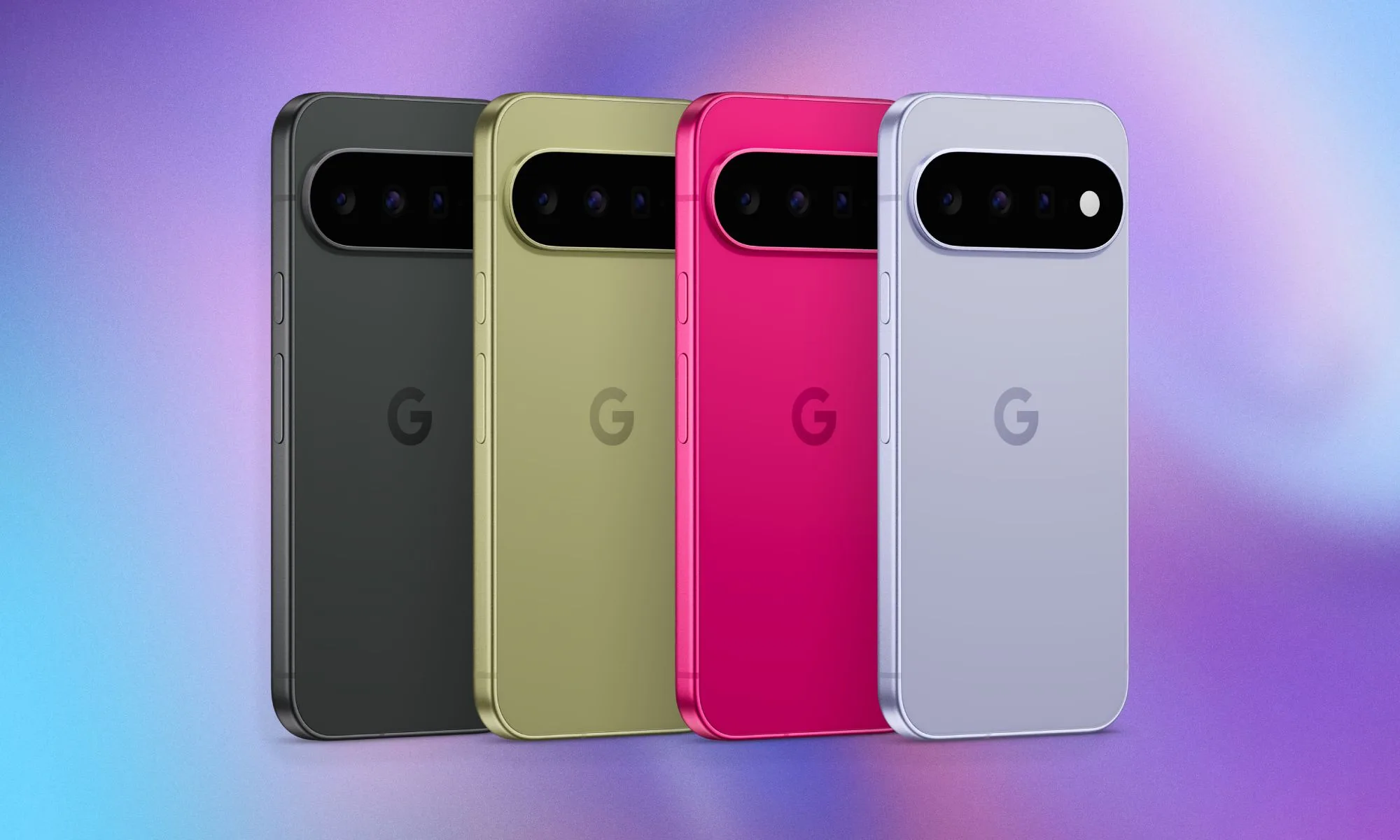
Paying More For Less
Worse, buyers may be paying more for less. The Pixel 11 Pro reportedly ships with 12GB of RAM, down from the 16GB that has been standard in Pro models since the Pixel 9 Pro, while leaked battery figures suggest the Pro and Pro XL pack smaller batteries than the Pixel 10 models they replace.
Forum sentiment on Reddit has been openly hostile to the pricing, with some Pixel 10 owners flatly declaring they’ll skip this generation.
Google Blames RAM Crisis, Warns Of More Rises
Google is blaming memory costs, not margin. Google VP of Devices and Services Shakil Barkat called it a “severe, supplier-driven RAM memory crisis”, citing Morgan Stanley data showing the cost of 1GB of RAM has jumped from US$2.80 in 2025 to US$12 this year.
Ominously, Barkat also flagged that price “adjustments” would hit Pixel phones already on the market, meaning current models could get more expensive too. Google says it is working to reduce memory requirements across Android and its app ecosystem to compensate.
The base Pixel 11’s pricing lands above an iPhone 17 but below a Galaxy S26. Samsung has already lifted prices across its Galaxy Z8 lineup, and Apple is widely tipped to follow with a pricier iPhone 18 range next month.
For consumers, the maths is simple. A modest spec bump, a light show on the camera bar, less RAM in the Pro, and up to 18.5% more on the price tag. On the evidence so far, Pixel 10 owners, and anyone shopping the flagship market, have every reason to sit this one out.