Costco’s A$5.66 Billion Retail Assault Threatens JB Hi-Fi, Harvey Norman And The Good Guys
 David Richards
13 Oct 2026
David Richards
13 Oct 2026

US retail giant Costco is emerging as a growing threat to Australia’s consumer electronics and appliance retailers, with the membership warehouse operator generating A$5.66 billion in annual sales from just 15 stores while expanding its assault on traditional retail categories.
JB Hi-Fi, The Good Guys, Harvey Norman, Bing Lee and Australia’s major supermarket chains in particular Aldi with their ‘Specials’ are increasingly facing competition from the US retail giant, whose business model allows it to sell everything from groceries and petrol to premium televisions, smartphones, computers and whitegoods under one roof.
What makes Costco particularly dangerous for traditional retailers is its ability to attract consumers shopping for everyday essentials and then convert that traffic into sales of expensive consumer electronics and appliances, often at aggressively competitive prices.
According to Costco Australia’s latest financial figures, reported in its 2026 ASIC filings, revenue increased from A$5.15 billion in FY2024 to A$5.66 billion in FY2025, representing growth of almost 10%.
That is an additional A$510 million in annual sales from a retailer operating a fraction of the stores run by its major competitors.
The company, which entered Australia in 2009 with its first warehouse at Melbourne’s Docklands, now has an estimated 1.5 million Australian members.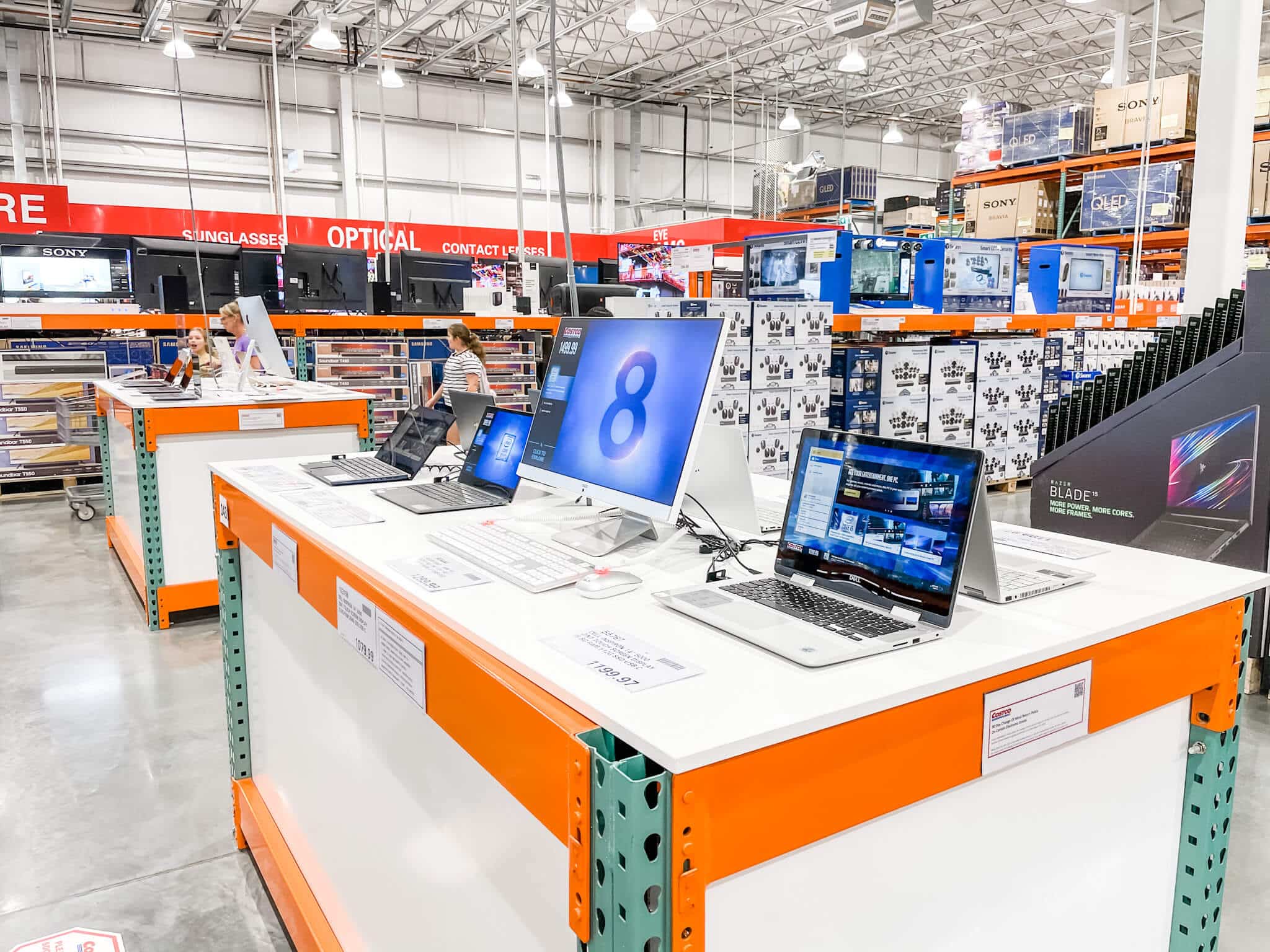
More Stores Coming
More concerning for established retailers is Costco’s reported ambition to open as many as 20 additional Australian warehouses over five years.
While these plans, reported in February 2026, are not confirmed store openings, they point to a potentially significant expansion of Costco’s competitive footprint.
For traditional electrical retailers, the problem is that Costco is no longer simply a bulk grocery and household products business.
It is increasingly competing in categories that have historically delivered valuable sales and margins to specialist retailers.
Samsung, LG Electronics, Sony, Hisense, TCL and Dyson are among the major consumer electronics and appliance brands represented in Costco Australia’s product range.
Samsung products listed by Costco have included Neo QLED and Mini LED televisions, Galaxy smartphones, foldable devices, smartwatches, earbuds, microwaves and other appliances.
LG Electronics products include OLED televisions, refrigerators, washing machines, microwaves and computer monitors.
Sony BRAVIA televisions, Hisense large-screen TVs and TCL QLED and Mini LED models, including 98-inch televisions, are also represented.
Costco’s broader offering extends into Dyson cordless vacuum cleaners, gaming equipment, security products, cameras, coffee machines, dishwashers and heating and cooling appliances.
Premium audio brands including Bose, JBL, Klipsch, Sony and Sonos have also appeared in its Australian catalogue.
Direct Competitor
This puts Costco directly into competition with retailers that have spent decades building specialist consumer electronics and appliance businesses.
Several consumer electronics and appliance brands that already distribute products through Costco in the United States have told ChannelNews that the low-margin warehouse model is attractive.
For suppliers, Costco offers access to a large membership base, substantial warehouse traffic and the opportunity to generate incremental sales without the same level of in-store demonstration and merchandising associated with specialist retailers.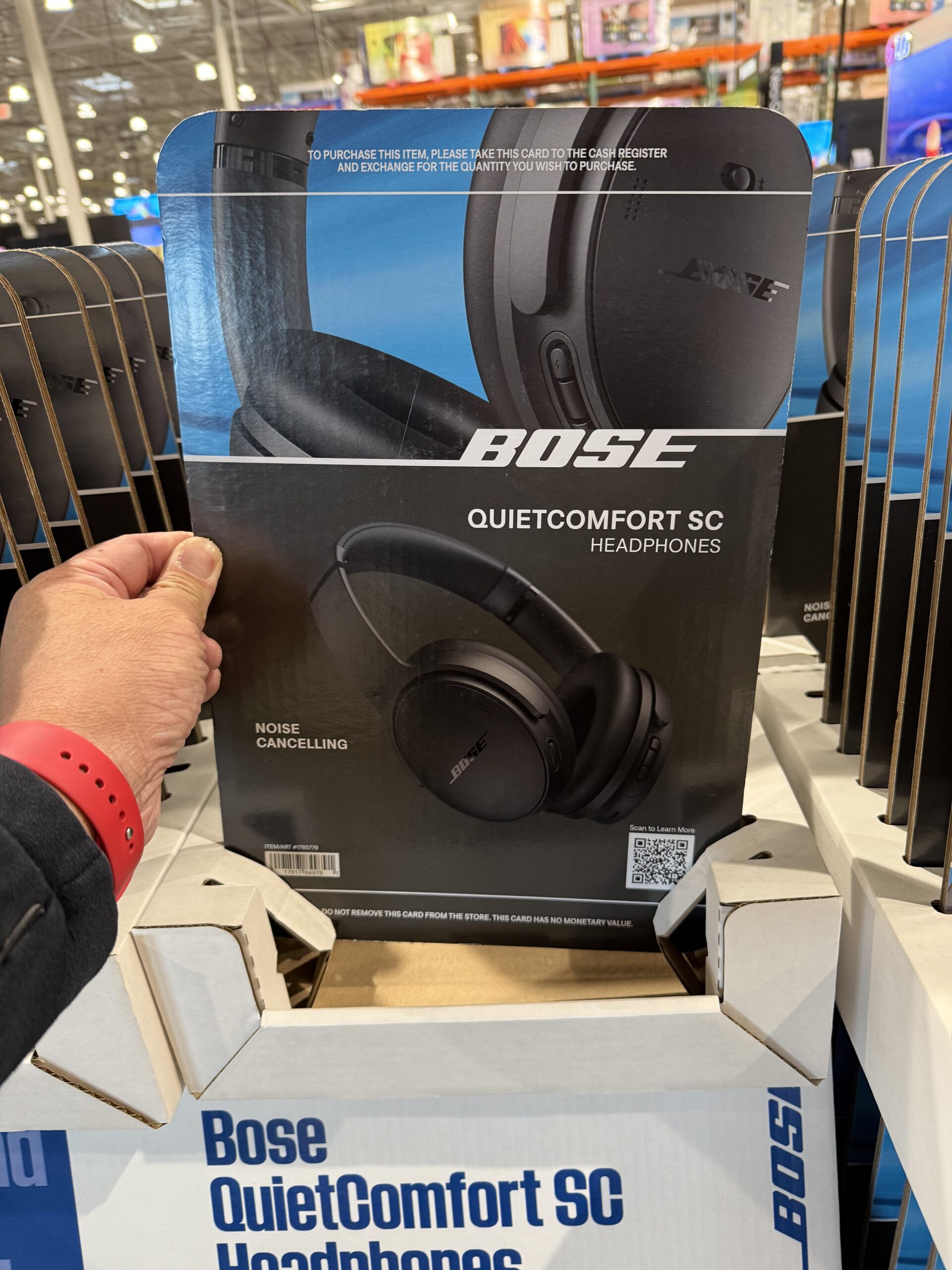
For traditional retailers, however, the consequences could be considerably less attractive.
A$566 Million In Electronics Sales Would Be Enough To Hurt
While Costco does not publicly disclose a detailed Australian revenue breakdown for consumer electronics and appliances, even a relatively modest share of its A$5.66 billion turnover would make it a significant competitor.
If electronics and appliances represented just 10% of Costco Australia’s annual sales, the category would generate approximately A$566 million.
At 15%, that figure would climb to A$849 million.
These are illustrative estimates rather than disclosed category sales, but they demonstrate the scale of Costco’s potential impact.
Unlike a traditional electrical retailer, Costco does not need to attract a customer specifically looking for a television, smartphone or washing machine.
A consumer arriving to purchase groceries, household essentials or petrol can also walk out with a A$3,000 television, a A$2,500 smartphone or a premium appliance.
This creates opportunities to capture discretionary spending that might otherwise have gone to JB Hi-Fi, The Good Guys, Harvey Norman or Bing Lee.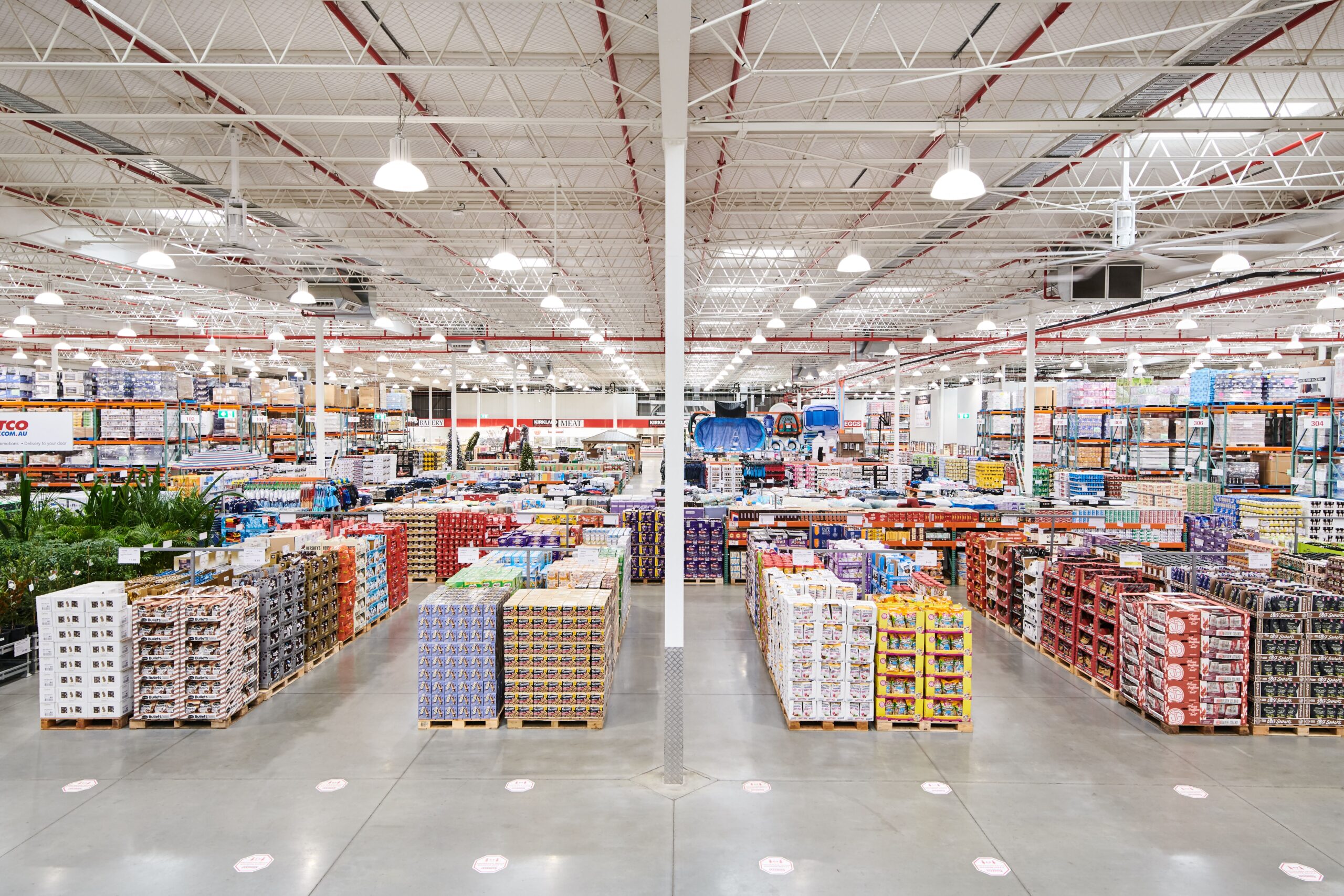
Retail observers believe the competitive pressure is particularly relevant in catchment areas surrounding Costco warehouses, where consumers can compare the warehouse operator’s prices with those of nearby specialist retailers.
The threat is not necessarily the number of televisions or appliances Costco sells.
It is also the impact that a sharply discounted television, washing machine or smartphone can have on the pricing strategies of competing retailers.
A single heavily promoted model can force competitors to respond with discounts or price matching, putting pressure on margins across an entire product category.
Membership Model Gives Costco A Different Economic Advantage
One of Costco’s biggest competitive advantages is its membership-based business model.
Unlike traditional retailers, which depend heavily on the margins generated from merchandise sales, Costco collects annual membership fees.
This provides an additional revenue stream and supports a retail strategy built around competitive pricing, high stock turnover and repeat customer visits.
Its estimated 1.5 million Australian members also represent a valuable direct customer relationship, allowing Costco to communicate offers and encourage repeat purchases.
The membership model creates another advantage.
Consumers who have already paid to join Costco have an incentive to return and take advantage of the savings available across its product range.
For suppliers, this provides access to an established audience of consumers who are already engaged with the retailer.
Costco also promotes benefits that compete directly with the service propositions offered by specialist electrical retailers.
These include a 90-day change-of-mind returns policy for specified electronics, delivery options and rewards associated with Executive Membership.
For consumers considering expensive televisions or appliances, these benefits can make the warehouse operator a credible alternative to a specialist retailer.
Suppliers Face A Growing Channel Conflict
The emergence of Costco as a serious electronics and appliance retailer also presents a dilemma for major manufacturers.
Samsung, LG Electronics, Sony, Hisense and TCL depend heavily on established Australian retailers to promote their products, provide demonstrations, train sales staff and explain the differences between competing technologies.
Retailers also invest heavily in advertising, store displays and customer service to support these brands.
Costco offers manufacturers an additional sales channel and access to a substantial membership base.
However, it also creates the potential for greater price competition between retailers selling the same brands.
This is particularly sensitive in televisions, where aggressive promotional pricing and frequent discounting have already placed pressure on retail margins.
The presence of premium OLED, Mini LED and large-screen televisions in a membership warehouse also challenges the traditional assumption that consumers will visit specialist retailers to purchase expensive home entertainment products.
For brands, the attraction is additional volume.
For established retail partners, the risk is that those incremental sales come at the expense of their own turnover and profitability.
That risk becomes greater if suppliers expand their Costco ranges into more premium products or allow the warehouse operator to compete aggressively on models also sold through specialist electrical retailers.
UBS Flags Growing Competitive Pressure
UBS researchers have identified Costco’s proposed Australian expansion as a potential source of additional competitive pressure on the local electrical retail market.
The warehouse operator’s existing network is concentrated in major metropolitan markets, limiting its reach compared with national retailers.
However, a substantial increase in warehouse numbers would expose more Australian households to Costco’s pricing and membership model.
That could have consequences well beyond supermarkets.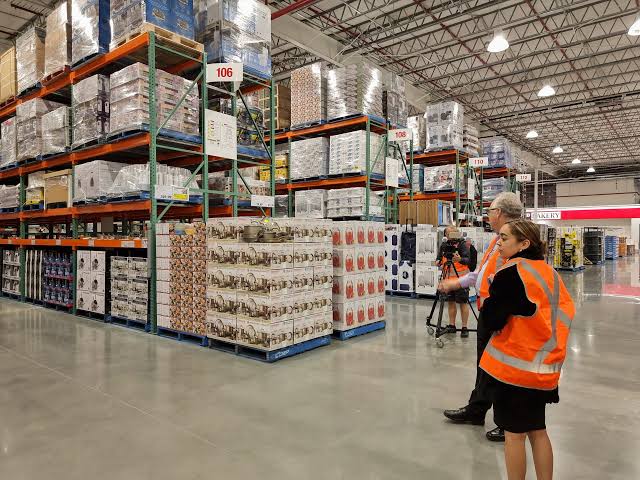
Every additional warehouse potentially brings another competitor into the market for televisions, computers, smartphones, whitegoods, floorcare and small appliances.
It also introduces a retailer capable of generating substantial traffic from grocery and household purchases without relying exclusively on discretionary consumer spending.
That distinction is becoming increasingly important as Australian retailers face more cautious consumers, rising household costs and pressure on discretionary spending.
Traditional electrical retailers must work to attract consumers into their stores or onto their websites specifically to purchase technology and appliances.
Costco can attract those same consumers through everyday shopping and then compete for their occasional big-ticket purchases.
Traditional Retailers Face Another Margin Threat
The emergence of Costco comes at an awkward time for Australia’s established consumer electronics and appliance retailers.
Retailers are already facing intense competition from online marketplaces, direct-selling manufacturers and discount-driven promotional campaigns.
Costco introduces another pricing competitor, but one with a fundamentally different business model.
Its relatively small store network has not prevented it from building a multibillion-dollar Australian operation.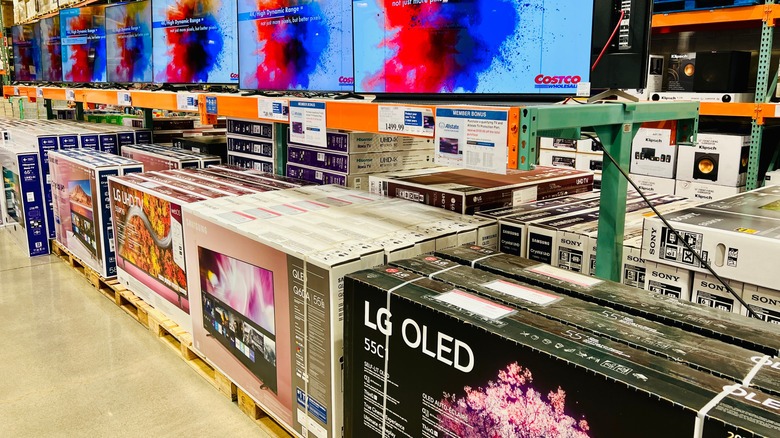
And unlike a specialist electrical retailer, Costco does not have to depend on televisions, smartphones or appliances to generate the majority of its sales.
Its strength in groceries, petrol and household products gives it an established customer traffic base from which to compete for more profitable discretionary purchases.
That is particularly relevant for Harvey Norman, JB Hi-Fi, The Good Guys and Bing Lee, which rely on technology and appliance sales as core parts of their businesses.
There is no evidence that Costco’s entire A$5.66 billion Australian turnover is being taken directly from these retailers, with groceries, fuel and other household categories accounting for a substantial part of its business.
Nor has Costco disclosed sufficient category-level information to determine precisely how much of its growth is coming from electronics and appliances.
Nevertheless, the size of its Australian operation and its growing representation of major technology and appliance brands make it increasingly difficult for traditional retailers to ignore.
The real threat is what happens if Costco delivers on its warehouse expansion ambitions while increasing the proportion of consumer electronics and appliances sold through its stores.
For Australia’s established electrical retailers, already fighting to protect sales and margins, Costco is becoming another competitor capable of forcing prices lower while capturing customers who might otherwise have shopped elsewhere.
And with A$5.66 billion in annual Australian revenue from just 15 warehouses, Costco has demonstrated that it does not need hundreds of stores to become a significant force in Australian retail.