Federal Court Blocks FTC Rule That Would Have Simplified Subscription Cancellations
 Isabella Alexiou
15 Jul 2025
Isabella Alexiou
15 Jul 2025

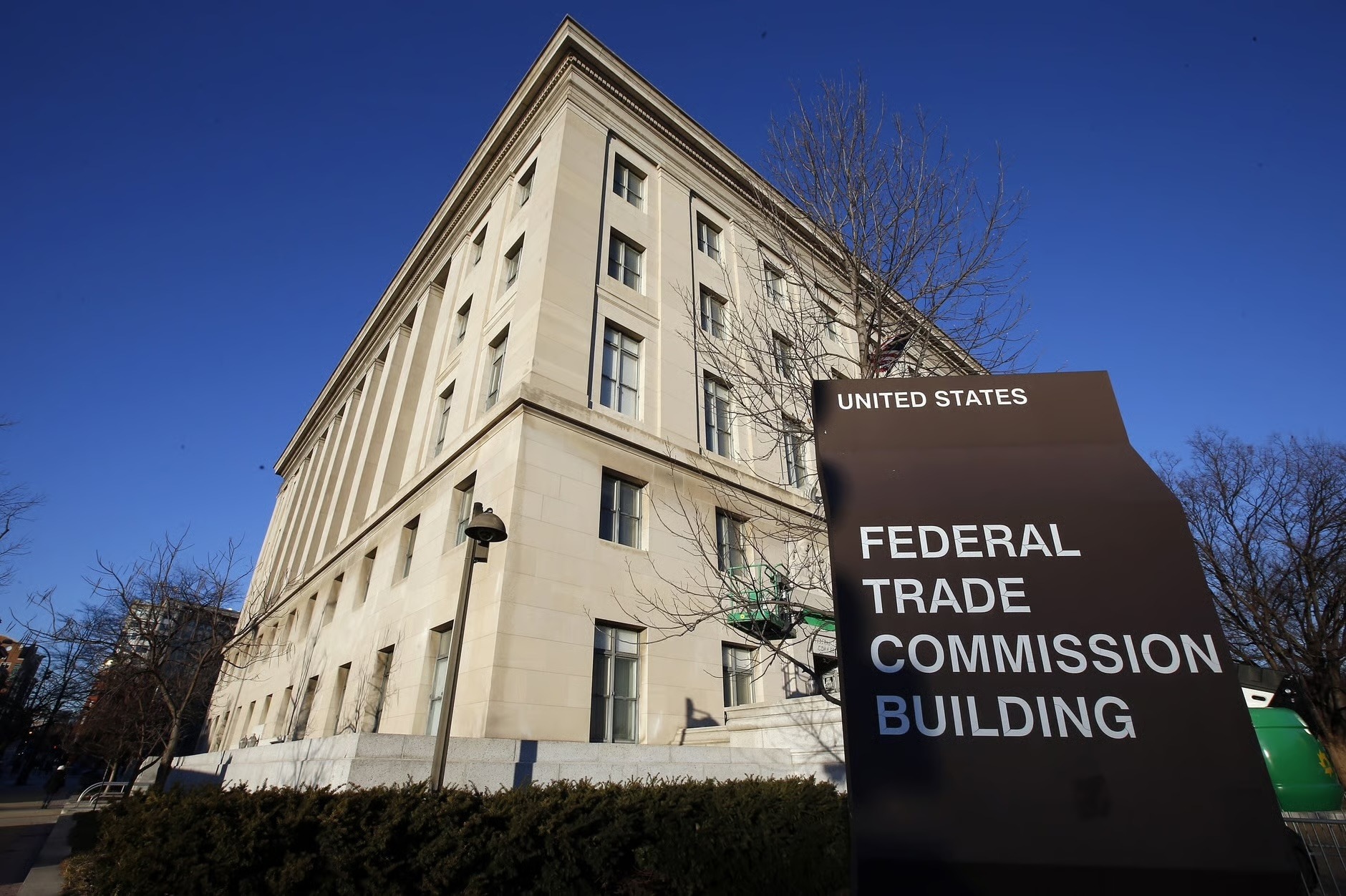
A US federal appeals court has struck down the Federal Trade Commission’s Click-to-Cancel rule, effectively blocking regulations that would have made it easier for consumers to cancel subscription services like Netflix, Adobe, and other digital platforms.
The US Court of Appeals for the 8th Circuit unanimously ruled against the FTC regulation, citing “procedural deficiencies” in the rule’s implementation.
The Click-to-Cancel rule, finalised by the FTC in October 2024, was designed to force subscription service providers to offer simple, single-step cancellation processes.
The regulation aimed to prevent companies from creating complex cancellation procedures that make it difficult for consumers to end subscriptions and halt recurring charges.
Under the proposed framework, companies would have been legally required to provide straightforward mechanisms for customers to cancel subscriptions immediately, eliminating the maze of steps and obstacles that currently characterise many cancellation processes.
The rule specifically targeted what the FTC called “negative option features” that automatically renew subscriptions without clear cancellation pathways.
The regulation was originally scheduled to take effect 180 days after publication in the Federal Register, but implementation was delayed by the change in federal administration and lawsuits filed by major telecommunications and entertainment companies.
These industry challenges ultimately contributed to the court’s decision to overturn the rule entirely.
Major subscription service providers, including Adobe, Amazon, Netflix, and other technology giants, opposed the regulation, arguing it would interfere with their business models and customer retention strategies.
These companies typically rely on subscription revenue and often implement multi-step cancellation processes that include retention offers, survey requirements, and confirmation steps.
The court’s ruling means consumers will continue facing complex cancellation procedures across various subscription services spanning streaming entertainment, software, fitness, news, and other digital platforms.
Current industry practices often include requiring phone calls to customer service, navigating multiple web pages, or completing surveys before cancellation completion.
Consumer advocacy groups had supported the Click-to-Cancel rule as a significant transparency victory that would provide more convenient and user-friendly methods for ending unwanted subscription fees.
The regulation was seen as addressing widespread complaints about deceptive subscription practices and hidden cancellation requirements.
The FTC has not yet commented on the court decision or indicated whether it will attempt to restructure its regulatory approach through a revised rule.
The commission’s track record on challenging major technology companies has been mixed, including its unsuccessful opposition to Microsoft’s acquisition of Activision-Blizzard-King in 2023.
The ruling comes amid broader debates about consumer protection in the digital economy, where subscription-based business models have become increasingly prevalent across industries.
The prevalence of recurring billing arrangements has created ongoing tension between company revenue strategies and consumer convenience preferences.
Without federal regulation, individual states may pursue their subscription cancellation requirements, though such patchwork approaches typically provide less comprehensive consumer protection than unified federal standards.
The court decision effectively maintains the status quo, where subscription cancellation complexity varies significantly across different service providers and platforms.