EXCLUSIVE: Australia To Get Big Starlink Boost As Popular Service Takes Off
 David Richards
13 Jan 2026
David Richards
13 Jan 2026

Australia, which has recently experienced slowing Starlink speeds due to rapid subscriber growth, is set to benefit from a decision by the US Federal Communications Commission (FCC) allowing SpaceX to launch an additional 7,500 Starlink satellites.
The move is expected to significantly boost Starlink’s service offering in Australia, as more Australians than ever invest in satellite broadband. In announcing the decision, the FCC said the expansion would enable SpaceX to deliver high-speed, low-latency internet globally, including enhanced mobile and supplemental coverage from space.
The approval follows the FCC’s authorisation of SpaceX’s first batch of 7,500 second-generation (Gen2) satellites in late 2022 and represents another incremental step in the company’s broader plan to deploy nearly 30,000 satellites in total. The FCC noted that authorising additional satellites was in the public interest, even though the Gen2 upgrade satellites have yet to be fully tested in orbit.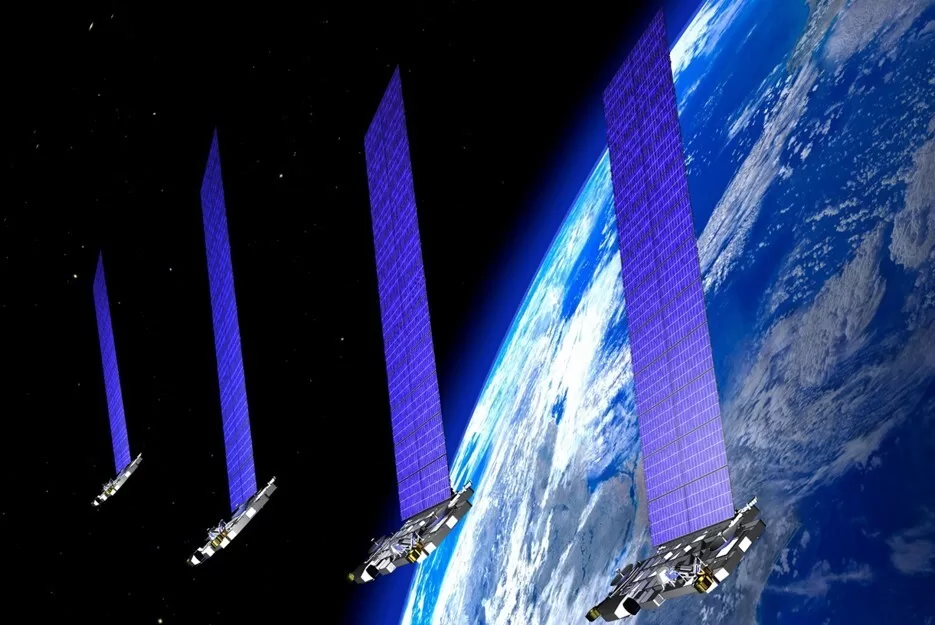
Starlink has become a strong growth business in Australia, with retailers such as JB Hi-Fi selling Starlink dishes and Telstra offering Starlink services. While uptake was initially slow after the service launched locally in 2021, with only a few hundred users, growth has accelerated rapidly. By 2023, Starlink had nearly 100,000 Australian subscribers.
That figure doubled to around 200,000 in 2024 and has since climbed to more than 280,000 users. Growth has been particularly strong in regional and remote areas, where traditional broadband networks are limited. Australia’s vast geography and large rural population have made Starlink especially attractive, driving adoption beyond traditional satellite services and even drawing customers away from NBN satellite offerings.
Globally, Starlink now has around 9.2 million connected customers, having added 4.6 million users in 2025 alone. The service launched in 35 new markets last year and is now available in 155 countries, covering a population of approximately 3.2 billion people. SpaceX has also signed agreements with 27 mobile network operators, with its direct-to-cell service reaching millions of mobile customers.

Starlink with Telstra
Starlink with Telstra
FCC Chairman Brendan Carr described the approval as a major milestone, calling it a “game-changer for enabling next-generation services.” He said the authorisation of thousands of new, advanced satellites would allow SpaceX to deliver unprecedented satellite broadband capabilities, strengthen competition, and help ensure no community is left behind.
Under the approval order, SpaceX is required to launch 50 per cent of the newly authorised satellites by 1 December 2028, with the remaining 7,500 to be placed into orbit within three years of that date.