Think Twice Before Buying a Motorola Phone: Android Updates Remain a Serious Weakness
 David Richards
13 Jan 2026
David Richards
13 Jan 2026
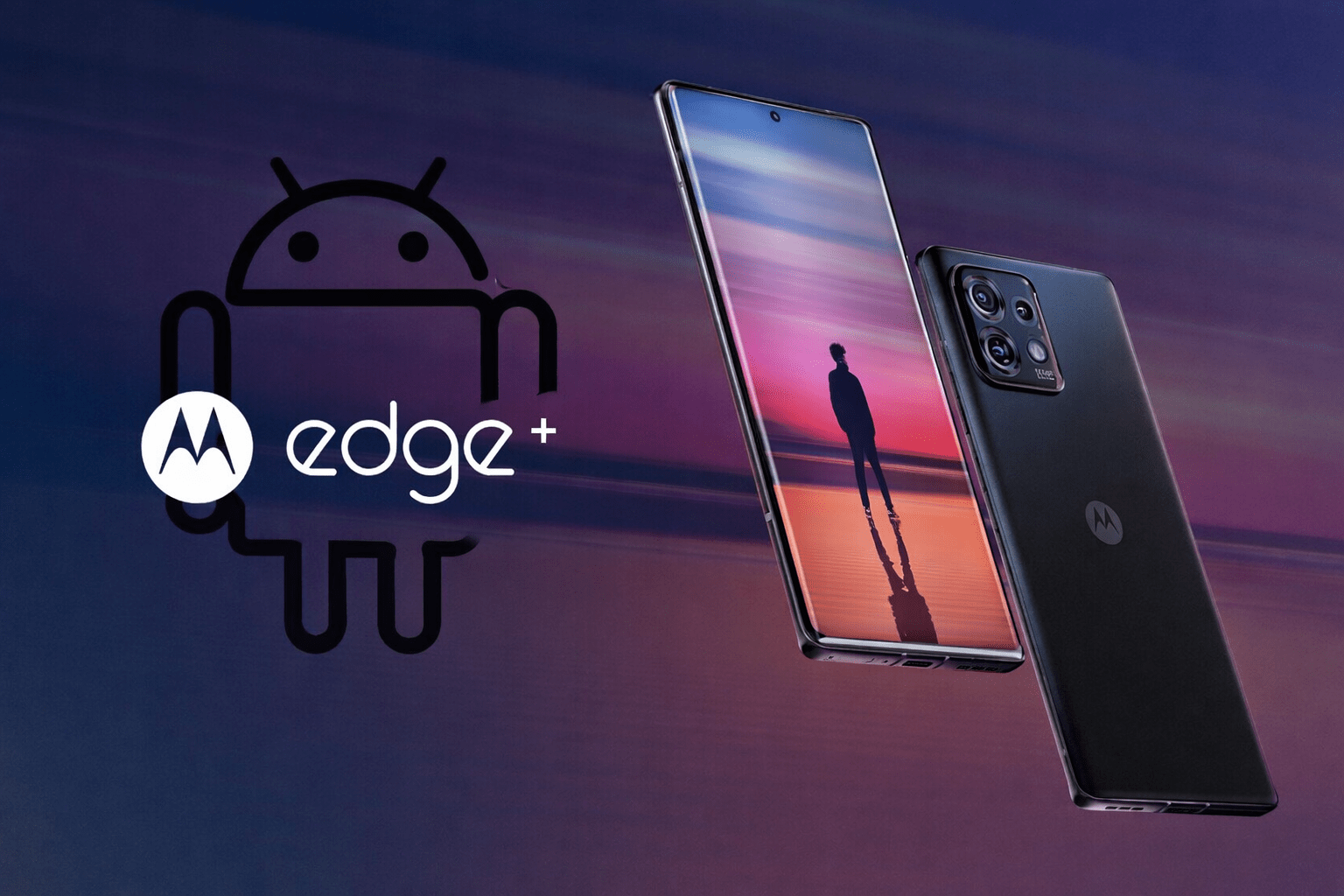
If you’re considering buying a Motorola smartphone, particularly one of its newer China-manufactured models, there’s a major red flag you shouldn’t ignore: Motorola’s chronic failure to deliver timely and long-term Android OS updates. In a market where software longevity now defines value, Motorola continues to lag well behind rivals like Samsung and even Oppo.
This isn’t a fringe complaint. Multiple media outlets have publicly criticised Motorola’s update policy, with some questioning whether the brand’s premium pricing is justified at all.
Android Authority recently pulled no punches:
“Until Motorola brings its Android update commitment in line with its closest rivals, it will be tough for me to recommend buying a Razr, an Edge, or especially a Moto G. There’s just no way I can sit here and tell you to spend up to flagship money on a phone with half the shelf life of its closest competitors.”
That criticism cuts deep when you consider that some Samsung Galaxy A mid-range phones now receive double the Android support of Motorola’s $1,699 Razr Ultra.
Other publications echo the same concern, arguing that Motorola should be offering at least three years of Android OS upgrades and four to five years of security patches as a baseline — standards that competitors already meet or exceed.
One outlet summed it up bluntly:
“That Razr Ultra… that top-shelf foldable needs top-shelf support. Anything less than six years when you’re spending more than the iPhone 17 Pro Max costs is simply unacceptable.”
Promises vs Reality
Motorola claims it is improving. The Lenovo-owned company now says some devices will receive up to five years of Android updates, still trailing Samsung’s six- and seven-year commitments. At CES 2026, Motorola representatives suggested that a future “Signature” device could receive seven years of updates — but that promise remains unproven and limited in scope.
Even Chinese media outlets have repeatedly criticised Motorola for slow, inconsistent software rollouts, undermining confidence in the brand’s global update strategy.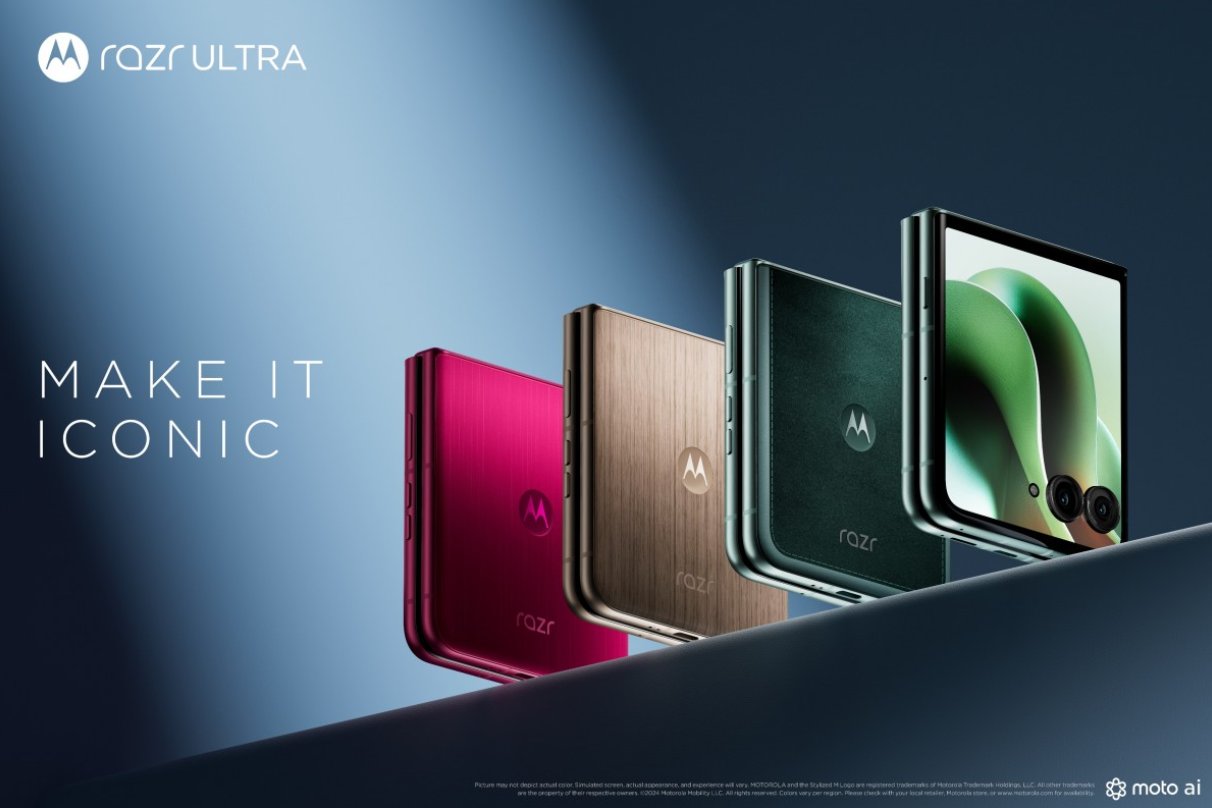
The problem extends beyond flagships. Motorola’s latest update list includes mid-range Edge models such as the Edge 60 and Edge 70, despite rivals offering up to six years of Android updates on similar-priced devices. Worse still, premium Razr foldables are typically capped at just three Android OS upgrades, a policy that feels wildly out of step with their premium positioning.
Motorola Phones Limited to Three Major Android Updates
Motorola has published a list of devices eligible for only three generations of major Android OS updates. For clarity, the final supported Android version is noted:
Razr series
Motorola Razr 2023 (Razr 40) — last update: Android 16
Motorola Razr+ 2023 (Razr 40 Ultra) — last update: Android 16
Motorola Razr 2024 (Razr 50) — last update: Android 17
Motorola Razr+ 2024 (Razr 50 Ultra) — last update: Android 17
Motorola Razr 2025 (Razr 60) — last update: Android 18
Motorola Razr+ 2025 — last update: Android 18
Motorola Razr Ultra 2025 (Razr 60 Ultra) — last update: Android 18
Edge series
Motorola Edge 70 — last update: Android 19
Motorola Edge 60 — last update: Android 18
Motorola Edge 60 Pro — last update: Android 18
Motorola Edge 60 Fusion — last update: Android 18
Motorola Edge 50 Pro — last update: Android 17
Motorola Edge 50 Ultra — last update: Android 17
Motorola Edge 50 Fusion — last update: Android 17
Motorola Edge 40 Pro — last update: Android 16
Motorola Edge 30 Ultra — last update: Android 15
Enterprise
Motorola ThinkPhone — last update: Android 16
The Bigger Problem: Speed and Trust
Beyond the limited number of updates, Motorola also struggles with rollout speed. Android upgrades often arrive months later than competitors — sometimes after Google has already announced the next Android version. For buyers, that means paying premium prices for devices that feel outdated far sooner than they should.
Until Motorola matches both the duration and delivery speed of Samsung, Oppo, and Google, its phones — especially high-priced foldables — remain a difficult recommendation.