Smartphone Shipments To Decline In 2026 As Apple & Samsung Battle For Growth
 David Richards
13 Jan 2026
David Richards
13 Jan 2026
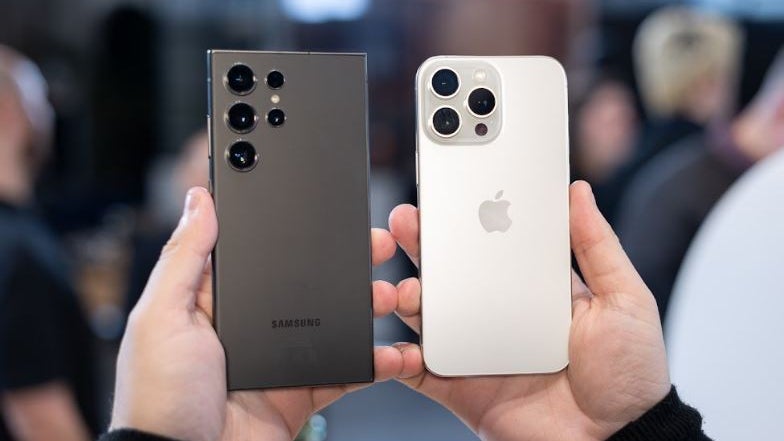
Only three of the world’s top five smartphone vendors posted shipment growth in 2025, with Apple emerging as the clear winner. Samsung fell short of its 3.3% growth target, Oppo recorded a 4% decline, and Motorola failed to make the global top-five ranking. The Asia-Pacific region was one of the strongest performers during the year.
According to new figures from Counterpoint Research, global smartphone shipments rose 2% year on year in 2025, marking the second consecutive year of growth. However, momentum slowed toward the end of the year, with the final quarter weaker than expected.
Apple dominated the fourth quarter, accounting for 25% of global shipments — its highest market share on record. Samsung followed with a 17% share, though both IDC and Omdia had already flagged a soft Q4 for the company.
“In Q4 2025, smartphone shipments closed the year on a modest note, growing by 1% YoY owing to inventory built up in previous quarters,” Counterpoint said.
Despite missing some expectations, the 2% annual uplift was welcomed by analysts after several years of stagnation driven by macroeconomic pressures and market saturation. Growth was largely fuelled by premium smartphones, which delivered strong profitability for both Apple and Samsung.
“In 2025, the smartphone market continued its gradual shift toward higher price tiers, driven by consumers upgrading to premium devices,” said Counterpoint Senior Analyst Shilpi Jain. “At the same time, demand for 5G handsets rose sharply across developing regions.”
Jain added that tariff concerns led manufacturers to front-load shipments in the first half of the year, but their impact faded in the second half as trade pressures proved less severe than expected.
Regional performance remained uneven. Strong demand in Japan, the Middle East and Africa, and parts of Asia-Pacific helped offset weakness in more mature markets, Jain noted.
Overall, analysts said most vendors can be satisfied with how 2025 played out. While Samsung lost its top spot to Apple, it still managed to grow its market share. Xiaomi’s shipments were flat, resulting in a slight share decline, but the company retained third place globally. Vivo recorded 3% shipment growth, while Oppo was the only top-five vendor to post a decline, although it held onto an 8% market share. Motorola’s sales were not reported due to its relatively small global footprint, particularly in Europe and the US.
Looking ahead, however, analysts are increasingly pessimistic about 2026. Major research firms now expect global smartphone shipments to contract, reversing much of the recovery seen in 2025.
Counterpoint forecasts shipments will fall by around 2.1% in 2026, citing rising component costs — particularly memory — and supply constraints. IDC is slightly more optimistic, predicting a 0.9% decline, largely due to higher memory prices and delayed product cycles, including shifts in Apple’s entry-level launch timing.
There is a silver lining: average selling prices are expected to rise as memory costs increase and consumers continue to gravitate toward premium models. This could help overall market value remain strong or even reach record levels, despite lower unit volumes.
The main headwinds for 2026 include higher DRAM and NAND pricing, which is squeezing margins, pushing up handset prices and dampening demand in the budget and mid-range segments. Supply constraints are also emerging as chipmakers prioritise AI data-centre components over consumer devices. In addition, changes to flagship product cycles could disrupt shipment timing.
Asia-Pacific is expected to remain a bright spot, with strong consumer demand and ongoing upgrade cycles, while the premium segment should prove resilient thanks to flagship launches and new form factors.
In Australia, Motorola is preparing to re-enter the premium segment after years of focusing on low-cost devices, using its Razr branding to reposition itself.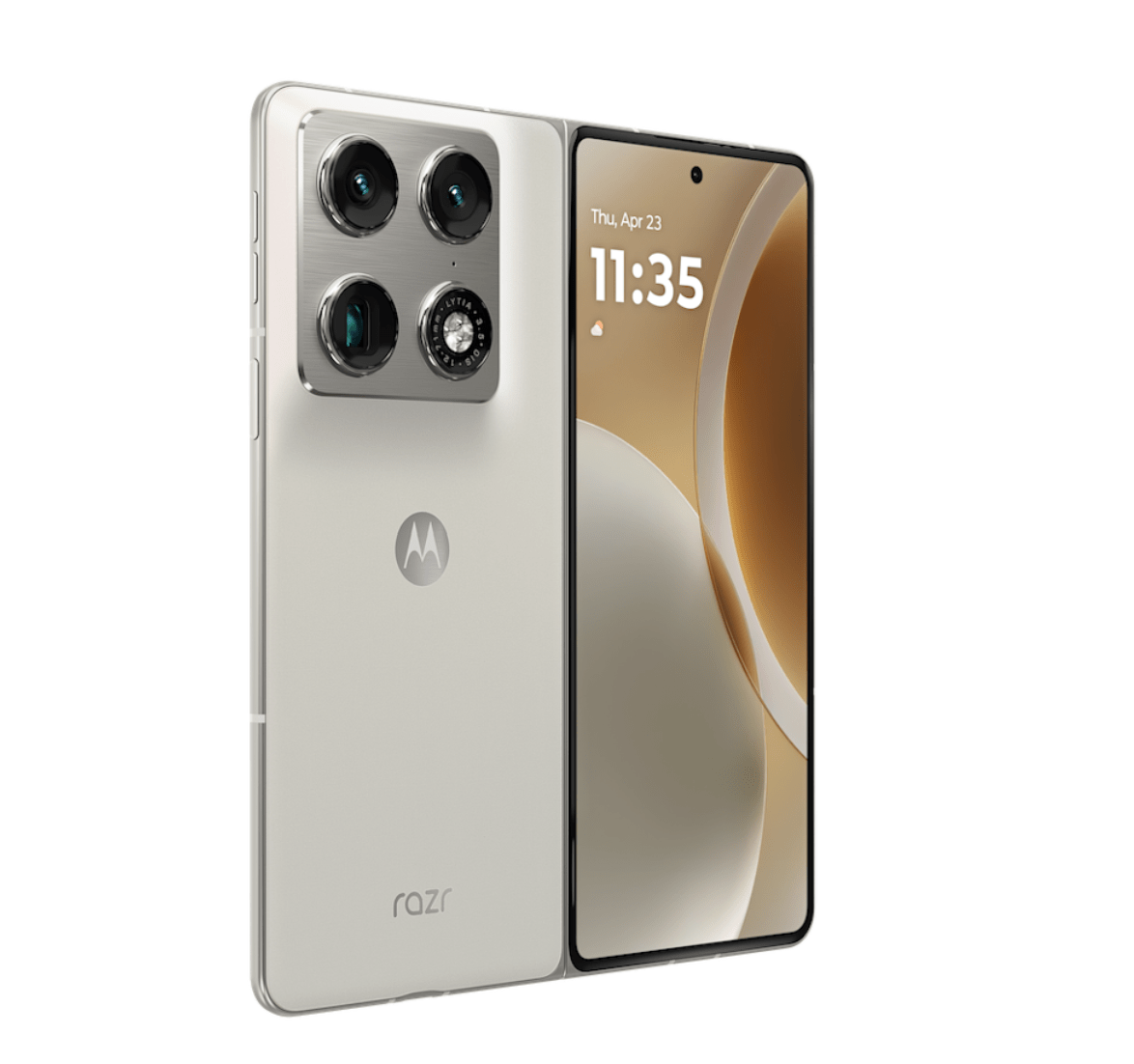
Overall, analysts expect smartphone shipments to decline by between 0.9% and 2.1% in 2026, even as higher prices and premium sales help sustain market value. In mid-December, Counterpoint trimmed 2.6% from its 2026 shipment forecast.
“The global smartphone market is set to soften in 2026 amid DRAM/NAND shortages and rising component costs, as chipmakers prioritise AI data centres over smartphones,” said Counterpoint Research Director Tarun Pathak.
“Price hikes in smartphones have already begun to surface,” he added. “While the supply crunch will weigh on shipments, Apple and Samsung are likely to remain resilient due to stronger supply chains and premium positioning, whereas Chinese OEMs focused on lower-price segments will face greater pressure.”
The outlook is clear: vendors that failed to deliver meaningful growth in 2025 are likely facing a challenging year ahead.